Queretaro
A place where history and colonial architecture reveal themselves with every walk.
This itinerary takes you through Mexico’s most iconic colonial cities, from Mexico City to Guanajuato, via Querétaro and San Miguel de Allende. Each of these cities—some of which are designated UNESCO World Heritage Sites—showcases Spain’s legacy in urban planning, architecture, and lifestyle.
The journey gently concludes on the Pacific coast, among fishing villages, sandy beaches, and a laid-back atmosphere.
🌟A team of experts dedicated to ensuring your stay goes smoothly before, during, and after, offering you the best recommendations to make your trip an unforgettable experience
Length of stay: 15 days
Theme: Adventure tours
Difficulty: For all public

This trip perfectly captures Mexico’s diversity. In Querétaro and Guanajuato, you’ll feel the soul of Mexico’s colonial cities. These UNESCO World Heritage sites aren’t stuck in the past, they’re alive, and that’s what makes them unique. Then comes Sayulita, a delightful contrast. After the cultural and architectural richness, it’s time for the sea, sunsets over the ocean, and the village’s bohemian vibe. This is exactly the contrast I wanted to offer: a pace that allows you to both satisfy your curiosity and take the time to savor the moment. For me, it’s one of the best ways to discover Mexico in a different light.
Adrien Contact us
A place where history and colonial architecture reveal themselves with every walk.
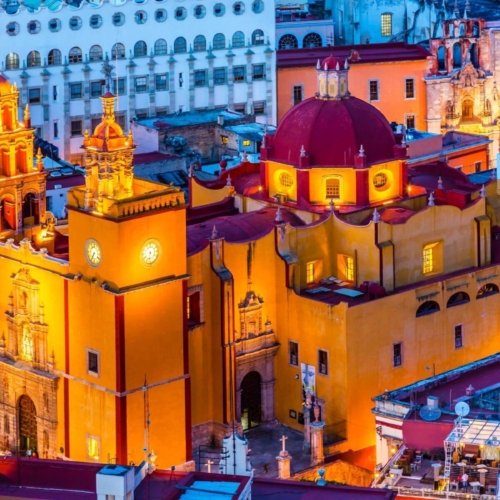
With its museums, popular traditions and lively evenings, it is one of Mexico’s most vibrant colonial cities.Golden beac
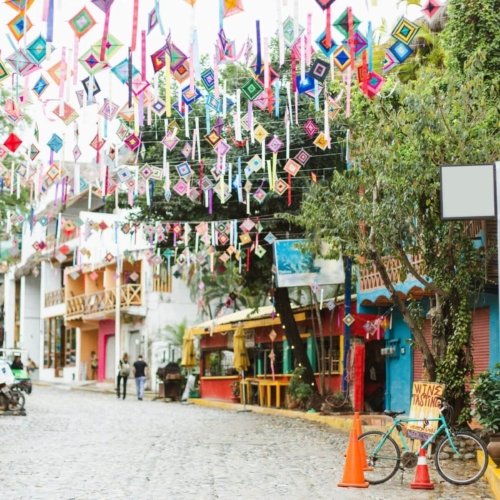
Golden beaches, bohemian cafés and local life come together in an easygoing setting to end the journey gently.
Mexico city
xochimilco mexico city
zocalo cdmx
teotihuacan piramide del sol
peña de bernal
san miguel de allende
guanajuato centro
guadalajara centro
Guadalajara centro
tequila jalisco
sayulita
Sayulita
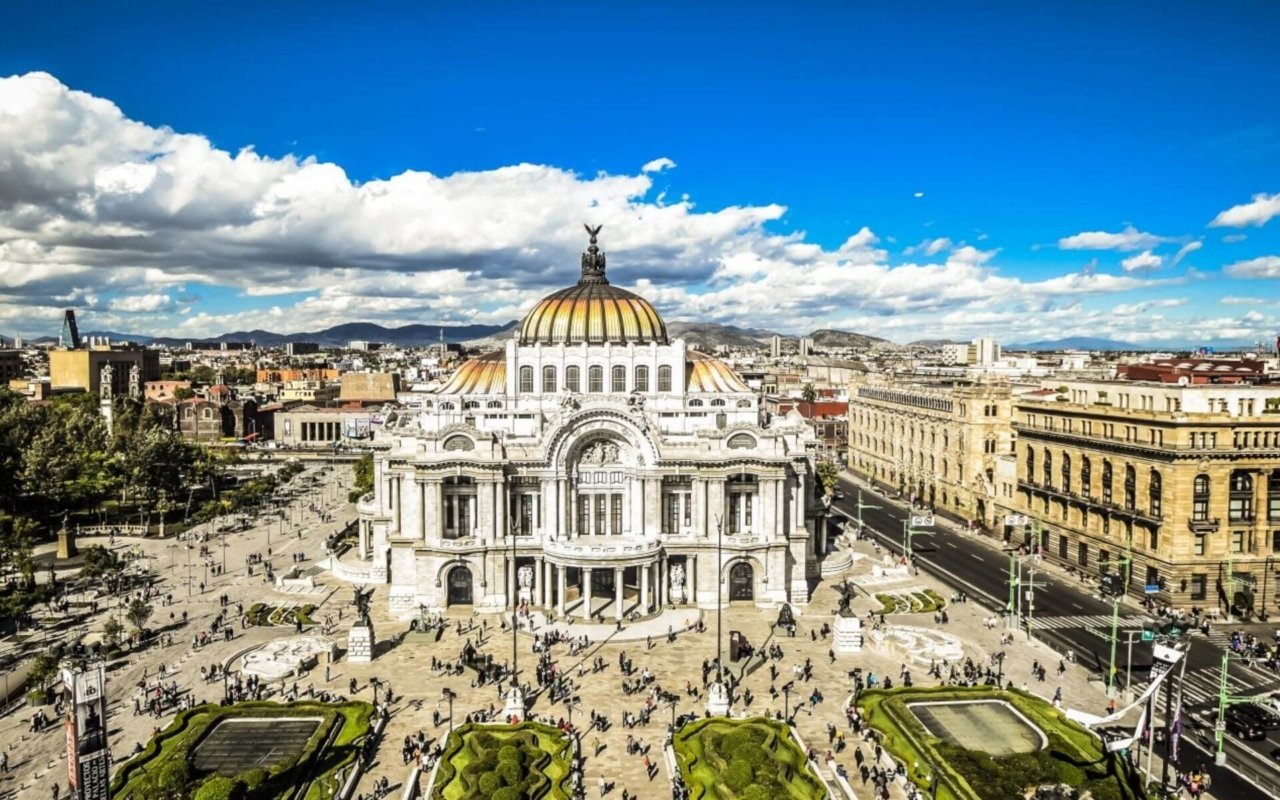
Welcome to Mexico City! Upon your arrival in Mexico City, you will be met at the airport and taken to your hotel in the heart of the city. Check in and enjoy some free time to rest up after your trip. Depending on your arrival time, you may already begin to feel the energy of this sprawling metropolis.
Overnight stay at a hotel in Mexico City
Coyoacán charms visitors with its paved streets and colorful houses. Home to many artists, it is where Frida Kahlo’s famous Blue House is located, which houses personal belongings, artwork, and glimpses into the daily life of this Mexican icon. Just a short walk away, Leon Trotsky’s house chronicles the Russian exile’s final days and his influence in 1940s Mexico. Finally, the Anahuacalli Museum, designed by Diego Rivera using black volcanic stone, features a remarkable collection of pre-Columbian art, a testament to his attachment to his Mexican roots.
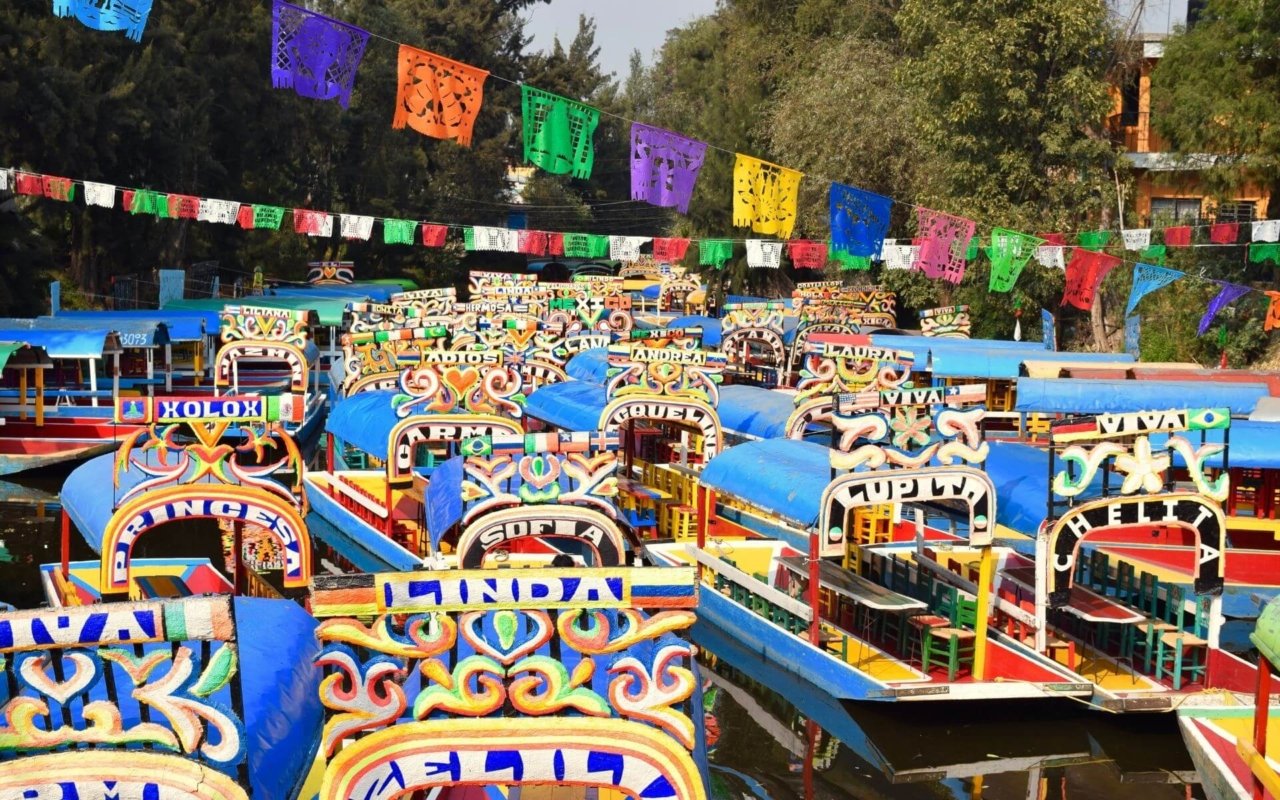
Late in the morning, you’ll head to Xochimilco, a UNESCO World Heritage Site. This neighborhood preserves the last remaining network of canals from the Aztec era, where you can still see the “chinampas,” ancient floating gardens used for agriculture. A ride in a traditional boat, accompanied by the sound of mariachis and surrounded by colorful boats, offers a glimpse into a more popular and festive side of Mexico City.
Overnight in a hotel in Mexico City
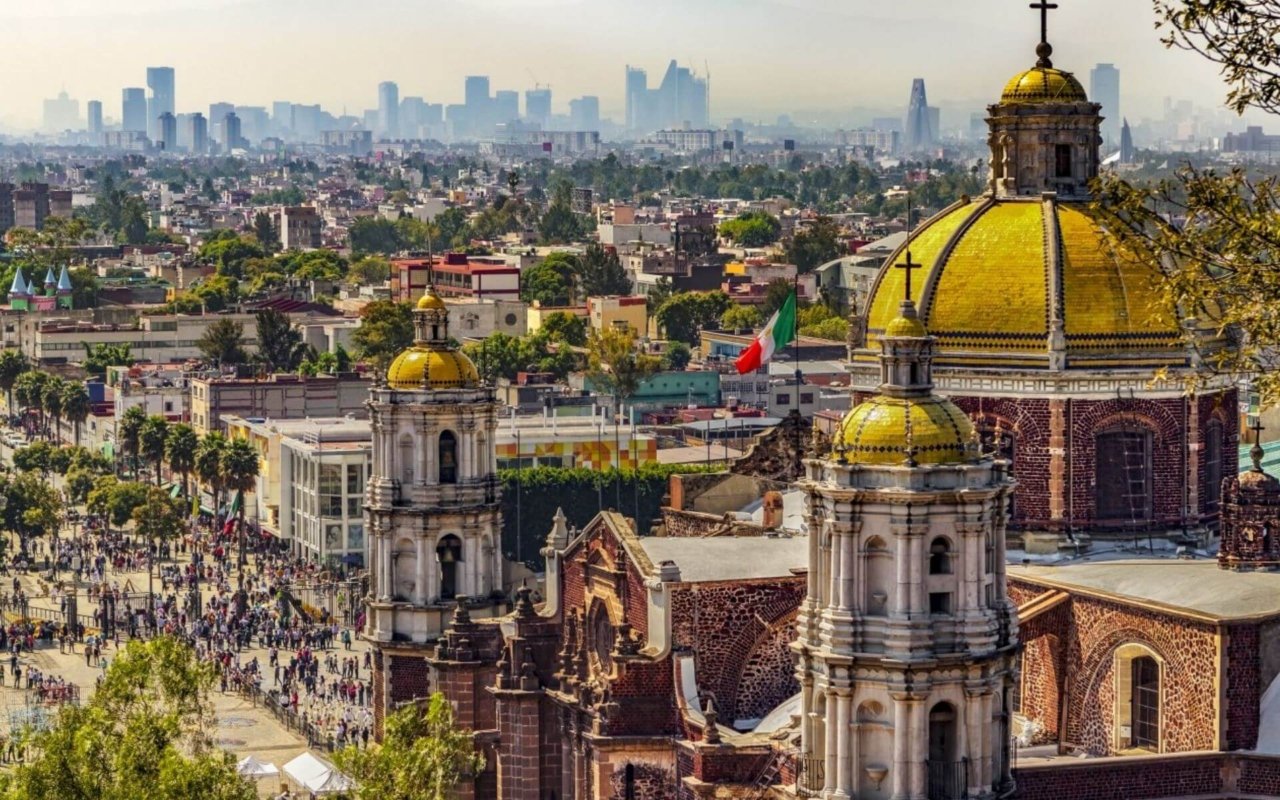
In the northern part of the capital lies the Basilica of Our Lady of Guadalupe, the most important religious shrine in Latin America. Built in the 17th century, it attracts millions of pilgrims every year. You’ll explore the old basilica, which today leans slightly due to unstable ground.
Return to downtown for a visit to the Zócalo, one of the largest squares in the world and the true historic heart of the city. Dominated by the Metropolitan Cathedral, the largest in the Americas, this square embodies the full might of Spanish colonial power. Its richly decorated chapels, such as the “Chapel of Forgiveness,” serve as a reminder of the central role the Church played in society at the time. Just a stone’s throw away, the National Palace stands on the former site of Moctezuma’s palace. Now the seat of government, it houses Diego Rivera’s famous murals, which trace Mexico’s history from pre-Hispanic times to the Revolution.
Overnight in a hotel in Mexico City
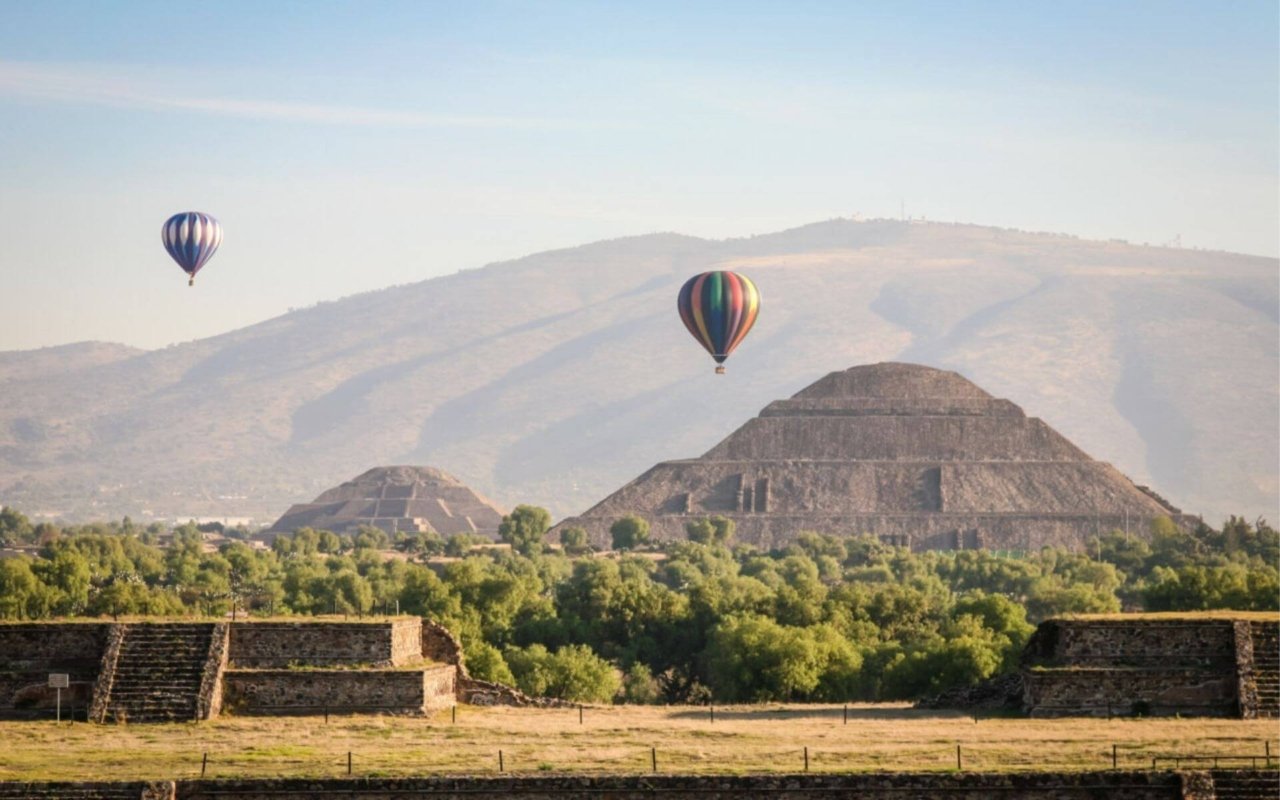
In the morning, drive to Teotihuacan, one of the country’s major archaeological sites. You’ll explore the Avenue of the Dead, dominated by the Pyramids of the Sun and the Moon, as well as the Temple of Quetzalcóatl, adorned with feathered serpents. This planned city, which had up to 200,000 inhabitants in the 7th century, was one of the most powerful urban centers in Mesoamerica. At the end of the day, you’ll arrive in Querétaro, the first stop on your journey through Mexico’s colonial cities.
A UNESCO World Heritage Site, the city charms visitors with the elegance of its urban layout and the richness of its religious buildings. Among the must-see sites, the Church of Santa Clara impresses with the contrast between its sober façade and its exuberant interior covered in gilding. The monumental aqueduct, a symbol of the city, bears witness to the expertise of 18th-century engineers and remains one of Querétaro’s most striking landmarks.
Overnight in a hotel in Querétaro
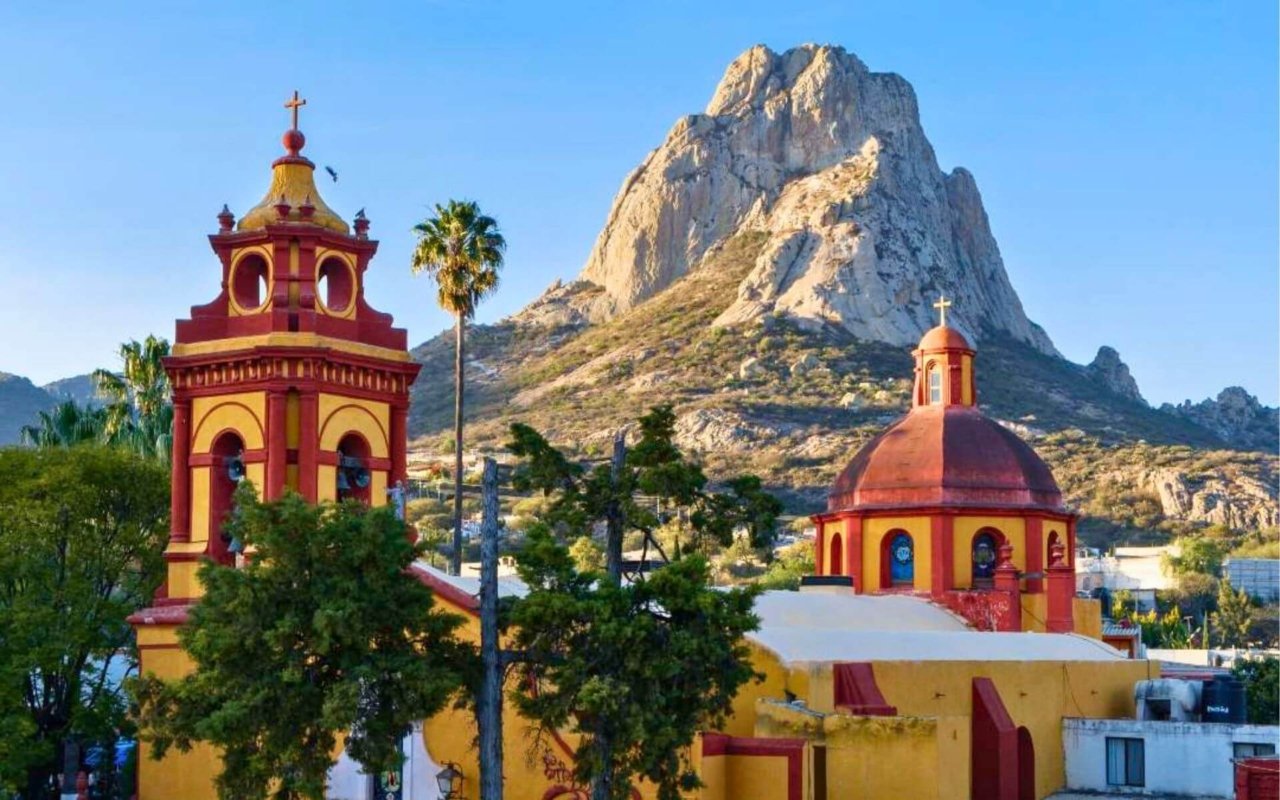
From Querétaro, head to Peña de Bernal, an impressive monolith nearly 300 meters tall, considered one of the largest in the world. This natural site, steeped in local beliefs and legends, overlooks a picturesque village with cobblestone streets. A walk allows you to appreciate both the rocky landscape and the town’s provincial atmosphere.
Continue to Tequisquiapan, a colorful little town renowned for its mineral baths, crafts, and peaceful atmosphere. The historic center, centered around Plaza Miguel Hidalgo, charms visitors with its shaded arcades, traditional shops, and the Santa María Church, which overlooks the square.
Overnight in a hotel in Querétaro
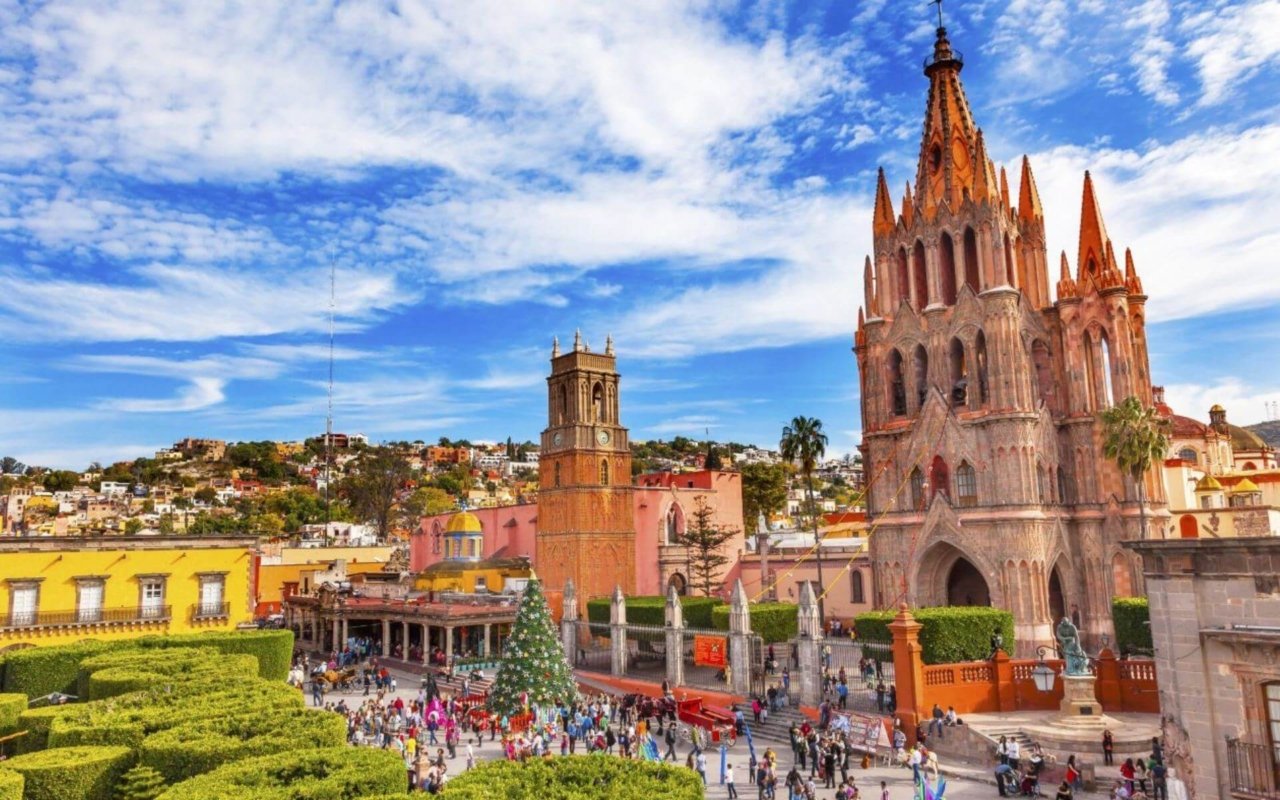
The morning can be spent taking another walk through the historic center of Querétaro. Drive to San Miguel de Allende, without any doubts one of Mexico’s most charming colonial towns. Listed as a UNESCO World Heritage Site, the town owes its fame to its well-preserved urban layout and vibrant artistic scene. The cobblestone streets, lined with pastel-colored facades, lead to the Parroquia of San Miguel Arcángel, a true symbol of the city with its stunning Neo-Gothic facade. In the center, the churches of Santo Domingo, San Francisco, and San Felipe Neri, as well as the Plaza of Allende, round out the exploration of an exceptional religious and civil heritage. The cosmopolitan atmosphere, fueled by the presence of artists and galleries, gives San Miguel a unique character that blends historical heritage with contemporary life.
Overnight stay in a hotel in San Miguel de Allende
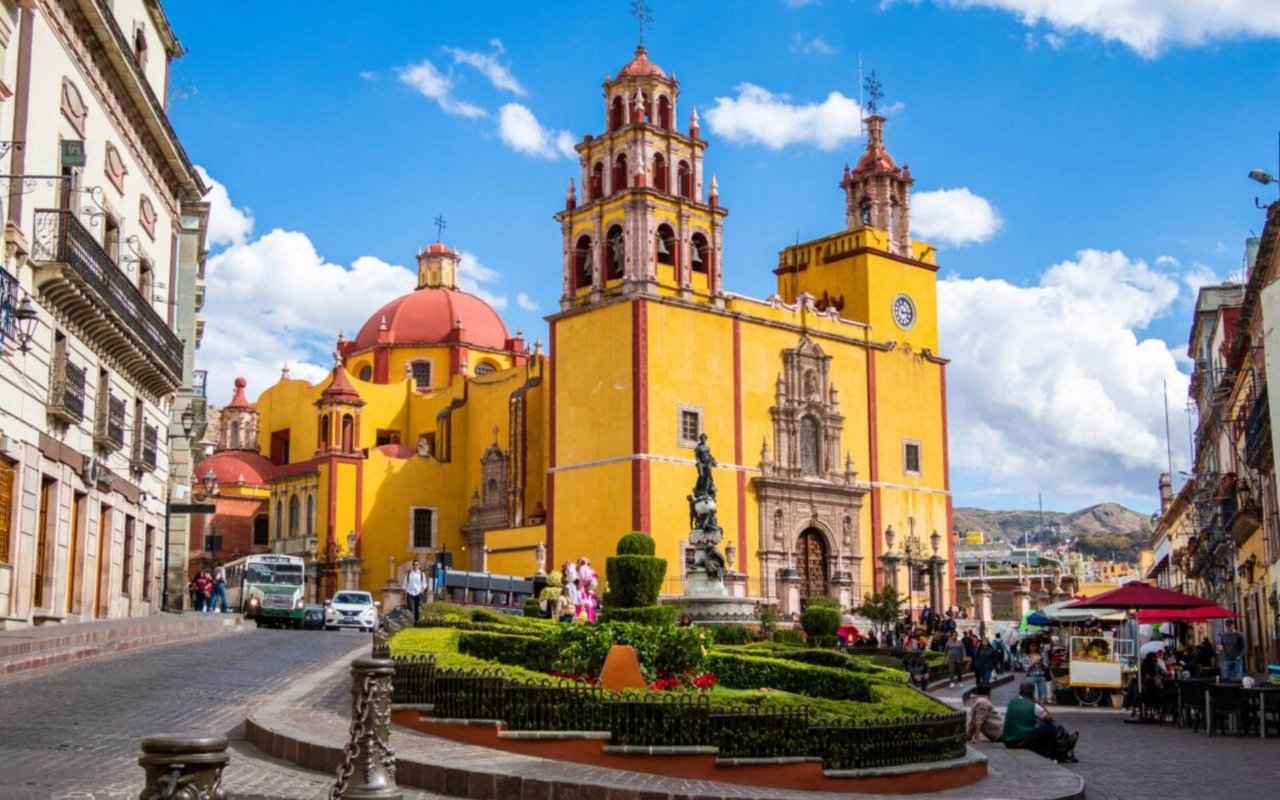
When leaving San Miguel de Allende, we stop in Dolores Hidalgo, a small, peaceful yet highly symbolic town. It was here, on September 16, 1810, that Father Miguel Hidalgo issued the famous Grito de Dolores, a cry that marked the beginning of Mexico’s independence. Even today, the central square and the church retain this historical significance. The town is also renowned for its artisanal pottery and its ice cream in unique flavors, a local tradition much appreciated by travelers.
The panoramic route then leads to Guanajuato, another major stop among Mexico’s colonial cities and a UNESCO World Heritage Site. Built in a valley, the city charms visitors with its narrow streets and its heritage related to silver mining. Among the iconic sites: the monument to El Pípila, which offers a breathtaking view of the city; the Olla Dam; and the richly decorated San Cayetano Church. The former Museum of the Inquisition and the many lively squares serve as a reminder of how Guanajuato seamlessly blends history with everyday life. In the evening, you can join a callejoneada, a musical stroll through the narrow streets led by student troubadours—a festive tradition that is an integral part of the city’s identity.
Overnight stay in a hotel in Guanajuato
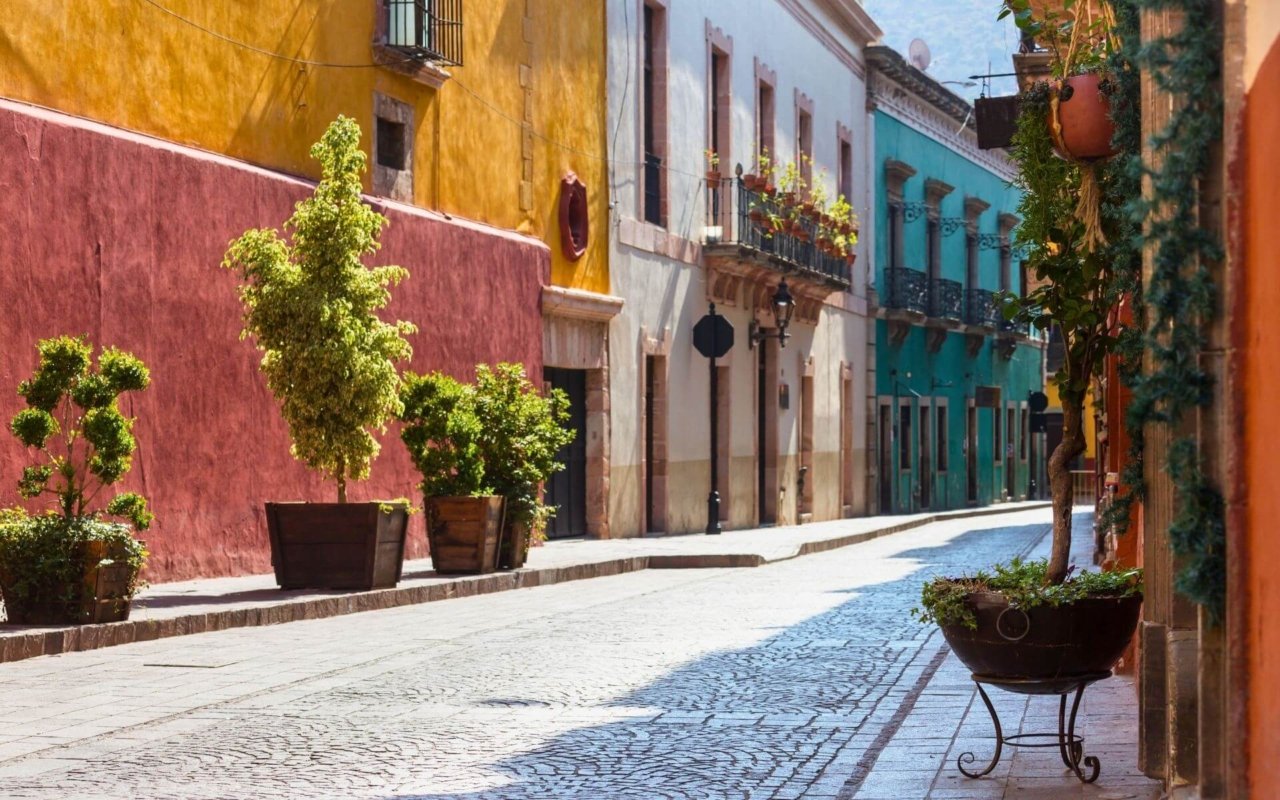
Guanajuato is one of Mexico’s most fascinating colonial cities. Once the capital of the silver mining industry, it owes its prosperity to the rich deposits that have been mined since the 16th century. Today, its historic center retains a unique charm with its winding alleys and lively squares. You can drive along the scenic route overlooking the city and climb up to the El Pípila monument for a spectacular panoramic view.
A tour of the El Nopal mine, with a helmet and a specialized guide, helps to understand the importance of mining in the region’s history. Urban atmosphere and local traditions. As you stroll through the center, you’ll discover the Callejón del Beso, a narrow alley associated with a romantic legend, as well as several iconic buildings such as the Juárez Theater and the University of Guanajuato.
Overnight stay in a hotel in Guanajuato
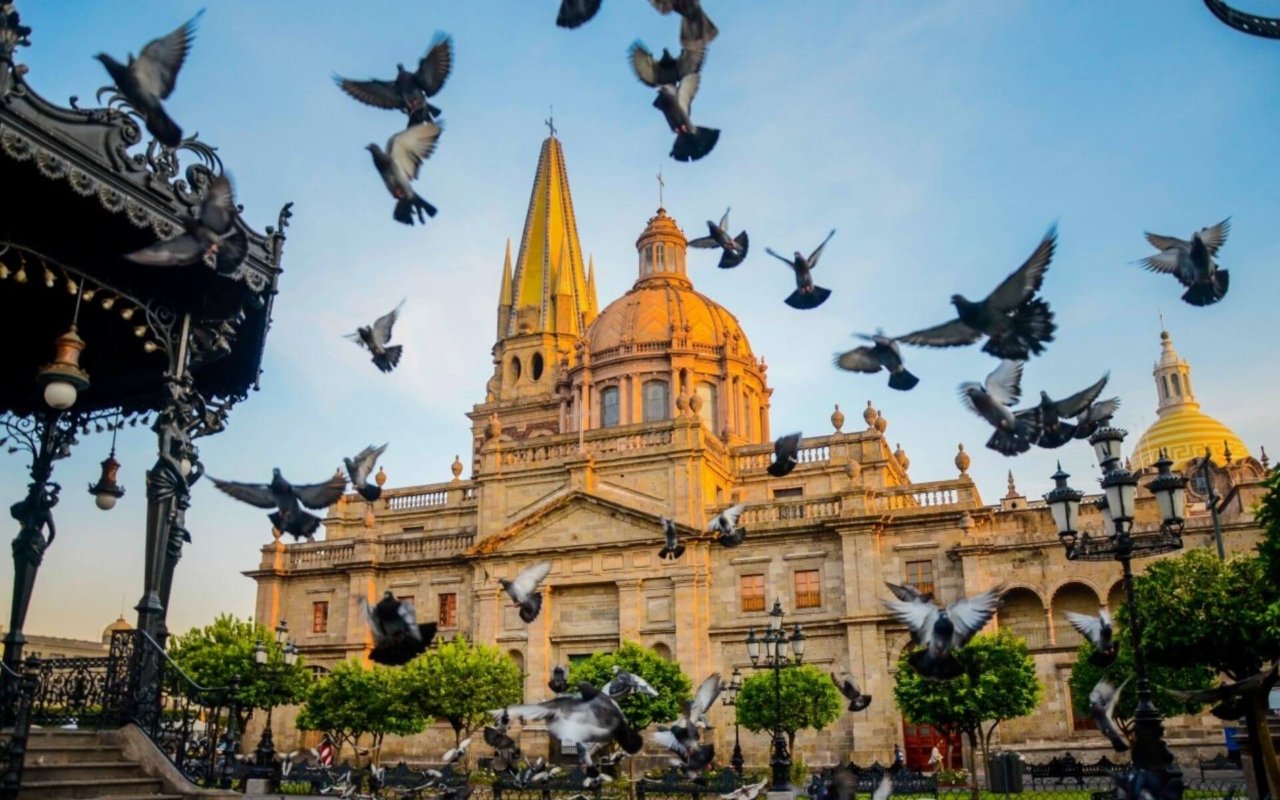
After breakfast, we’ll head to Guadalajara, the capital of the state of Jalisco and the country’s second-largest city. Along the way, the landscape opens up to the highlands, announcing a region renowned for its musical and artisanal traditions. Tlaquepaque and Tonalá, hubs of artisanal craftsmanship. Before entering the city, stop in the artisanal districts of Tlaquepaque and Tonalá, famous for the quality of their workshops. Here, traditional skills are transmitted from generation to generation: blown glass, ceramics, wood and leather furniture, embroidery, paper mache, and silk shawls. Arrival in Guadalajara.
Check-in and free time for a first taste of this major city, which blends modernity with colonial heritage. The atmosphere contrasts with the small colonial towns in Mexico visited earlier, yet retains a strong cultural identity, where mariachis and tequila are ever-present.
Overnight stay in a hotel in Guadalajara
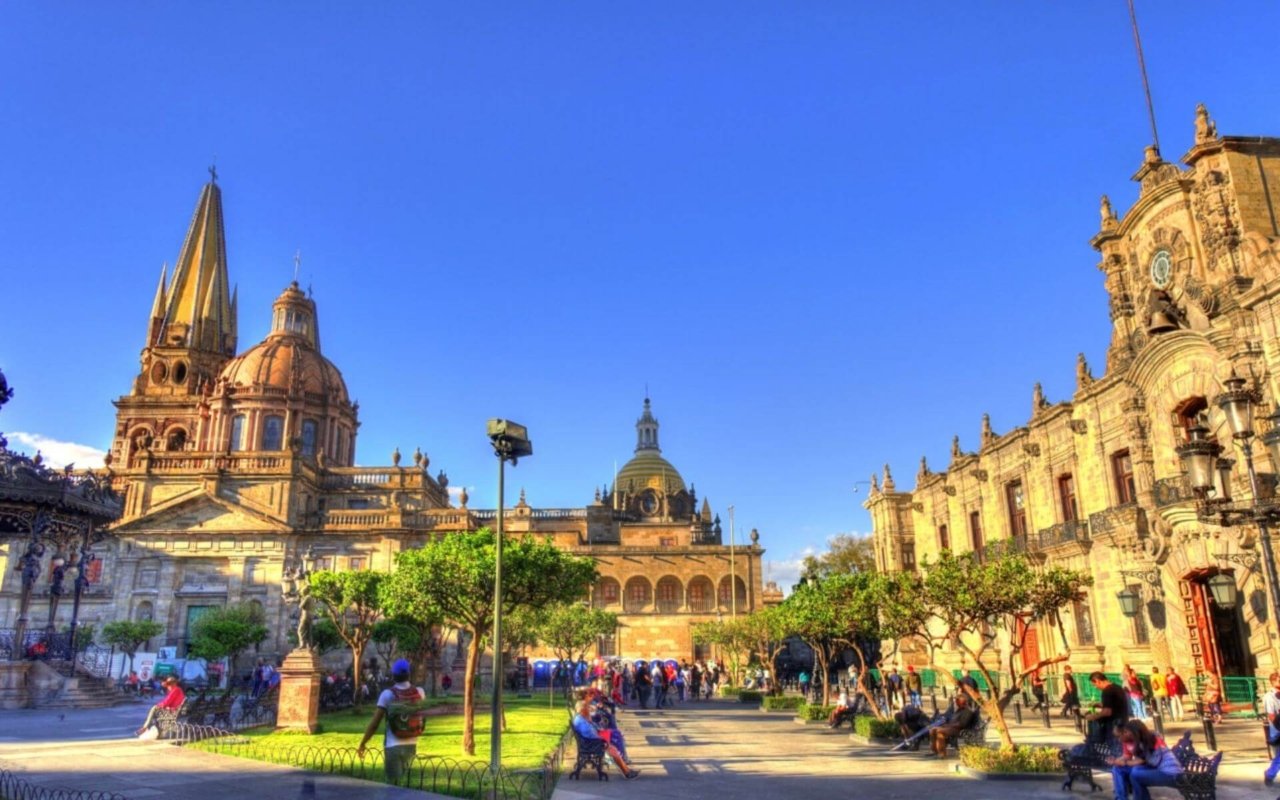
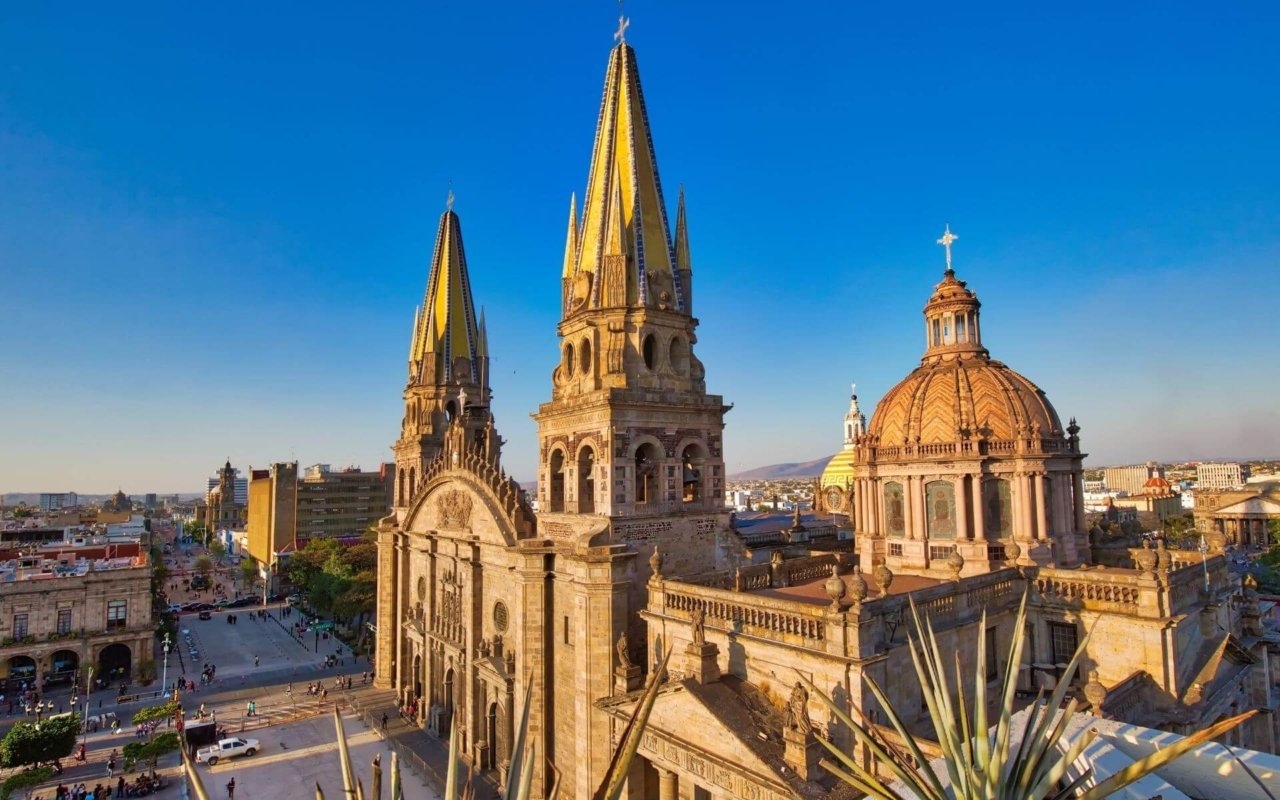
In the morning, departure for a self-guided tour of the historic center of Guadalajara, the country’s second-largest city. The Metropolitan Cathedral, built in 1616, overlooks the Plaza de los Laureles. Nearby, the Plaza de Armas evokes the colonial era with its classical layout and wrought-iron bandstand. Frescoes and Colonial Architecture. Among the notables buildings, the Palacio de Gobierno houses monumental frescoes by José Clemente Orozco, including a striking portrait of Miguel Hidalgo, a figure of the independence movement.
The tour offers a deeper understanding of Guadalajara’s historical role while allowing visitors to admire its colonial architecture. Urban life and modernity. Unlike smaller cities such as San Miguel or Guanajuato, Guadalajara combines colonial heritage with the dynamism of a modern metropolis.
Overnight stay in a hotel in Guadalajara
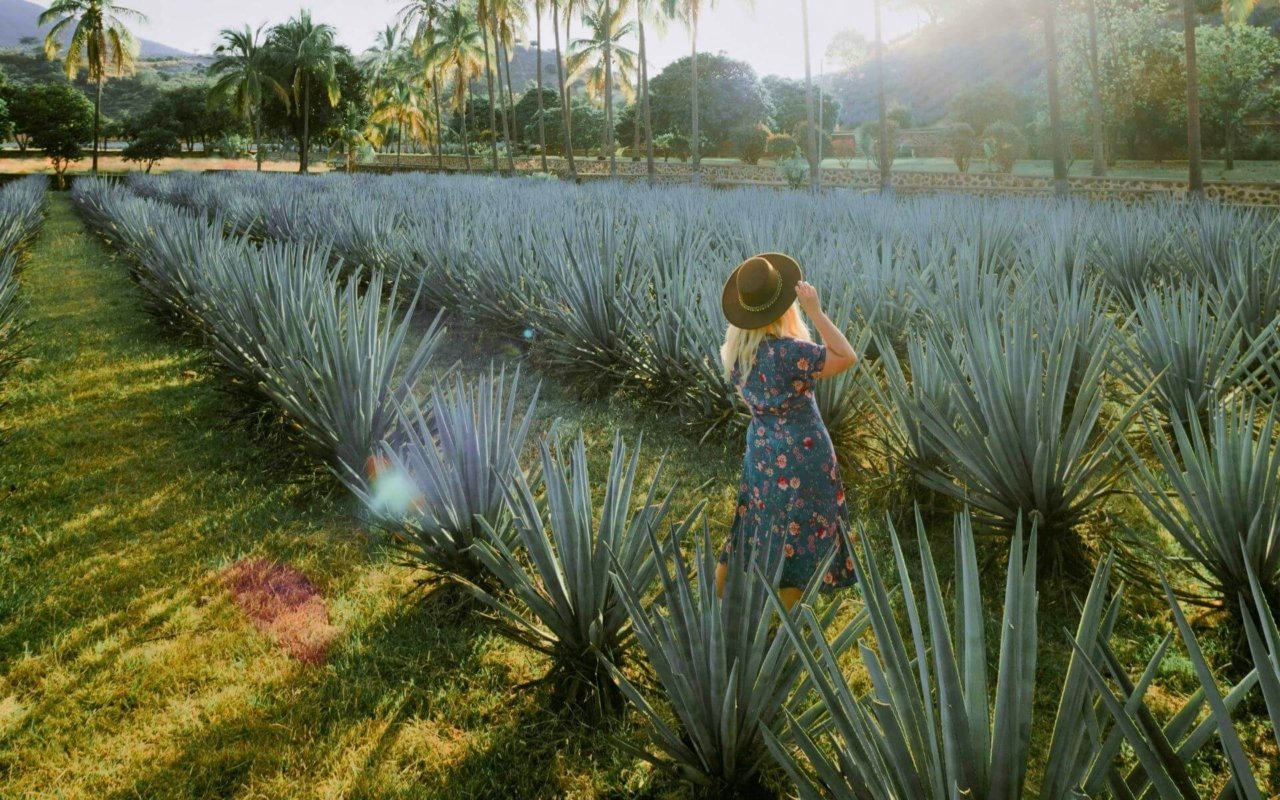
This morning, you’ll leave Guadalajara and head to the village of Tequila. Along the way, the landscapes are filled with fields of blue agave, the raw material for Mexico’s iconic drink. Tour of the village and its traditions. In the center of Tequila, the colorful alleyways and main square reflect the friendly atmosphere of a “pueblo mágico.” You can visit the Casa Sauza Museum, dedicated to local history, or stroll among the craft shops. The must-see highlight is a visit to a traditional distillery. The most renowned is José Cuervo, a house founded in 1758 and still in operation today. The tour of the production process—from cooking the agave hearts to distillation—concludes with a tasting in the cellars of this historic distillery.
Overnight stay in a hotel in Guadalajara
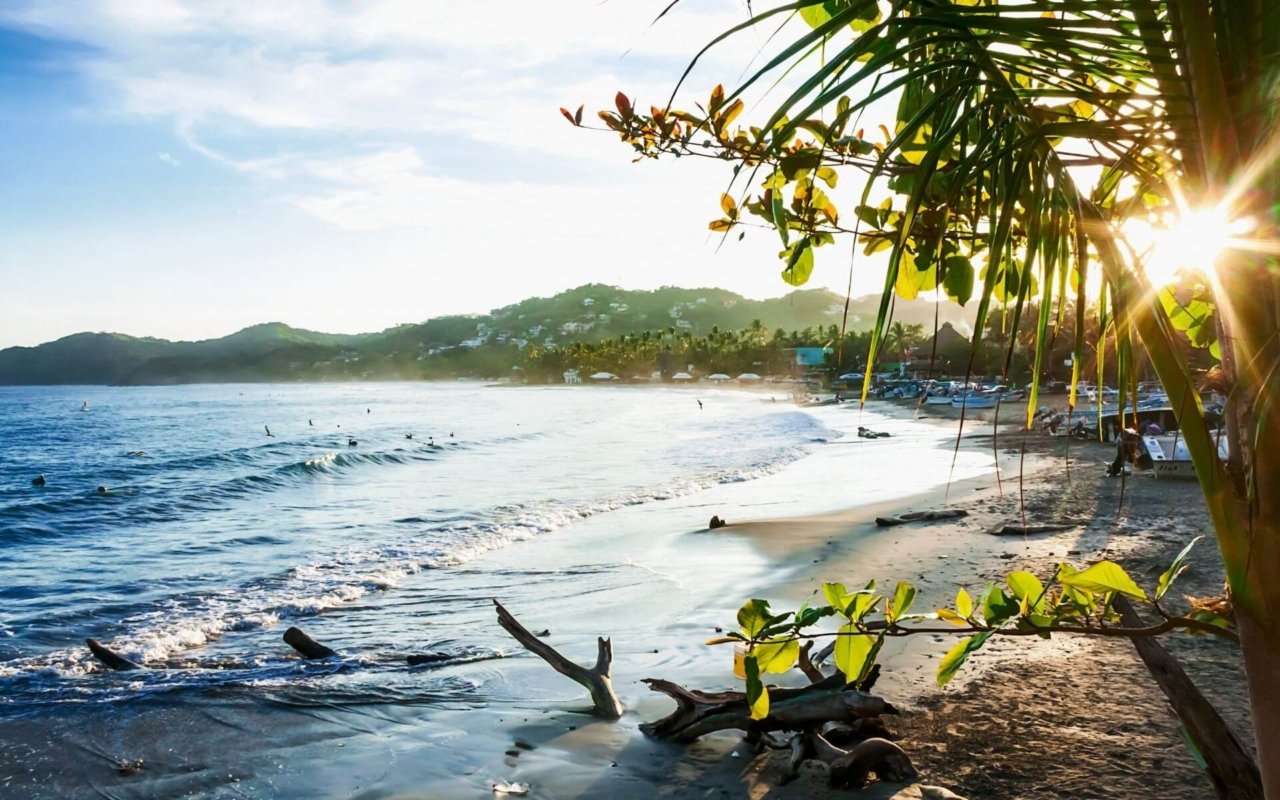
Enjoy your last morning in Tequila. Walk through the village or visit a distillery (optional). The local market is also a great place to discover regional products.
This is your chance to pick up a few souvenirs related to agave culture. In the afternoon, you’ll head toward the Pacific coast. After the highlands of Jalisco, the landscape changes. The valleys become greener. Little by little, the tropical scenery signals the ocean’s approach. You’ll arrive in Sayulita, a small fishing village that has become a haven for surfers and travelers seeking authenticity.
Unlike its busier neighbor, Puerto Vallarta, Sayulita retains a laid-back atmosphere and simple charm. This is where the beach getaway portion of your itinerary begins.
Overnight stay at a hotel in Sayulita
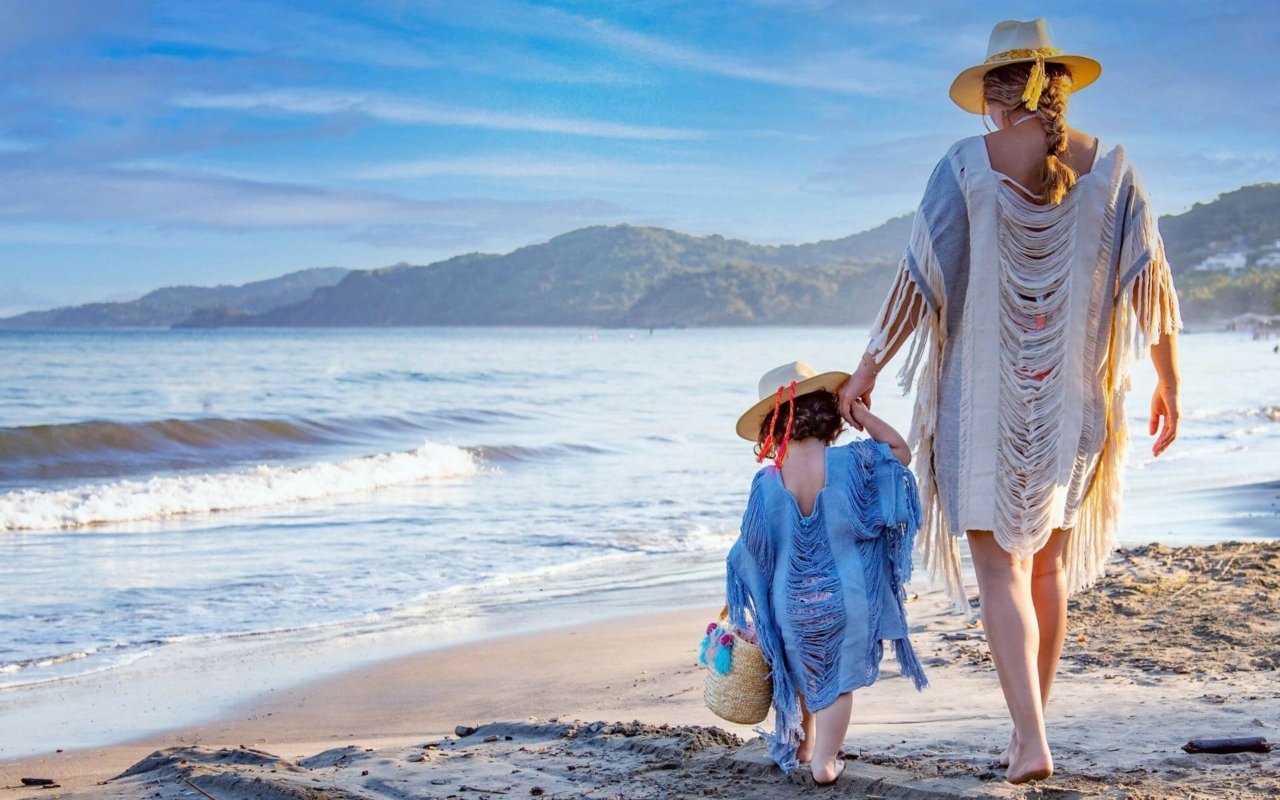
A free day to enjoy Sayulita. Its main beach is perfect for beginners learning to surf. You can also just go for a swim there with a friendly atmosphere. The town center is easy to explore by foot. The colorful streets are lined with artisanal shops. You’ll also find bohemian cafés and small restaurants serving local and international cuisine. Far from the large tourist resorts, the atmosphere remains authentic and laid-back, reflecting the spirit of the Mexican Pacific.
Overnight stay at a hotel in Sayulita
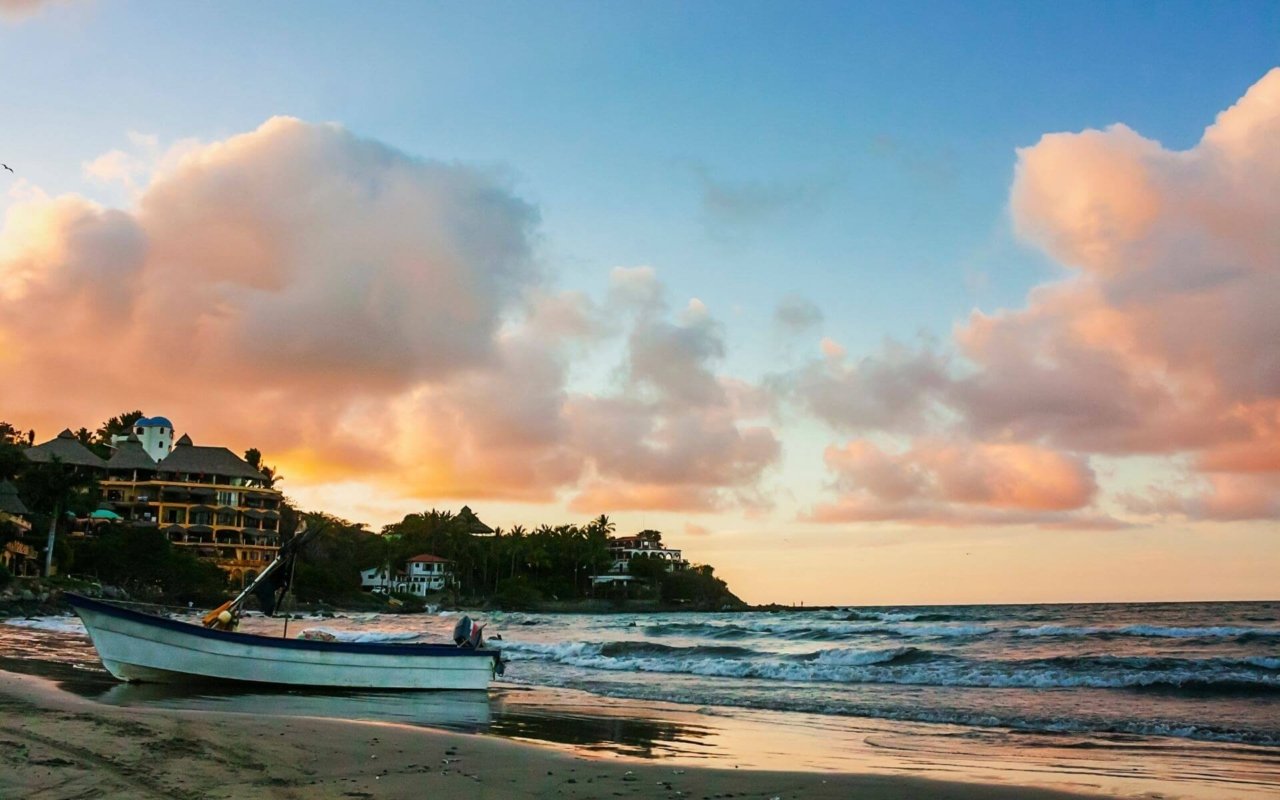
This day is entirely free. You can continue exploring Sayulita at your own pace. The main beach is lively and perfect for observing local life. You can also explore more secluded coves, accessible via coastal trails or by boat. This is your chance to sample a variety of cuisines, ranging from fresh fish tacos to more refined dining options. Some of these restaurants draw inspiration from the international influence of Sayulita’s diverse community.
Overnight stay at a hotel in Sayulita
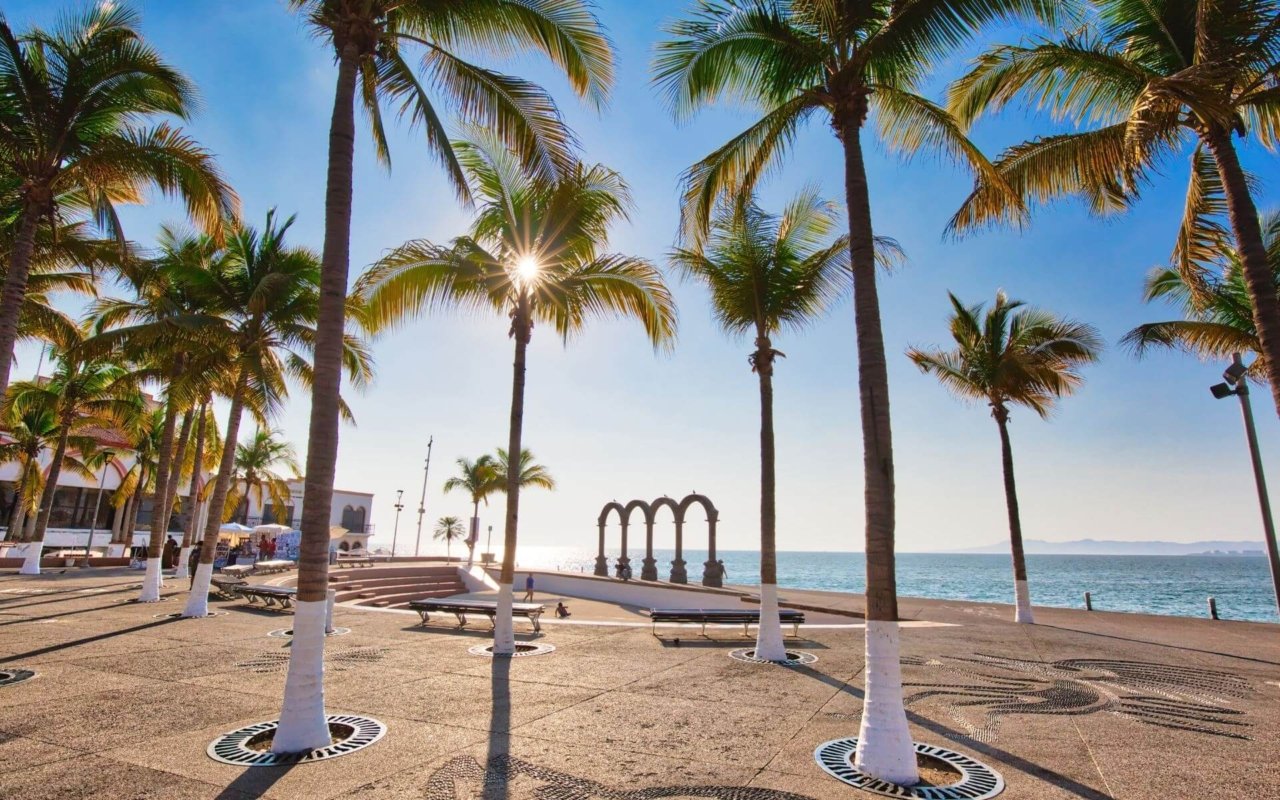
Final moments by the Pacific before heading to Puerto Vallarta. Return your rental car at the airport counter, then check your luggage for your international flight.
Local expertise

Tailored made tours
Security and trust
Authentic experiences
No intermediaries
Responsible travel