Contents
- Planning your trip to Mexico
- Mexico travel budget and costs
- Itineraries and types of trips
- Best season and climate in Mexico
- Safety, entry requirements, health and practical information
- Transport, guides and local support
- Accommodation and comfort
- Experiences and activities
- Booking, payment and conditions
- Terra Maya and local support
Published on: April 2024. Updated on: June 3, 2026
Planning your trip to Mexico
Where to go in Mexico ?
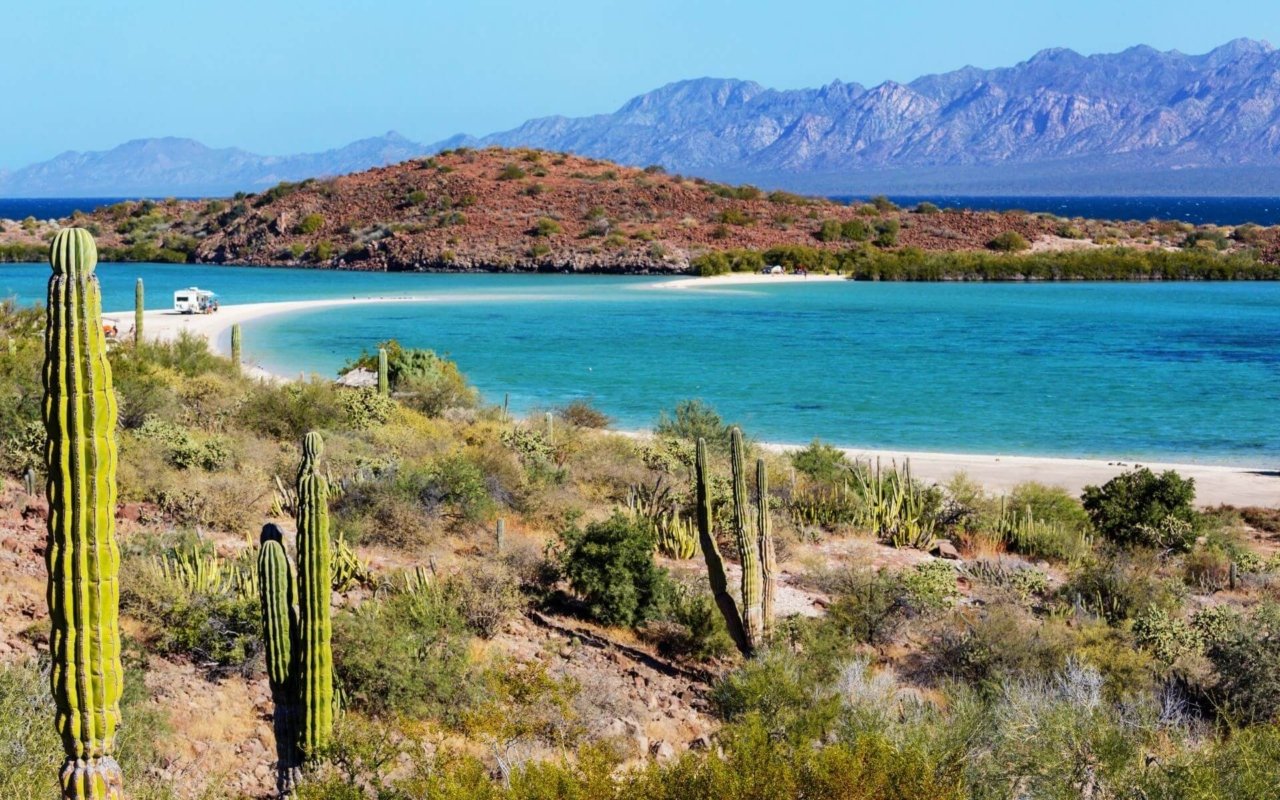
In Mexico, we recommend choosing a region based on the kind of experience you’re looking for. The Yucatán is ideal for combining Mayan sites, cenotes, haciendas, and beaches. Mexico City, Oaxaca, and Chiapas are better suited for a cultural trip. Baja California Sur is ideal for travelers drawn to wide-open spaces, the Sea of Cortez, and whale watching during migration season
The best destination depends mainly on the season, your desired pace, and the type of trip. Mexico offers remarkable geographical, gastronomic, and cultural diversity, with numerous sites listed as UNESCO World Heritage Sites.
How many days should you plan for a trip to Mexico?
For a trip to Mexico, we generally recommend allowing 10 to 15 days if you want to explore a region at a leisurely pace. This timeframe allows you to enjoy sightseeing, travel, and some downtime without overloading your itinerary.
To combine several regions, such as Mexico City, Oaxaca, Chiapas, and Yucatán, you should plan for 18 to 21 days. Mexico is a large country, and some trips require domestic flights or long hours on the road.
A 7- to 10-day trip is still possible, but it should focus on a only one area
Is Mexico a good destination for a trip as a couple or a family?
Yes, Mexico is ideal for both couples and families, as it offers a variety of experiences and can adapt to a wide range of preferences.
For a couples’ trip, we favor more intimate experiences: haciendas in Yucatán, boutique hotels in Oaxaca, private tours of archaeological sites, elegant dinners, cruising the Sea of Cortez, or whale watching in Baja California Sur depending on the season. The country is also ideal for a honeymoon, combining exploration, nature, and relaxation
For a family trip to Mexico, the key is to maintain a relaxed pace. Cenotes, Mayan sites, markets, boat trips, wildlife watching, or craft workshops work very well with children or teenagers, in condition you plan reasonable travel times and suitable accommodations.
Is it possible to plan a trip to Mexico on a specific budget ?
Yes, we can tailor an itinerary to a specific budget, provided that we establish from the outset the desired level of comfort, the regions to visit, and the priority experiences.
We work with a selection of service providers who have been verified on the ground, which allows us to offer a variety of options for accommodations, transportation, and activities, while maintaining a high standard of quality.
Our goal is not to create the cheapest possible trip, but to find the right balance between budget, comfort, pace, and the appeal of the itinerary.
To receive a proposal tailored to your budget, you can request a personalized quote:
https://travels-mexico.com/contact
What expenses should you expect to incur while there ?
While there, we recommend setting aside a budget for meals not included in the tour, beverages, personal expenses, certain entrance fees not listed in the itinerary, occasional taxi fares, purchases of handicrafts, and tips.
In Mexico, tipping, known as propina, is customary in restaurants, as well as for drivers, guides, porters, and certain hotel services. It is not always mandatory, but it is expected when the service is good. In restaurants, it is usual to leave about 10 to 15% of the bill.
Mexico travel budget and costs
What’s the budget for Mexico ?
For a two-week trip to Mexico, you should budget approximately €1,500 to €2,100 per person for a comfortable stay, excluding international flights. For a luxury trip featuring charming accommodations, private services, and more exclusive experiences, the budget typically ranges from €4,200 to €5,600 per person.
We adjust the price based on the season, the regions chosen, the level of accommodation, the type of transportation, the guides, and the planned activities. A self-drive tour with comfortable hotels does not require the same budget as a tour with a private driver, English-speaking guides, and high-end accommodations.
To learn more, check out our comprehensive guide to budgeting for a trip to Mexico.
What is included in the price of the trip ?
We always detail the services included in the approved proposal: accommodations, breakfasts (depending on the hotel), private transportation or car rentals, guides, site admission fees, pre-booked activities, any domestic flights, and specific services requested.
International flights are not included. Meals not specified, beverages, personal expenses, tips, insurance, and certain local taxes may be payable on site. Each quote clearly specifies what is included and what is not.
Is it possible to plan a trip to Mexico on a specific budget ?
Yes, we can tailor an itinerary to a specific budget, provided that we establish from the outset the desired level of comfort, the regions to visit, and the priority experiences.
We work with a selection of service providers who have been verified on the ground, which allows us to offer a variety of options for accommodations, transportation, and activities, while maintaining a high standard of quality.
Our goal is not to create the cheapest possible trip, but to find the right balance between budget, comfort, pace, and the appeal of the itinerary.
To receive a proposal tailored to your budget, you can request a personalized quote.
What expenses should you expect to incur while there ?
While there, we recommend setting aside a budget for meals not included in the tour, beverages, personal expenses, certain entrance fees not listed in the itinerary, occasional taxi fares, purchases of handicrafts, and tips.
In Mexico, tipping, known as propina, is customary in restaurants, as well as for drivers, guides, porters, and certain hotel services. It is not always mandatory, but it is expected when the service is good. In restaurants, it is usual to leave about 10 to 15% of the bill.
Itineraries and types of trips
Where to go in Mexico for the first time ?
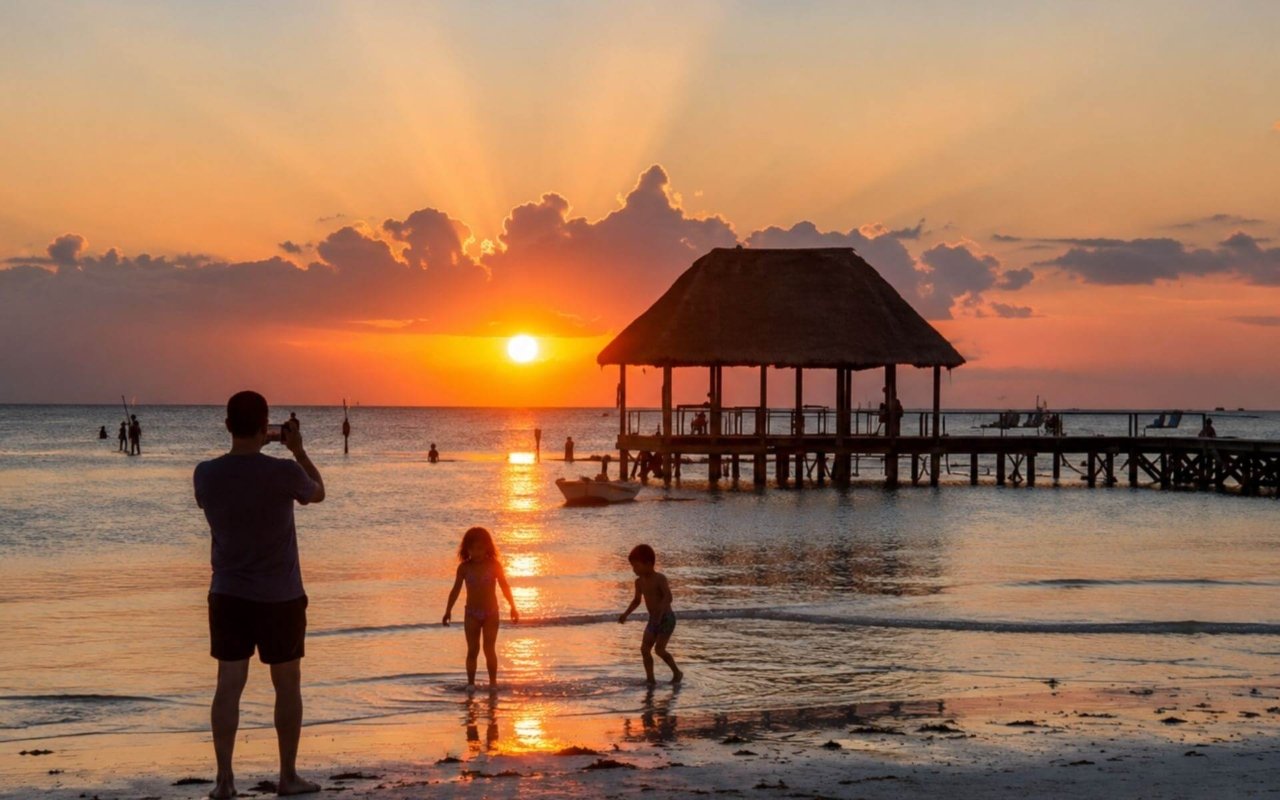
For a first trip to Mexico, we often recommend two main options. The most seamless is a 10- to 14-day tour of the Yucatán Peninsula, starting and ending in Cancún: Valladolid and Chichén Itzá, Mérida, Uxmal or the haciendas, Campeche, Calakmul, Bacalar, and then Holbox or the Caribbean coast, depending on the season.
This itinerary allows you to explore the major Mayan sites, cenotes, historic cities, nature reserves, and enjoy a few days of rest, with travel arrangements that are easier to organize than in other parts of the country.
For a more culturally immersive trip, we can also design an itinerary covering Mexico City, Oaxaca, Chiapas, and the Yucatán. This tour typically takes 16 to 21 days, sometimes involving domestic flights, but it allows you to experience Mexico through its cuisine, crafts, markets, archaeological sites, villages, and tropical landscapes.
Where to go in Mexico to explore archeological sites
To explore Mexico’s archaeological sites, we recommend focusing on the southern and southeastern parts of the country, where many major Mayan cities are concentrated. The most interesting regions are Yucatán, Campeche, Chiapas, and southern Quintana Roo.
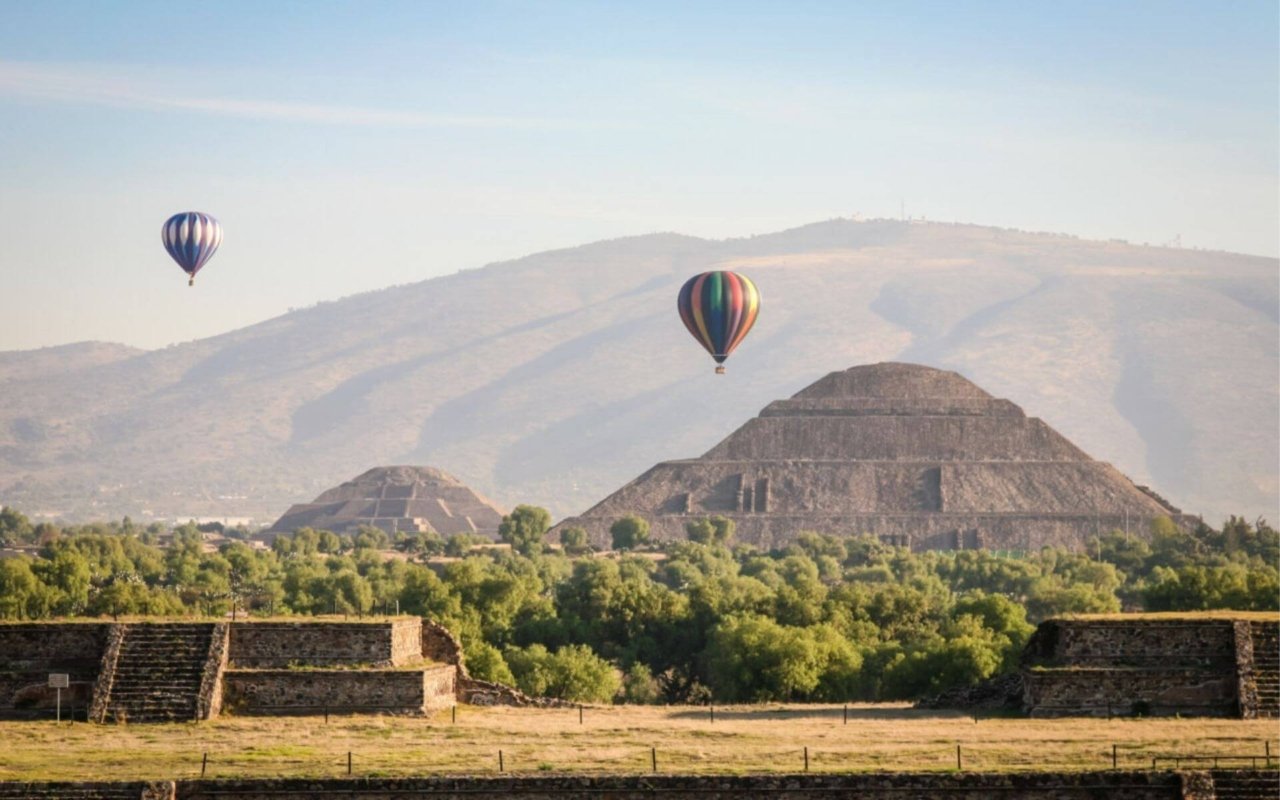
On the Yucatán Peninsula and its surroundings, the major sites are Chichén Itzá, Uxmal, Ek Balam, Cobá, Tulum, Edzná, Calakmul, and Ichkabal, near Bacalar. We can also include Palenque in Chiapas, Teotihuacán near Mexico City, or Monte Albán in Oaxaca, which allow you to expand your exploration beyond the Mayan world.
We recommend visiting these sites with a private guide to better understand the history, architecture, symbols, and connections between the various civilizations of ancient Mexico.
To see where Mexico’s main archaeological sites are located, check out our map:
Is it possible to do a roadtrip in Mexico ?
Yes, it is possible to take a road trip in Mexico, especially if the itinerary is planned in advance. We make sure to choose regions that are suitable for driving, set realistic daily distances, and avoid long, unplanned drives.
In our approach, this option is more like a self-drive tour: you drive yourself, but we arrange the accommodations, the main stops, the itinerary, and local assistance before departure.
What is the difference between a self-drive tour and a tour with a private driver?
A self-drive tour is a flexible option: you drive a rental car yourself, with a pre-planned itinerary, pre-booked accommodations, a detailed itinerary, and local assistance if needed. We recommend this for independent travelers who are comfortable driving abroad.
A tour with private transportation includes a vehicle reserved exclusively for you, driven by a local driver. You don’t have to worry about the road, the routes, parking, or unexpected driving challenges.
A self-drive tour offers more freedom. Private transportation offers more comfort and peace of mind, especially for a luxury trip, a long itinerary, a family, or travelers who prefer to focus entirely on sightseeing.
Best season and climate in Mexico
When is the best time to visit Mexico ?
You can visit Mexico year-round. The best time to go depends mainly on the regions you choose and the type of experience you’re looking for.
From November through April, the climate is generally drier and more comfortable for cultural tours, archaeological sites, colonial cities, the Yucatán, Oaxaca, Chiapas, or Baja California. This is also the peak tourist season in many regions.
From May to October, traveling to Mexico is still perfectly possible if your itinerary is well-planned. This period, which is more humid in many regions, offers the chance to experience more lush nature, more powerful waterfalls, sometimes less crowded sites, and certain seasonal experiences, such as watching whale sharks around Holbox or the preparations for Día de los Muertos in late October.
Travel to Mexico between may and october : is it a good idea ?
Yes, it is entirely possible to travel to Mexico between May and October. You simply need to adjust your itinerary to account for the heat, possible rain, and the regions you choose to visit.
This time of year is well-suited for travelers who are comfortable with a more tropical climate and are looking for a different atmosphere: denser vegetation, more intense light, sometimes fewer crowds, and seasonal experiences. Rain showers are often brief, occurring in the late afternoon or at night, though this can vary by region.
For a comfortable trip, the best is to plan early morning visits, take breaks during the hottest hours of the day, and have backup plans in case of changing weather.
When is the best time to travel to Yucatan ?
From November to April, temperatures are more pleasant for visiting Mayan sites, exploring Mérida, discovering the haciendas, and enjoying the cenotes.
From May to October, the climate is hotter and more humid, but travel is still possible at a comfortable pace. The cenotes are particularly enjoyable on hot days, and some areas may be less crowded than during the high season. On the Caribbean coast, however, sargassum may influence your choice of beaches.
When is the best time to visit Chiapas ?
The best time to visit Chiapas is generally between November and April, during the driest season. This is a more comfortable time to visit San Cristóbal de Las Casas, the highland villages, Palenque, and the region’s unspoiled landscapes.
Between May and October, rainfall is more frequent, but the region takes on a different character: denser vegetation, more powerful rivers, and more dramatic landscapes. This period can be ideal for a nature trip, provided you check road conditions carefully and plan for a flexible itinerary.
When is the best time to visit South Baja California ?
South Baja California offers a different experience depending on the season. From December to April is the most popular time for gray whale watching in the lagoons along the Pacific coast.
For marine activities, the Sea of Cortez, snorkeling, desert landscapes, and coastal getaways, other times of year can also be appealing depending on the species you’re hoping to see and the type of experience you’re looking for.
When is the rainy season in Mexico ?
The rainy season in Mexico generally runs from June to October, though this varies by region. It doesn’t mean it rains all day: rain showers are often heavy but brief, occurring in the late afternoon or at night.
In tropical regions, this period can be hot and humid. At higher elevations, such as in Mexico City, Puebla, or Oaxaca, temperatures often remain more moderate. With a well-planned itinerary, the rainy season can therefore still be a perfectly viable time to travel.
Which month should I avoid to come in Mexico
There isn’t a single month you should avoid throughout all of Mexico. However, certain times of year are less ideal if you’re looking for a quiet getaway: Christmas and New Year’s, Holy Week, Mexican long weekends, July and August on the coast, and periods when major events take place, such as Día de los Muertos in Oaxaca or Pátzcuaro.
For a more peaceful trip, the periods from May to June and November through early December can be good options depending on the region. They often offer good hotel availability and fewer crowds.
For a more peaceful trip, the months of May–June and November–early December may be worth considering, depending on the region. They often offer good hotel availability and fewer crowds.
When is the best time to visit Mexico for Dia de los Muertos ?
To experience Día de los Muertos in Mexico, it’s best to arrive a few days before October 31. The preparations are part of the experience: markets, altars, cempasúchil flowers, traditional cuisine, cemetery visits, and vigils, depending on the region.
Oaxaca, Mexico City, and Pátzcuaro are among the most popular destinations. You’ll need to book well in advance, as the best hotels, guides, and experiences fill up quickly. Día de los Muertos is a very popular event, but it calls for a respectful approach: it’s not a spectacle, it’s a family and community tradition.
When to avoid sargassum in Mexico ?
On Mexico’s Caribbean coast, Sargassum is most common between spring and fall, with significant variations depending on the year, currents, and specific beaches. The months of November through March are generally better for finding clearer beaches, but there are no absolute guarantees.
The presence of Sargassum can vary from one beach to another, and sometimes from one day to the next. For a beach vacation, the safest approach is to choose your destination carefully and plan alternatives: islands, lagoons, cenotes, hotels with pools, or the Pacific coast.
Where to find beaches with little or no Sargassum ?
The beaches least affected by Sargassum are often those sheltered by their orientation, certain islands, or coastlines that do not face the prevailing currents directly. Isla Mujeres, certain areas of Cozumel, or Isla Contoy can be good alternatives depending on the time of year.
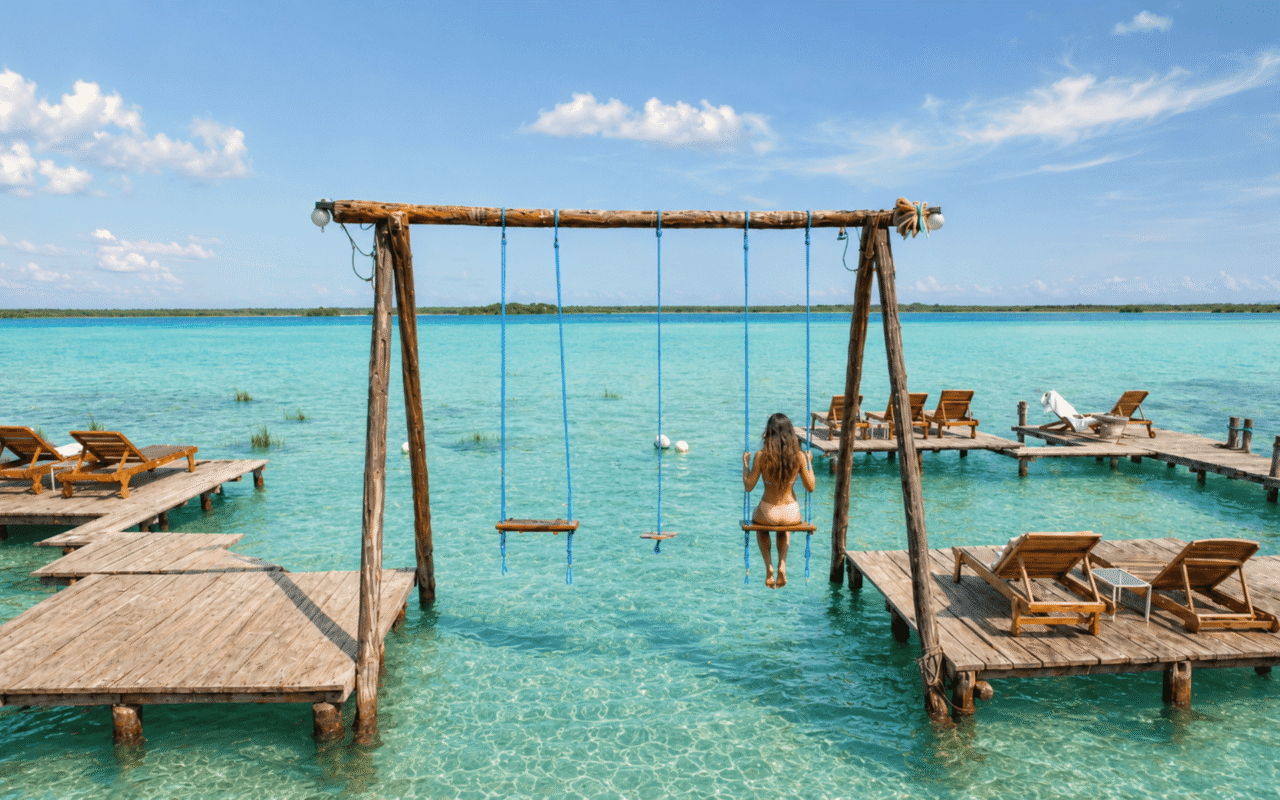
For swimming regardless of sea conditions, Bacalar is also an excellent option: it is a freshwater lagoon, so it is not affected by marine sargassum. The Mexican Pacific, Baja California Sur, Huatulco, Puerto Vallarta, or the Riviera Nayarit are not affected in the same way as the Caribbean coast.
Can we swim when there’s saragassum ? Is it dangerous ?
Swimming isn’t automatically dangerous, but it can become unpleasant when sargassum is abundant: decomposing seaweed, murky water, and less pleasant access to the water. Some sensitive individuals may be bothered by the odors released as the seaweed decomposes on the beach.
It’s best to check local conditions on a day-to-day basis and plan alternatives: cenotes, lagoons, sheltered islands, hotel pools, or switching to a different beach.
Safety, entry requirements, health and practical information
Is it safe to travel to Mexico ?
Yes, it is possible to travel to Mexico safely by carefully choosing your regions, routes, and level of support. The country should not be viewed as a uniform destination: conditions vary from state to state.
For a well-organized trip, it is essential to avoid areas not recommended by official authorities, particularly certain parts of Tamaulipas, Guerrero, Colima, Sinaloa, Michoacán, Baja California Norte, or the northern border.
Once there, we recommend prioritizing daytime travel, well-known routes, reliable drivers, local guides, and well-located accommodations. It is also best to avoid venturing onto certain isolated roads, particularly in sensitive regions.
Traveling with a local agency allows you to adapt your itinerary to actual on-the-ground conditions.
Do we need a visa to travel to Mexico ?
No, you do not need a visa for a short-term tourist visit to Mexico, provided the stay does not exceed 180 days. However, you must travel with a valid passport and be able to explain the purpose of your visit if immigration authorities ask.
It is important to verify the actual length of stay granted upon arrival, as this may depend on the immigration officer’s decision.
What destinations are recommended for a trip to Mexico ?
No specific vaccinations are required for most travelers coming directly from France. Routine vaccinations must be up to date, and certain vaccinations may be recommended depending on the regions visited, the duration of the trip, and the conditions of the stay: hepatitis A, typhoid, hepatitis B, or rabies in some cases.
It is best to consult a doctor or a travel medicine center several weeks before departure, especially for trips that include rural areas, tropical regions, or outdoor activities.
Should we purchase travel insurance for a trip to Mexico ?
Yes, travel insurance is strongly recommended for Mexico. It should cover medical expenses, hospitalization, repatriation, trip cancellation, lost luggage, and any trip interruptions.
Private healthcare can be expensive in major cities and tourist areas. Before departure, check the coverage limits, exclusions, covered activities, and terms of 24-hour assistance.
Is it safe to drink tap water in Mexico ?
No, it is not recommended to drink tap water in Mexico. It is best to drink bottled water with a seal, reliable filtered water, or water that has been made safe to drink.
In high-quality hotels and restaurants, ice cubes are generally made with purified water, but if in doubt, it is best to ask. For a tour, bringing a water filter bottle can also be practical.
What currency should we use in Mexico ?
The official currency is the Mexican peso. In tourist areas, some prices may be listed in U.S. dollars, but it’s often cheaper to pay in pesos. Credit cards are accepted at many hotels, restaurants, and shops, especially in cities and tourist destinations.
For markets, small villages, tips, tolls, or certain local services, it’s best to have cash in pesos.
Should we bring Mexican pesos before departure ?
It’s not essential. You can withdraw Mexican pesos upon arrival or exchange money locally. For convenience, however, you may want to bring a small amount of cash for initial expenses: taxis, tips, bottled water, or quick purchases.
It’s best to avoid exchanging large sums at the airport if the exchange rate isn’t favorable.
What type of power adapter should we bring for a trip to Mexico ?
For Mexico, you’ll need a US-style adapter. The country primarily uses Type A and Type B outlets, with a voltage of 127 V and a frequency of 60 Hz.
For newer devices such as phones, computers, or camera chargers, 100–240 V compatibility is often indicated on the charger. Be sure to check this information before departure.
How can we get internet access during our trip to Mexico ?
There are several options for getting internet in Mexico: a local SIM card, an international eSIM, a roaming plan, or hotel Wi-Fi. For a trip that includes areas with limited coverage, a local SIM card is often the most reliable solution.
International eSIMs can be convenient, but their coverage varies by region. In remote areas, on secondary roads, or in certain natural areas, occasional network outages may occur.
What formalities are required for a layover in the United States ?
For layovers in the United States, even if you do not leave the airport, French travelers are generally required to obtain an ESTA authorization before departure, unless a specific situation requires a visa. The U.S. Visa Waiver Program requires a valid ESTA authorization prior to boarding a flight to the United States.
You must apply on the official website and check the requirements if you have traveled to certain countries subject to restrictions.
Is there a tourist tax in Quintana Roo ?
Quintana Roo has implemented a tourist tax called Visitax for foreign visitors. In practice, enforcement of this tax has not always been systematic, and not all travelers are necessarily required to pay it upon departure. It is therefore advisable to check official information before your trip and keep the receipt if you decide to pay it online.
Transport, guides and local support
Are the travel times long between the different stops on the trip ?
Yes, some travel times can be long in Mexico, especially if the trip covers multiple regions. A 4- to 6-hour drive between two stops is common, even when the distances seem reasonable on a map.
To avoid overly long days, a well-planned itinerary can include domestic flights, stopovers, or sightseeing along the way. This helps break up long distances, makes the journeys more enjoyable, and maintains a good balance between exploration, comfort, and rest time.
What a english-speaking tour guide ?
A english-speaking tour guide accompanies travelers throughout the entire tour or during specific segments. Unlike a site-specific guide who is present only at a particular location or activity, a tour guide also accompanies travelers during transit, facilitates interactions with locals, helps them understand the regions they pass through, and coordinates certain practical aspects of the trip.
In some itineraries, the trip is organized with local Spanish-speaking guides at each stop. The “english-speaking tour guide” supplement provides a Mexican guide who is fluent in english—and usually certified—for a smoother and more in-depth experience.
This option is particularly well-suited for travelers who want more direct contact with local people, a better cultural understanding, and fewer logistical concerns during their stay.
Who should I contact if a problem arises during my trip ?
During your trip, you’ll have a local Terra Maya contact person and a 24-hour emergency number available. Our team based in Mérida knows the itineraries, the service providers, and the realities on the ground, so they can respond quickly and connect you with the right people.
In the event of a delay, schedule change, transportation issue, or logistical setback, you don’t have to figure out a solution on your own. This is one of the major advantages of a trip organized by a local agency
Accommodation and comfort
Where to stay in Mexico ?
Mexico offers a wide variety of accommodations: boutique hotels, haciendas, bed-and-breakfasts, nature lodges, private villas, luxury hotels, beach resorts, and more modest family-run establishments. The right choice depends on the region and the level of comfort you’re looking for.
On a custom-designed trip, location matters just as much as the category. A hotel may be very comfortable, but not well-suited to the itinerary if it involves difficult access, a long drive, repeated trips, or too much time lost between visits. That’s why on-the-ground expertise is essential for choosing a place that’s not only pleasant but also well-located, accessible, and consistent with the itinerary.
How to choose a hotel in Mexico ?
When selecting a hotel in Mexico, we don’t just consider style or comfort. We take into account location, accessibility, quality of service, and how well the hotel fits with the itinerary and the pace of the trip.
Whenever possible, we also prioritize establishments that have a positive impact on their local community or have clearly defined responsible policies. Our Travelife certification is part of this approach: choosing reliable partners, avoiding standardized accommodations when better alternatives exist, and offering places that add real value to the trip.
These may include boutique hotels, haciendas, guesthouses, lodges, or high-end establishments.
Is it possible to organize a stay in a private villa in Mexico ?
Is it possible to organize a stay in a private villa in Mexico?
Yes, it is possible to rent out a villa or house exclusively in certain regions of Mexico. This option requires planning well in advance, as the best properties are often booked long in advance.
The exclusive rental may include staff, a chef, transfers, activities, or full-service coordination depending on the desired level of service.
Can a custom tour in Mexico include luxury hotels ?
Yes, a custom tour in Mexico can certainly include luxury hotels. The country boasts a highly developed hotel industry, with upscale properties suited to various travel styles: city hotels, haciendas, exclusive resorts, private villas, and charming guesthouses.
Some Mexican properties are now among the leading names in the international hotel industry, such as Chablé Yucatán and Maroma, a Belmond Hotel in the Riviera Maya, which were recognized in The World’s 50 Best Hotels 2025 ranking. This recognition confirms the quality of Mexico’s high-end hospitality sector, which extends far beyond traditional beach resorts.
Experiences and activities
What are the must-try experiences in Mexico ?
Mexico offers countless opportunities for unforgettable experiences. Its geographic, cultural, and historical diversity allows you to plan a trip centered around nature, heritage, cuisine, and living traditions.
Among our must-see experiences:
Culture and heritage: visit archaeological sites with a private guide, take a tour through haciendas, or discover the craftsmanship of a local workshop.
Nature and seasonal wildlife: watch gray whales in Baja California, see monarch butterflies in their winter sanctuaries, kayak through the mangroves, swim in a cenote, hike to a waterfall, or plan a boat trip.
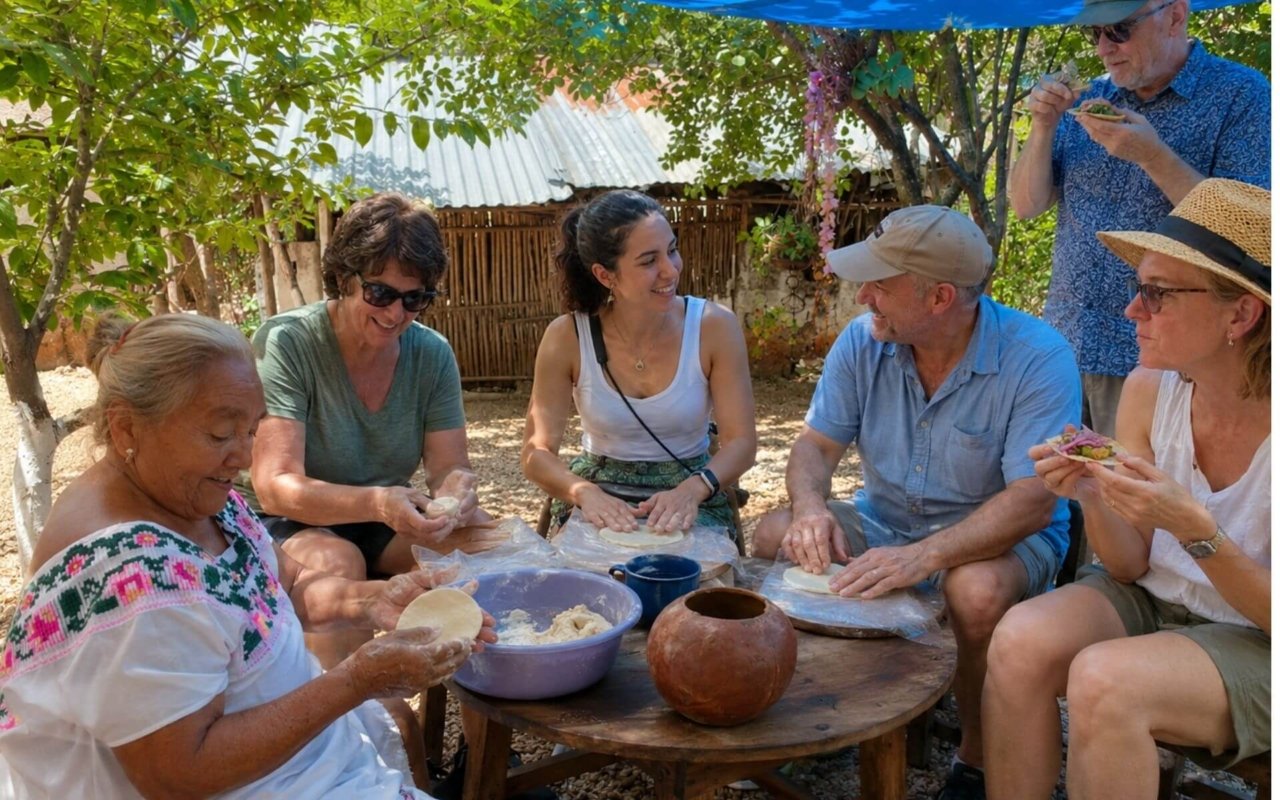
Mexican cuisine: explore a market with a local expert, taste mezcal, visit an agave field, participate in a culinary experience, or meet producers dedicated to their region.
Living traditions: experience Día de Muertos between late October and early November through altars, offerings, cemeteries, and family traditions in regions where this celebration remains deeply rooted; attend the posadas in December or experience the Grito de Independencia on September 15.
Can we visit Mayan sites with a private guide ?
Yes, and it’s highly recommended for these sites. A private guide helps you better understand the history, the layout of the cities, the architectural details, and the connections between the sites.
It also allows you to tailor the pace of your visit: more comfortable schedules, breaks, the level of detail you want, and an itinerary within the site based on how crowded it is.
Where can we enjoy a culinary experience in Mexico ?
Mexico City, Oaxaca, and Yucatán are three regions particularly notable for Mexican cuisine. Mexico City offers a highly diverse culinary scene, ranging from markets to fine dining. Oaxaca is a region renowned for its moles, corn, cacao, markets, and culinary traditions. The Yucatán has a cuisine with a strong sense of identity, characterized by corn, citrus fruits, recados, and specific cooking techniques.
A culinary experience can take many forms: a renowned restaurant, a cooking class, a market visit, a mezcal tasting, a meeting with a producer, or a meal in a local home.
Where to go snorkeling in Mexico ?
The best snorkeling spots in Mexico are mainly found in the Mexican Caribbean and in Baja California Sur. In Quintana Roo, Cozumel, Puerto Morelos, Akumal, Isla Mujeres, and certain areas of the Riviera Maya offer opportunities to see reefs, tropical fish, and sea turtles, depending on the location and local conservation regulations.
In Yucatán, the cenotes offer a very different experience: freshwater, play of light, rock formations, and a more mineral-like atmosphere. They are especially suited for travelers seeking a gentle, accessible experience that differs from snorkeling in the ocean.
The choice of spot depends on the season, the travelers’ skill level, visibility, and local regulations. For a well-organized trip, it’s best to prioritize protected areas, licensed guides, and excursions that respect marine wildlife.
Where to go hiking or trekking in Mexico ?
The best regions for hiking or trekking in Mexico are Oaxaca, Chiapas, Baja California Sur, the volcanoes in central Mexico, and the Barrancas del Cobre in Chihuahua. The choice depends on your fitness level, altitude, the season, and how remote you want your trip to be.
Oaxaca: ideal for cultural and nature hikes, particularly in the Sierra Norte and the Pueblos Mancomunados, where you’ll find walking and biking trails, community-based tourism experiences, and activities centered on traditional medicine
Chiapas: offers mountain hikes, waterfalls, rainforests, and some trails around San Cristóbal de las Casas, provided you are well-guided depending on the areas you’re exploring
Around Mexico City and Puebla: high-altitude hikes are concentrated around Iztaccíhuatl, Nevado de Toluca, and the region’s national parks. Nevado de Toluca reaches an altitude of 4,680 meters, which means you must account for the cold, the physical exertion, and acclimatization.
In Baja California Sur: hiking takes on a more desert-like and rocky character, particularly in the Sierra de la Laguna, a biosphere reserve that protects the state’s only pine and oak forest.
In the Barrancas del Cobre: Trekking here is best suited for experienced travelers or those with a guide. The Sierra Tarahumara is home to deep canyons and one of the largest forested regions in northern Mexico.
For a comfortable and safe trip, certain hikes should be organized with a local guide, especially at high altitudes, in rural areas, or on poorly marked trails. You should also take into account the heat, distances, weather, and local safety conditions.
Where to find less touristy cenotes in Yucatán ?
To find less touristy cenotes in Yucatán, you need to get away from the busiest routes between Cancún, Tulum, and Valladolid, and head into the state’s interior. The areas around Homún, Cuzamá, San Antonio Mulix, and certain villages near Mérida often offer a more peaceful experience than the highly publicized cenotes of the Riviera Maya.
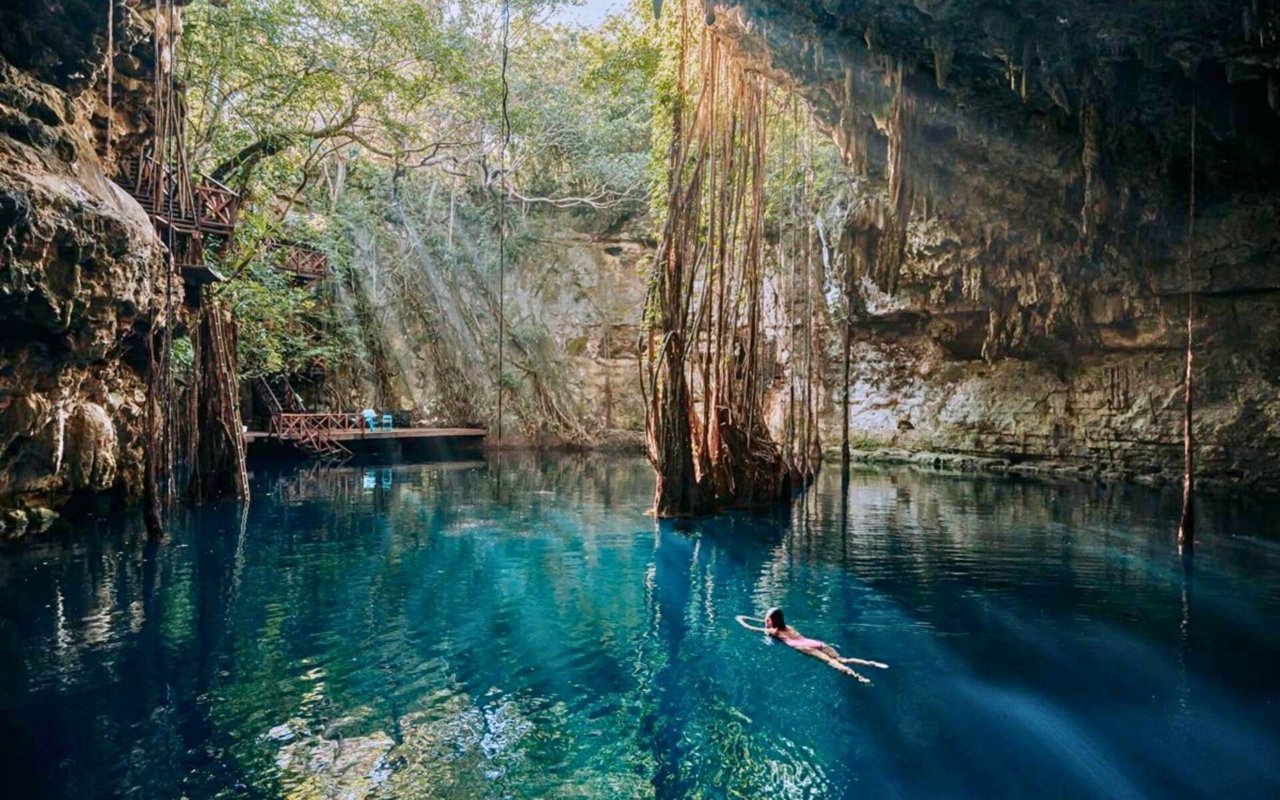
For a pleasant visit, it’s best to arrive early, avoid weekends and Mexican holidays, and choose locally managed sites with secure access, life jackets, and conservation rules. Some cenotes are located off the beaten path: a local guide or a driver familiar with the area can make all the difference.
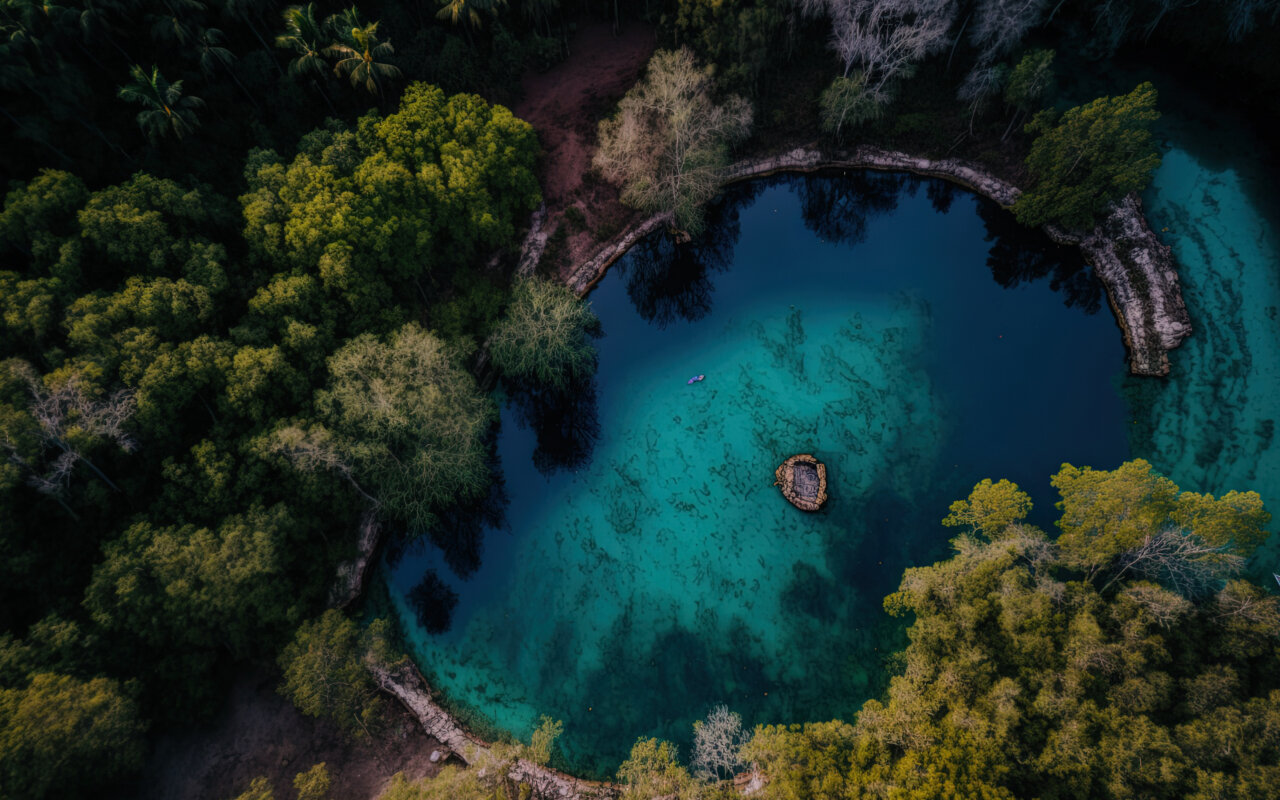
These cenotes aren’t necessarily “secret,” but they offer a more intimate way to experience the Yucatán. The Anillo de Cenotes, linked to the Chicxulub crater, also highlights the region’s exceptional geological significance.
Where can we meet artisans in Mexico ?
Artisans can be found throughout the country, thanks to the vast diversity of traditional crafts: textiles, ceramics, wood carving, embroidery, natural fibers, hammered copper, blown glass, Talavera pottery, and Wixárika art. Many of these techniques have been passed down for generations and remain closely tied to the materials, communities, and regions where they originated.
Among the most renowned regions, Oaxaca stands out for its textiles, alebrijes, barro negro, and Zapotec weaving. Chiapas is a hub for highland textiles, particularly among the Tsotsil and Tseltal communities. In Yucatán, visitors can discover hammocks, embroidery, henequen, and certain Mayan crafts. Puebla is associated with talavera, while Michoacán is known for the hammered copper of Santa Clara del Cobre, woodworking, and lacquerware. Jalisco is renowned for blown glass, ceramics, and certain expressions of Wixárika art.
These encounters must be carefully prepared, respecting the time, skills, and conditions set by the communities.
Are the activities suited to the travelers’s physical fitness levels ?
Yes, the activities can be tailored to the travelers’ physical fitness levels. Some tours are very accessible, while others involve long walks, climbing stairs, enduring the heat, or navigating uneven terrain.
It is important to notify us before departure of any mobility limitations, health issues, specific fatigue concerns, or preferred pace. This allows us to select the right tours and avoid overly packed days.
Booking, payment and conditions
How to book a trip with Terra Maya ?
The booking process begins with a quote request via the website. We then communicate with you to understand your dates, preferences, budget, pace, and desired regions.
We prepare an initial itinerary proposal, then adjust it as needed. Once the itinerary, services, and price are confirmed, we make reservations with hotels, guides, drivers, and service providers according to the terms outlined in the quote.
How far in advance should you book a trip to Mexico?
We recommend booking at least three to six months in advance, especially for luxury trips, peak travel seasons, or trips during the holidays, Día de los Muertos, Holy Week, or school breaks.
Planning ahead gives you a better selection of hotels, English-speaking guides, specific room types, and sometimes better airfares. For highly customized trips, the more lead time you have, the better the selection.
Can we book a last-minute trip ?
Yes, we can organize a last-minute trip, depending on the dates, regions, desired level of comfort, and availability. This is generally easier during the off-season or for simple itineraries.
During peak season, the best hotels, English-speaking guides, and private drivers may be fully booked. In that case, we’ll help you find the best possible alternatives, with more flexibility regarding accommodations, certain activities, or the desired pace.
How does the process of creating a custom itinerary work ?
We start by listening to your plans: duration, dates, travel style, regions, comfort level, interests, pace, budget, and any specific requirements.
Based on this information, we develop an initial coherent proposal. The itinerary is then fine-tuned with you: adding or removing stops, changing hotels, selecting activities, determining the level of support, transportation, and rest periods.
The trip is finalized once the itinerary fully meets your expectations.
Can we modify a tour featured on the website ?
Yes. The tours presented on the website are meant to serve as inspiration. We can adapt them to your dates, budget, pace, comfort level, and desired experiences.
You can change the number of nights, replace a stop, add a beach stay, choose a private driver, include a French-speaking guide, or focus on specific themes such as gastronomy, archaeological sites, nature, or crafts.
How do we pay for our trip ?
Payment terms are outlined in the travel proposal. We specify the deposit required to initiate bookings, the payment schedule for the balance, and the available payment methods.
Before confirming your booking, we recommend that you review the terms and conditions, any applicable fees, cancellation policies, insurance coverage, and included services.
Can we reschedule a trip that has already been booked ?
A rescheduling request may be considered depending on the trip’s terms, dates, availability, and the policies of the service providers already booked. Hotels, domestic flights, guides, activities, or transportation providers may have their own terms and conditions.
If you need to reschedule a trip, we advise you to notify us as soon as possible. We will then review the options and find the most suitable solution
Will I receive a detailed travel itinerary before departure ?
Yes. Before departure, we will provide you with a detailed travel itinerary including the itinerary, accommodations, schedules, useful contacts, planned visits, travel times, and practical information.
This document allows you to travel with a clear understanding of the program, while maintaining the flexibility inherent in a custom-designed trip.
Terra Maya and local support
Who is Terra Maya ?
Terra Maya is a local French-speaking agency based in Mérida, in the heart of Yucatán. Since 2006, we have been designing custom trips to Mexico for French-speaking travelers: private tours, self-drive tours, family vacations, honeymoons, cultural itineraries, and luxury experiences.
Our team lives locally and regularly explores the country to offer up-to-date, cohesive, and well-paced itineraries. This local presence allows us to carefully select the guides, drivers, accommodations, experiences, and partners best suited to each trip.
Terra Maya is part of Terra Panamerica, a network of 9 destination management agencies based in North and Latin America, united by shared values: regional expertise, custom travel, teamwork, and a commitment to responsible tourism.
To learn more about our agencies, click here:
Terra Alaska
Terra Canada
Terra Guatemala
Terra Panama
Terra Caribea
Terra Nicaragua
Terra Colombia
Why should we book with a local agency in Mexico ?
Working with a local agency in Mexico allows you to design a customized trip based on firsthand knowledge of the area, without any additional intermediaries. Many European agencies work with local tour operators: by dealing directly with a team based in Mexico, communication is faster, costs are better controlled, and the organization is more transparent.
A local agency knows which guides, drivers, hotels, and service providers are truly reliable. It can also adjust the itinerary more quickly in case of unforeseen events, thanks to 24/7 French-speaking support available on-site.
It’s a more direct, responsive, and seamless way to organize a trip to Mexico under the best conditions.
Why can’t I find prices on the website ?
We do not display fixed prices on the website, as most of our trips are custom-designed. The itineraries presented are meant to serve as inspiration: they can be adapted based on dates, comfort level, hotels, transportation, guides, activities, and the desired pace.
The same itinerary can therefore have several price options depending on the choices made. When you tell us which tour interests you or what you’re looking for in a trip, we’ll prepare a detailed proposal with a description, the services included, and the corresponding price.
Who will be my contact before departure ?
Before departure, you’ll work with an English-speaking travel advisor. We’ll assist you in planning your itinerary, making adjustments, choosing the pace of your trip, addressing practical questions, and finalizing the itinerary.
The goal is to have a point of contact who understands your expectations and transforms your travel idea into a feasible, seamless, and well-organized tour.
Does Terra Maya work with selected guides and service providers ?
Yes. We work with guides, drivers, hotels, and service providers selected based on their reliability, professionalism, local knowledge, and the quality of traveler feedback.
This selection process is essential to ensuring a seamless trip, especially for private or high-end tours where the expected level of service is more specific.