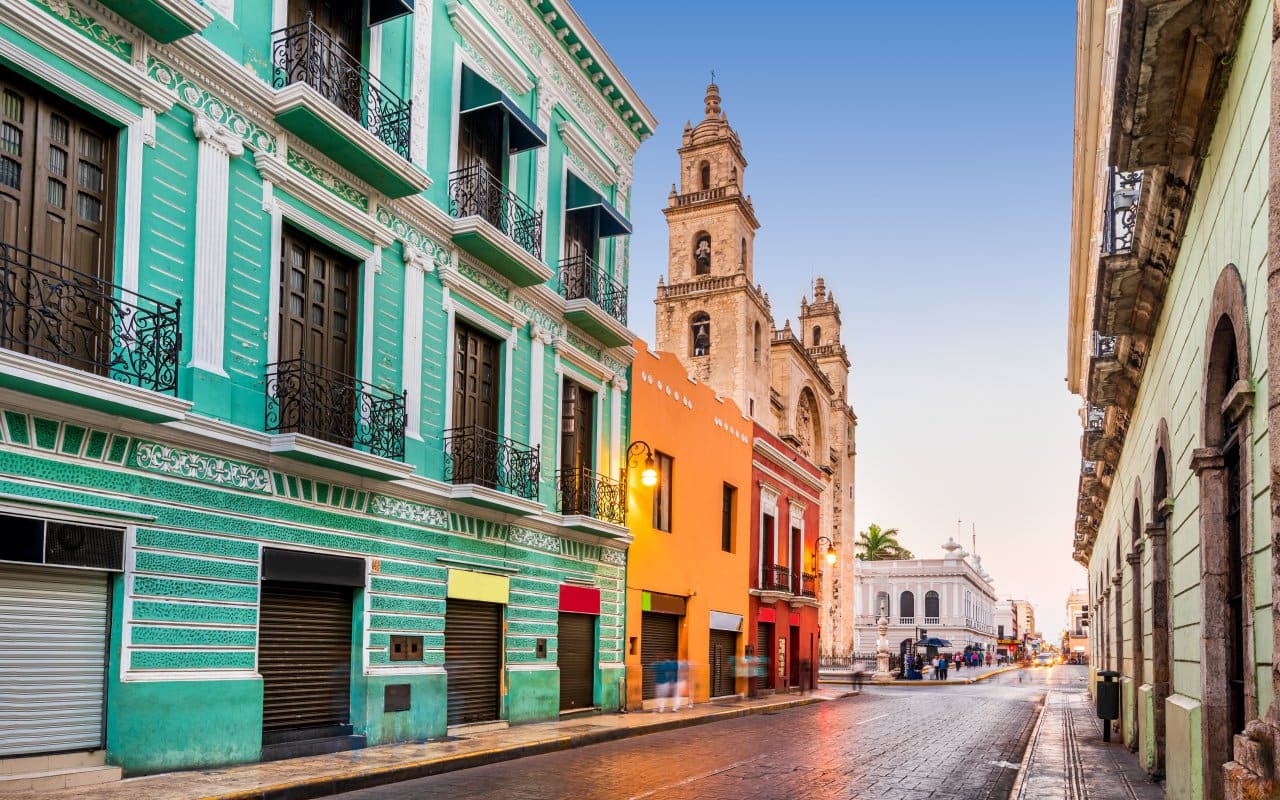
Mérida, also known as “the white city”, capital of the state of Yucatán, is located in the northwest of the peninsula. The city charms visitors with its cosmopolitan vibe, its intimate scale, and the tranquility that reigns there. Indeed, the capital of Yucatán is renowned for its safe streets and peaceful atmosphere. Far from the hustle and bustle and overcrowding of the beaches in Cancún and Playa del Carmen, Mérida is a prime stop on any tour of southern Mexico. A fascinating and multifaceted city, it is also ideally located as a starting point for visiting Mayan sites such as Chichén Itzá.
Get inspired by our travel itineraries in Yucatán that include Mérida…

Mexico, Oaxaca & Yucatán tour 3 weeks of culture and nature

Merida, a city with an ancient history
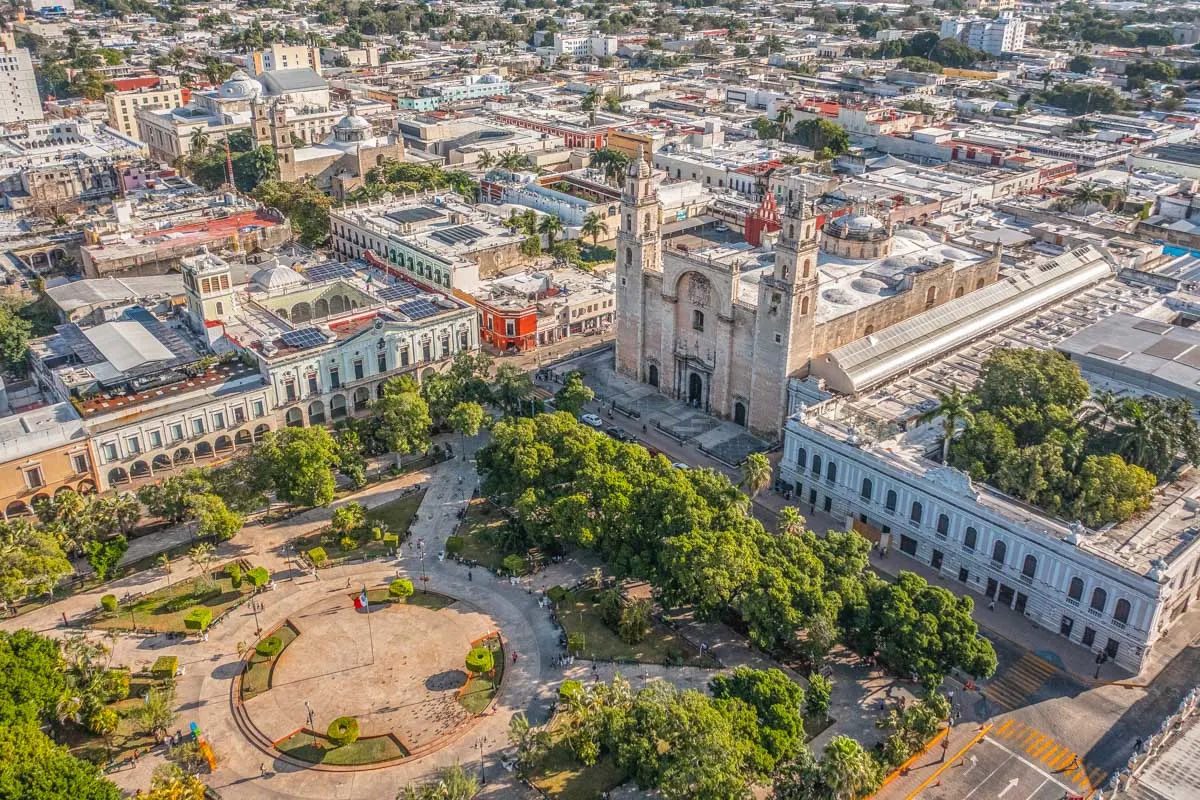
Before it was founded by the Spanish conquistadors in 1542, the site where Mérida stands today was home to the Maya city of T’Ho. During the Postclassic Maya period, from the 10th to the 12th century, T’Ho was home to a large community that gradually abandoned the city before the arrival of the colonists. The colonists built the city on the ruins of the ancient city. Francisco de Montejo, sent by the Spanish crown to conquer the peninsula, found an abandoned city where he was able to build one of the largest cities in the Americas at the time, alongside Mexico City and Havana: Mérida. Traces of the pre-Hispanic era still remain in the modern city, such as the San Ildefonso Cathedral, the oldest in Mexico, where carved stones from Mayan buildings can be seen in certain areas.
During the 17th century, Mérida was fortified to defend against attacks by Mayan troops. Today, many of the gates in this wall still mark the boundaries of the historic center and part of the city. Thereafter, the city enjoyed a period of prosperity thanks to “green gold”: henequen, a type of agave exported worldwide for its ultra-strong fiber in the form of ropes and twine. Trade in this precious resource passed through the port of Sisal, a few kilometers north of the city. This golden age is still visible today in the grandeur of the large mansions lining the city’s main avenue, the Paseo de Montejo.
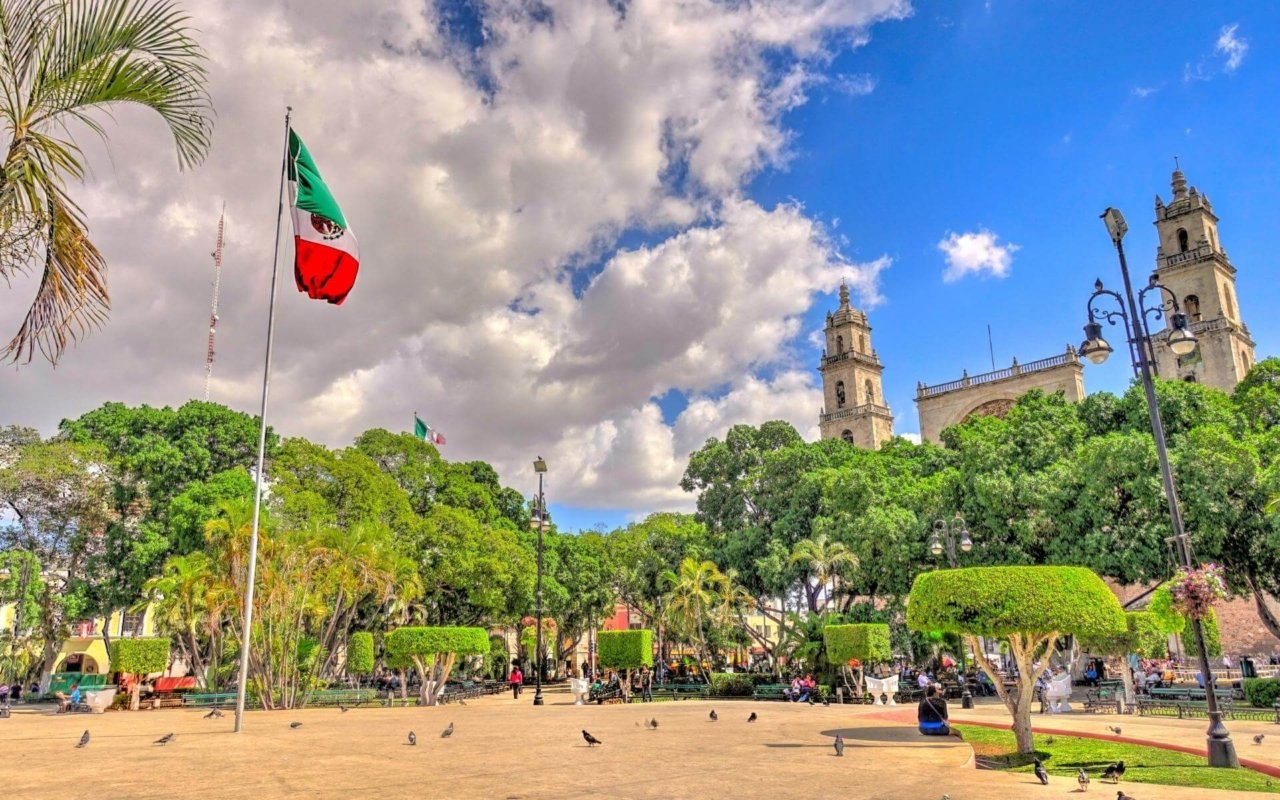
Today, the center retains its original colonial architecture. Like many Mexican cities, the Plaza Grande, the central square or zocalo, is the heart of the city where residents gather in the shade of the trees and where the historical heritage is concentrated. In addition to the aforementioned Cathedral, the Government Palace (Palacio de Gobierno) and City Hall (Palacio Municipal) are also worth a visit.
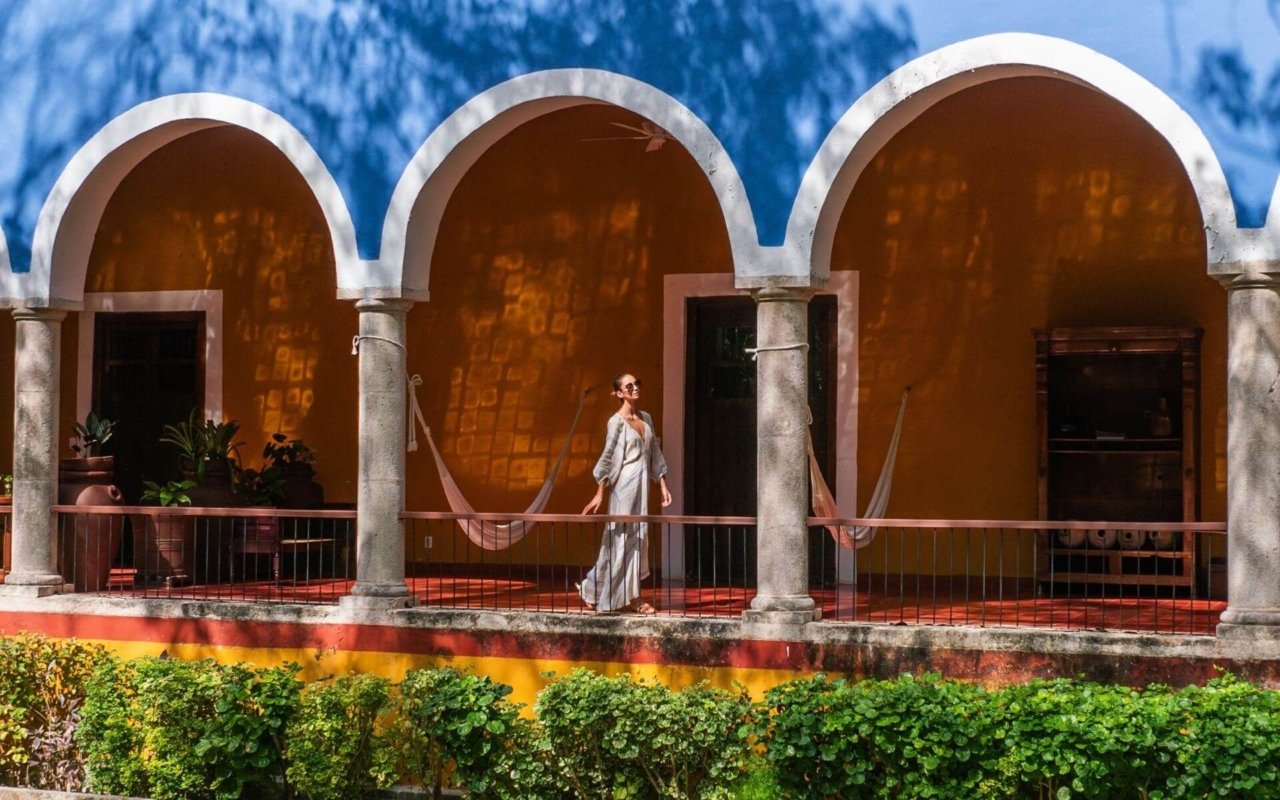
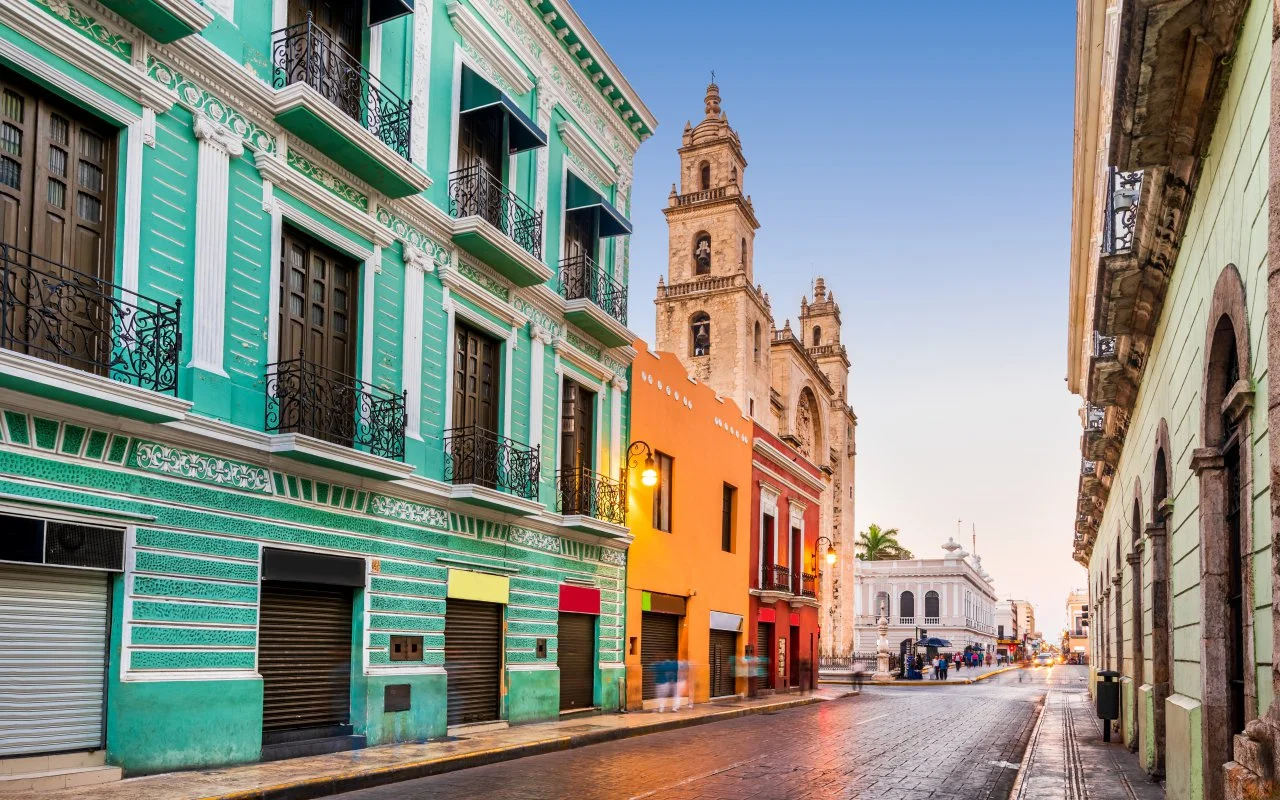
Lively and a bit chaotic, with traces of the past on every street corner, Mérida is a city of colorful facades waiting to be explored. Between monasteries and churches, typical little houses, and authentic haciendas, Mérida’s labyrinthine streets are steeped in history.
A thriving cultural scene
Mérida is more than just its historical heritage. The city boasts a thriving cultural scene, supported by institutions and a regular program of events.
The Palace of Mexican Musique is one of the city’s main cultural hubs. Its immersive exhibition traces the musical history of Mexico through interactive displays that showcase genres, instruments, and key figures (exhibition in Spanish). The venue also hosts concerts and currently serves as the home of the Yucatán Symphony Orchestra (OSY).
At the same time, the city of Mérida organizes free cultural events every week in public spaces, including concerts, performances, and entertainment. These take place notably in the Plaza Grande and in several neighborhoods, ensuring a daily cultural presence in the city.
Merida Museums to visit
The Museum of Popular Art
The Museum of Popular Art showcases the work of artisans, whether in wood, glass, or textiles. It highlights the traditional craftsmanship of indigenous communities, particularly the descendants of the Maya.
Mayan World Museum
To continue the cultural tour, you might also visit the Museum of the Mayan World, located north of downtown, or the Casa de Montejo, which once belonged to the family that founded the city and is situated on the Zócalo. Across the square, the Olimpo Cultural Center features a planetarium and offers numerous activities and exhibitions for all ages.
This is just a small selection of Mérida’s cultural offerings; the city is home to cultural centers and art galleries that everyone can discover as they wander through the streets.
The Casa de Montejo
Located on the Plaza Grande, the Casa de Montejo is one of the city’s oldest colonial mansions, built in the 16th century for the family of Mérida’s founders. Its Plateresque-style architecture is characteristic of the period. Today, it is open to the public as a house-museum, offering insight into the social organization and lifestyle of the colonial elite.
Nearby, the Olimpo Cultural Center offers exhibitions, events, and a planetarium open to the public.
Parque La Plancha: Mérida’s Newest Urban Oasis
A Heritage Redevelopment Project
The Plancha Park was inaugurated on November 19, 2023, on the site of the former Mérida Central Railway Station, which operated between 1920 and 1974. This station once represented modernity and the apogee of the henequen industry in the region. The redevelopment project extends 20 hectares in the heart of downtown and required an investment exceeding one billion Mexican pesos. Designed by Yucatecan architects Javier Muñoz Menéndez and Carlos Eduardo Quesnel Moguel, the park was built by the Corps of Engineers of the Ministry of National Defense. The site now bridges the gap between railway heritage and contemporary urban planning, while preserving the site’s history through the conservation of old railcars and locomotives.
Infrastructures and facilities
The park features 2 kilometer jogging trails, bike paths, covered walkways, and a 300 space parking lot. At the center of the park there is an artificial lake with a circumference of 700 meters, complete with illuminated fountains. Visitors have access to a 10,000 seat amphitheater, an outdoor gym, a skatepark, and eight children’s play areas. A covered food market features 20 independent stalls offering a variety of cuisines, from traditional tacos to international specialties, in a space with approximately 600 seats. The park also provides a direct connection to the IE-TRAM station, which links the site to the Teya station of the Tren Maya.
Cultural offerings and services
Two museums enrich the park’s offerings: the Museo del Ferrocarril, dedicated to the railway history of Yucatán, and the Museo de la Luz. The Museo del Ferrocarril features interactive video projections and offers activities to explore the world of railways, including simulated journeys. The amphitheater regularly hosts concerts and cultural events. The park provides first aid and security services, as well as restrooms located throughout the site. The entire complex is open daily from 7 a.m. to 11 p.m. and is illuminated at night with security personnel on duty.
The gastronomic capital of Yucatan
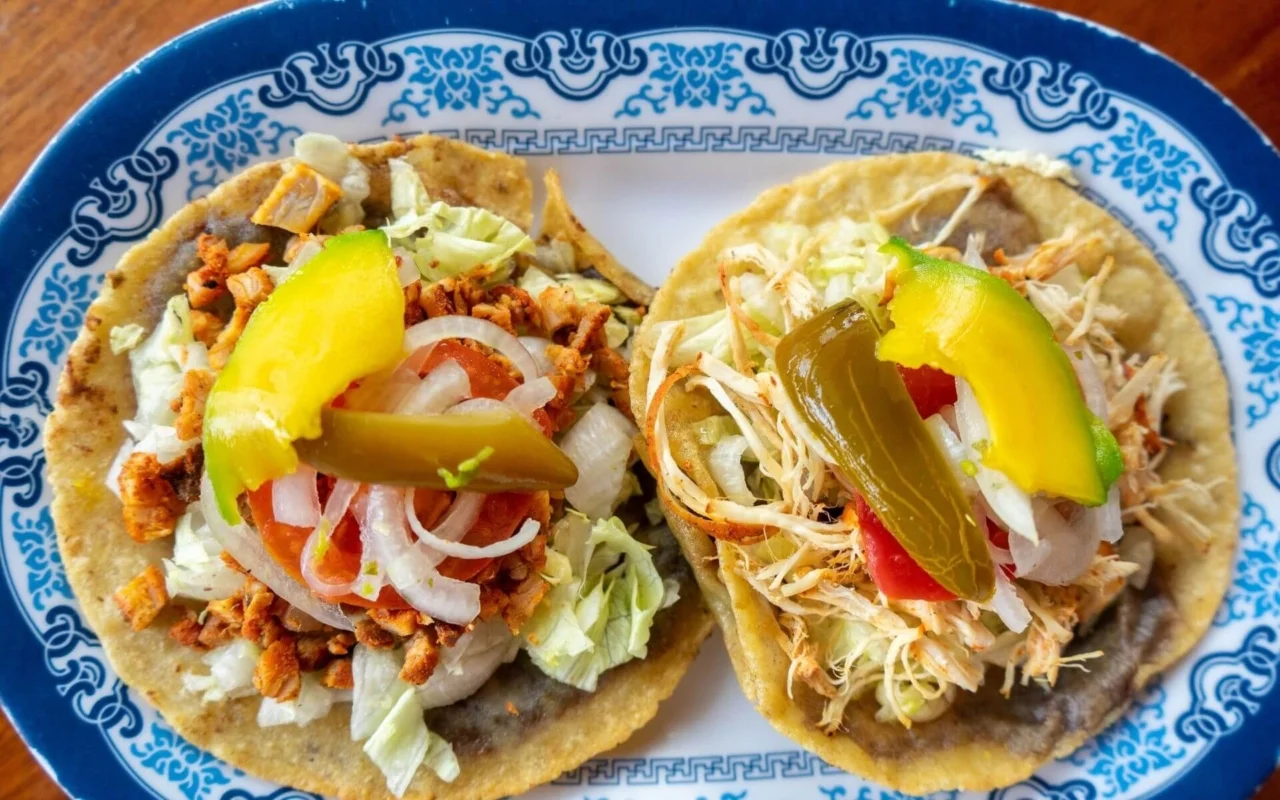
Third and certainly not least: the cuisine of Mérida! The region’s cuisine is an incredible blend of Mayan, Spanish, and Arab flavors. One way to experience the local cuisine is to venture into one of the city’s markets and then sit down at one of the small stalls to enjoy the culinary specialties.
Calle 47: Mérida’s New Gastronomic Corridor
Origins and Urban Transformation
The Calle 47 gastronomic corridor originated from an organic movement of restaurant owners who, beginning during Mayor Renán Barrera’s first term, gradually set up shop along this neglected downtown thoroughfare. Renovation work began in October 2022 on the section connecting 56th and 48th Streets, spanning nearly two kilometers. The municipal investment totaled 86 million pesos, with an additional 25 million pesos contributed by service providers, bringing the total to 111 million pesos. The official inauguration took place on November 3, 2023, in the presence of Governor Mauricio Vila Dosal and Mayor Renán Barrera Concha. Before construction began, only 11 establishments occupied the street; eight new restaurants opened immediately following the inauguration, demonstrating the economic momentum generated by this project.
Urban Planning and Image
The transformation of Calle 47 is based on a comprehensive redevelopment of the public space that prioritizes pedestrian traffic. The work has significantly widened the sidewalks, creating spacious areas for strolling where restaurants can set up their outdoor seating. All utility networks—water, gas, internet, electricity, and street lighting—have been buried underground, freeing up the airspace and opening up views of the architecture. More than 60 building facades have undergone complete restoration, restoring their original colonial character. The corridor connects directly to La Plancha Park and extends along Calle 60 to Plaza Grande, forming a key tourist and gastronomic axis for the historic center. This project is part of Mérida’s recognition as a UNESCO Creative City of Gastronomy and contributes to the economic revitalization of the downtown area.
A Selection of Notable Restaurants
The corridor is now home to more than 50 establishments offering a wide variety of cuisines. Among the must-visit spots, Micaela Mar y Leña stands out for its seafood and grilled dishes, promoting sustainable fishing in a warm atmosphere where family recipes meet innovation. Marmalade has established itself as a go-to spot for creative brunches with its artistic presentations and fresh ingredients. Ánima offers an intense sensory experience centered around the fire, specializing in lamb and pork, paired with creative mixology. El Catrín combines Mexican cuisine with a relaxed cultural atmosphere, ideal for drinks with friends. Sandunga celebrates traditional Oaxacan cuisine. For breakfast, Manjar Blanco offers traditional Yucatecan cuisine overlooking Parque de Santa Ana.
At the Santiago market, the aromas of spicy cooking mingle in the air, vendors chat from one stall to another, and both regulars and passersby flock to at lunchtime. Among the abundance of options, a great spot is Lupita’s Taqueria. On the daily menu, a typical Yucatecan dish: cochinita pibil, pork slow-roasted in banana leaves, or the “lechon con chicharron” taco, a suckling pig taco with chili sauce for the more adventurous.
Cantinas
For those who want to soak up the atmosphere of the cantinas, popular and inexpensive canteens, “La Negrita Cantina”, a stone’s throw from Santa Ana Park, is a typical address of choice where travelers in search of authenticity mingle with the locals. Here, the food is simple and tasty, and the atmosphere friendly – immersion guaranteed!
Other Yucatan specialty restaurants we recommend
Also located near the Santa Ana Market and the park of the same name is Manjar Blanco, a restaurant serving regional culinary specialties such as papadzules, known in the Maya language as “food for the gods.” This dish consists of corn tortillas bathed in a thick sauce made from pumpkin seeds. Poc chuc is also on the restaurant’s menu. This dish, made with pork marinated in citrus and then grilled, is served with rice, beans, and red onions. For dessert, the corn flan is the best choice!
Santa Lucia Square is a particularly pleasant and lively option for an evening meal. Folk musicians play the traditional Yucatecan serenata there. To enjoy the show while you eat, you can sit on the terrace at Apoala, a slightly more upscale restaurant serving sophisticated Mexican cuisine with refined flavors. Reservations are recommended!
Traditional Cantinas: The Authentic Soul of Mérida
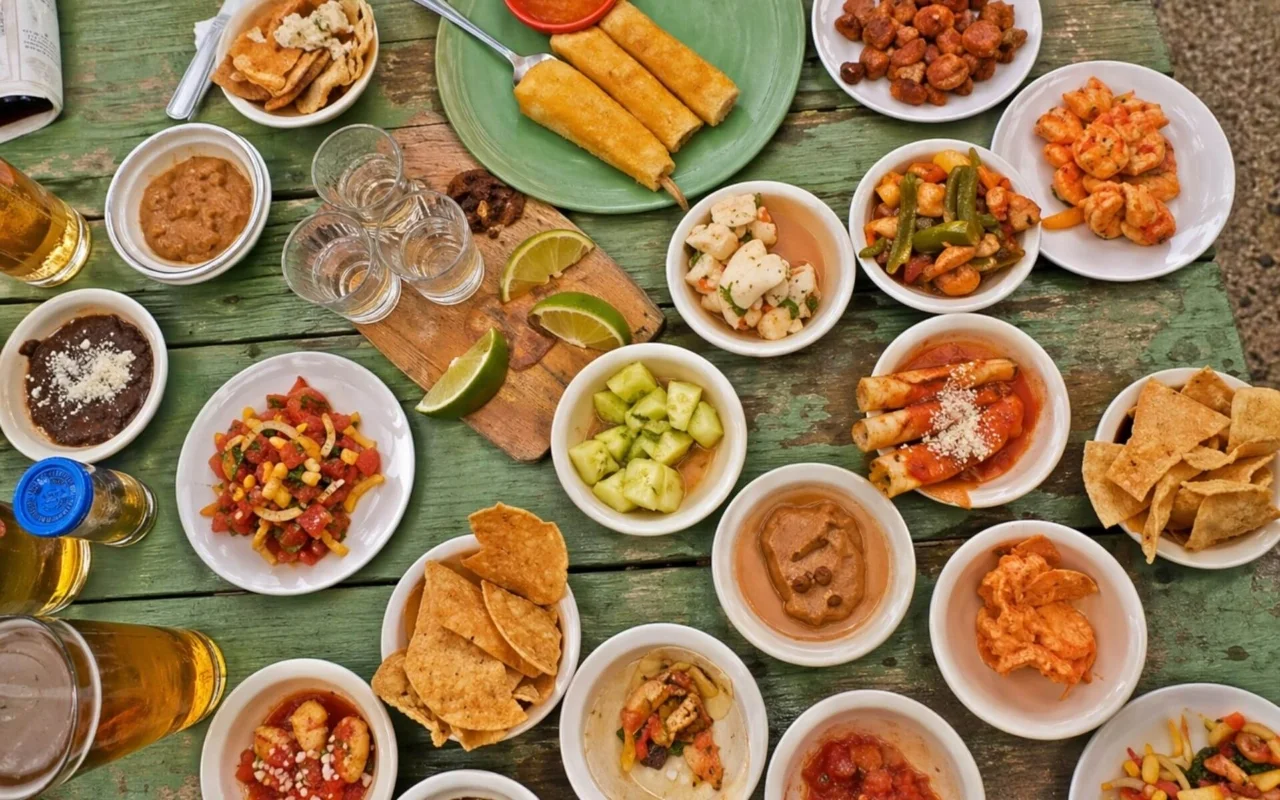
Mérida’s nightlife has its roots in traditional cantinas, lively spots where the famous botanas—those complimentary appetizers served with every round of drinks—are still on the menu. La Negrita Cantina has remained a must-visit institution since 1917, located at the corner of 62nd and 49th Streets near Parque Santa Ana. In its spacious, tree-lined patio with high ceilings and azulejo tile floors, Cuban and salsa music plays daily from noon to 10 p.m., drawing locals and visitors alike into a festive atmosphere where dancing comes naturally. El Cardenal Cantina, another century-old veteran located on 63rd Street near Parque de Santiago, offers a more laid-back yet equally authentic atmosphere, ideal for savoring an Xtabentún, a local anise- and honey-flavored liqueur. Dzalbay Cantina stands out for its exceptional musical lineup: founded in 2018 by four international musicians from the Yucatán Symphony Orchestra, it has established itself as Mérida’s temple of jazz and blues, with live concerts seven nights a week and some thirty artisanal mezcals to discover.
Speakeasies and cocktail bars: clandestine elegance
The cocktail bar scene has embraced the speakeasy concept with remarkable enthusiasm. Malahat, hidden behind a refrigerator door in a parking garage near Parque Santa Lucia, is considered the city’s most popular speakeasy. In this intimate, Gothic-style space bathed in soft lighting and jazz, mixologists craft creative cocktails where mezcal takes center stage. The establishment, named after a Prohibition-era bootlegging ship, cultivates a spirit of adventure and mystery that appeals to a discerning clientele.
Flamel, opening in early 2023, embraces an esoteric atmosphere centered on the theme of witchcraft, with its red-and-black decor, mood lighting, and a cocktail menu presented as an ancient grimoire. Each creation is served with a theatrical presentation, complete with smoke and lanterns. La Fundación Mezcalería, run by the owners of La Negrita, offers a bohemian setting with walls covered in street art and eclectic objects, where reggaeton pulses late into the night and free Wednesday salsa classes draw a lively crowd.
Trendy Rooftops and Bars: Modernity with a View
Rooftop bars and contemporary venues elegantly round out the nightlife scene.
SkyCity, a modern complex in the San Ramón Norte neighborhood, dedicates its entire top floor to several rooftop bars, including Chill Out Merida and Gin 47 Mixology & Kitchen, offering rare aerial views of the White City. Picheta, perched above the Plaza Grande with a breathtaking view of the cathedral, attracts a sophisticated clientele with its signature cocktails in an elegant setting. Casa T’ho, housed in an elegant French colonial mansion on Paseo de Montejo, features a chic aperitivo bar where the city’s affluent residents from the north gather. For a younger, more energetic vibe, Tropico 56 and Mercado 60 offer live music, dance floors, and a festive atmosphere that really comes alive on weekends, transforming the historic center into a vibrant nightlife scene.
Merida: the ideal starting point to visit Yucatan
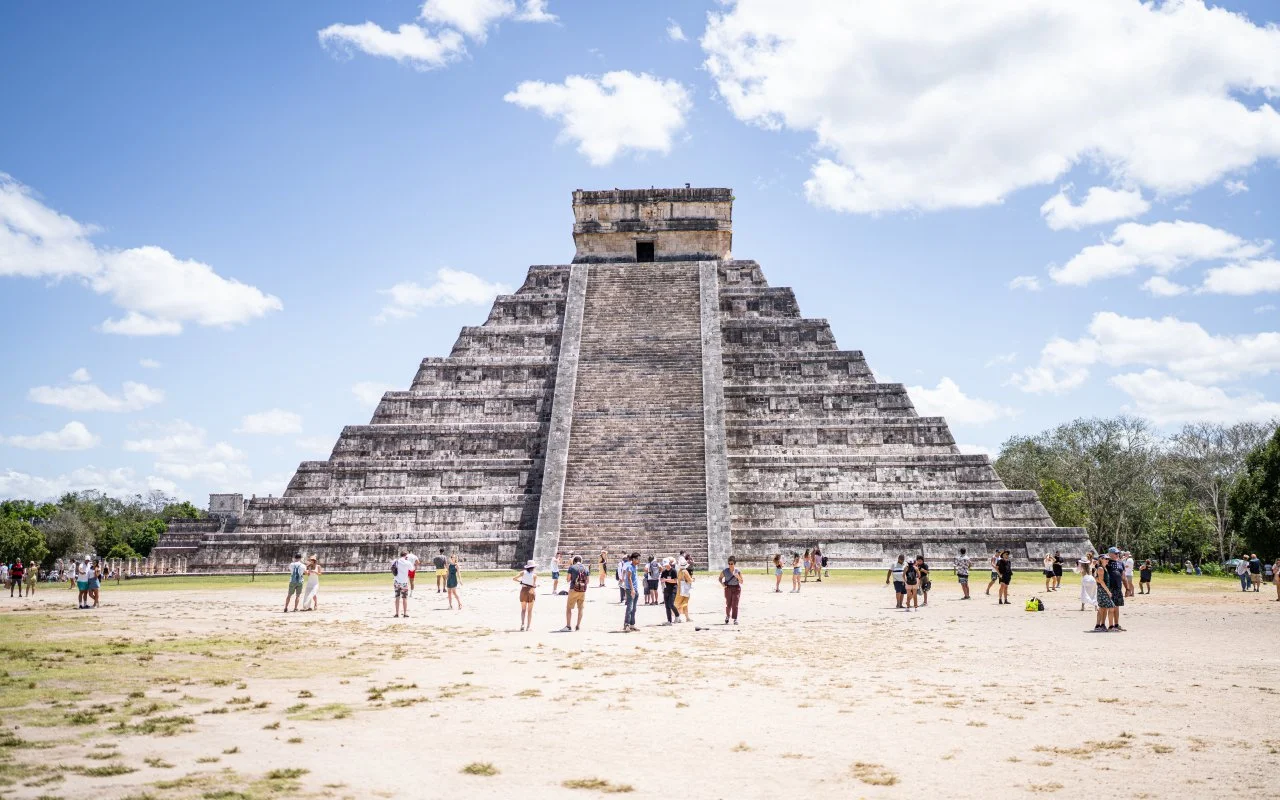
1.5 hours from Chichén Itzá
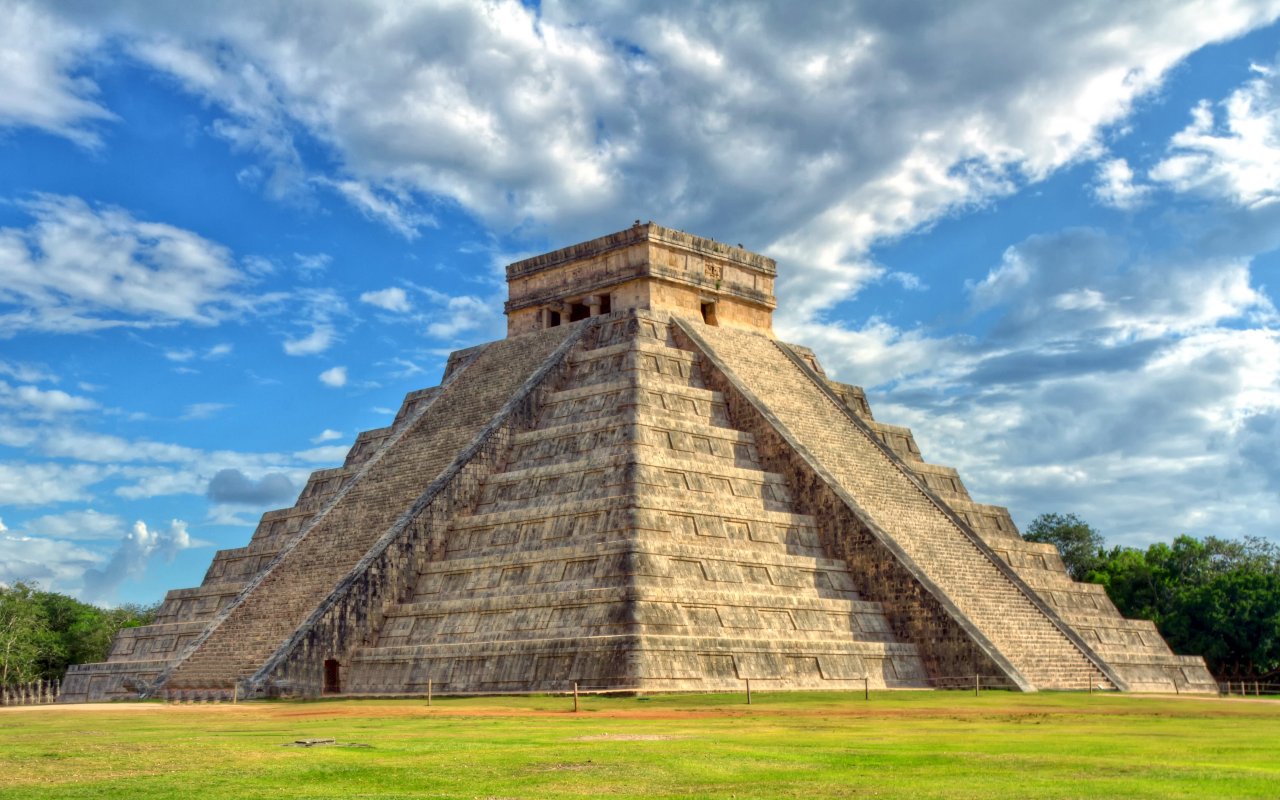
Another advantage of Mérida for visitors is its proximity to other attractions in the region. The city is an ideal starting point for day trips to nearby destinations, particularly a visit to Chichén Itzá, the must-see Mayan site. Chichén Itzá is located 120 km from Mérida, a 1.5-hour drive.
Close to numerous cenotes
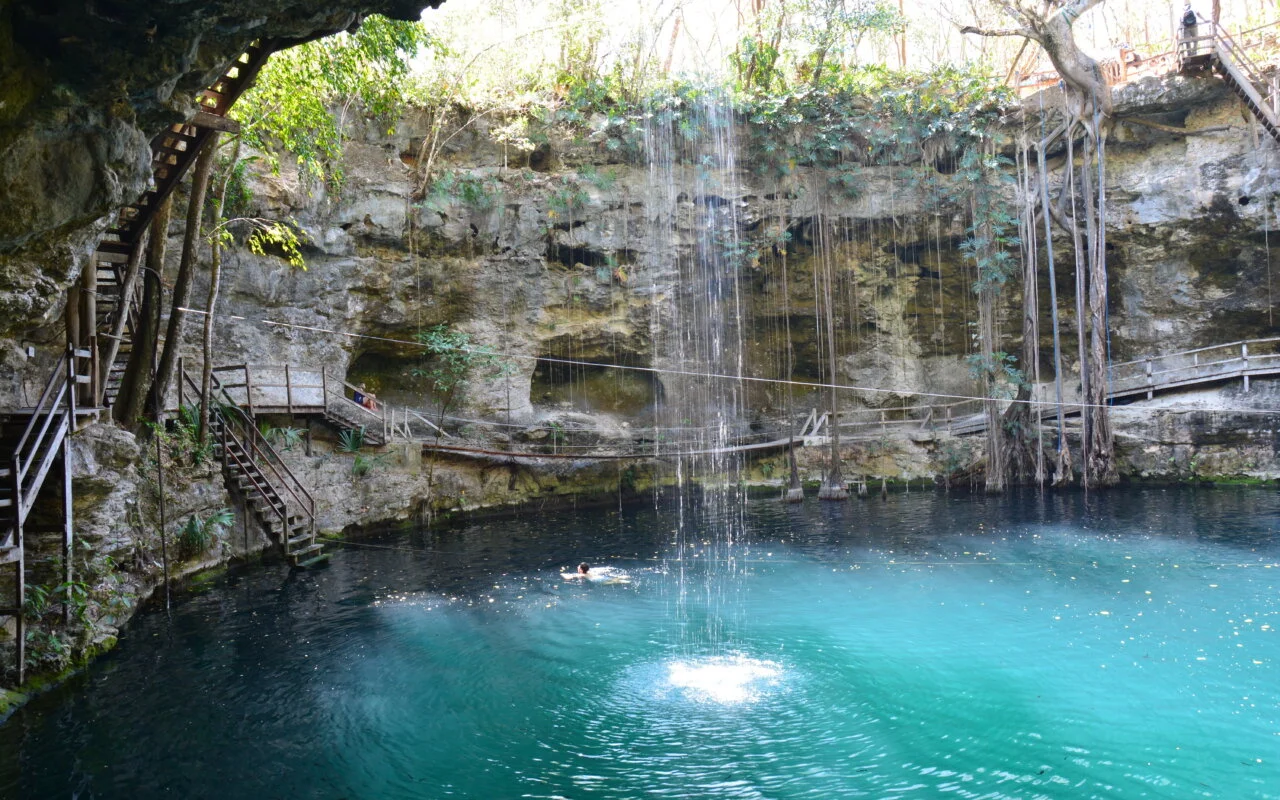
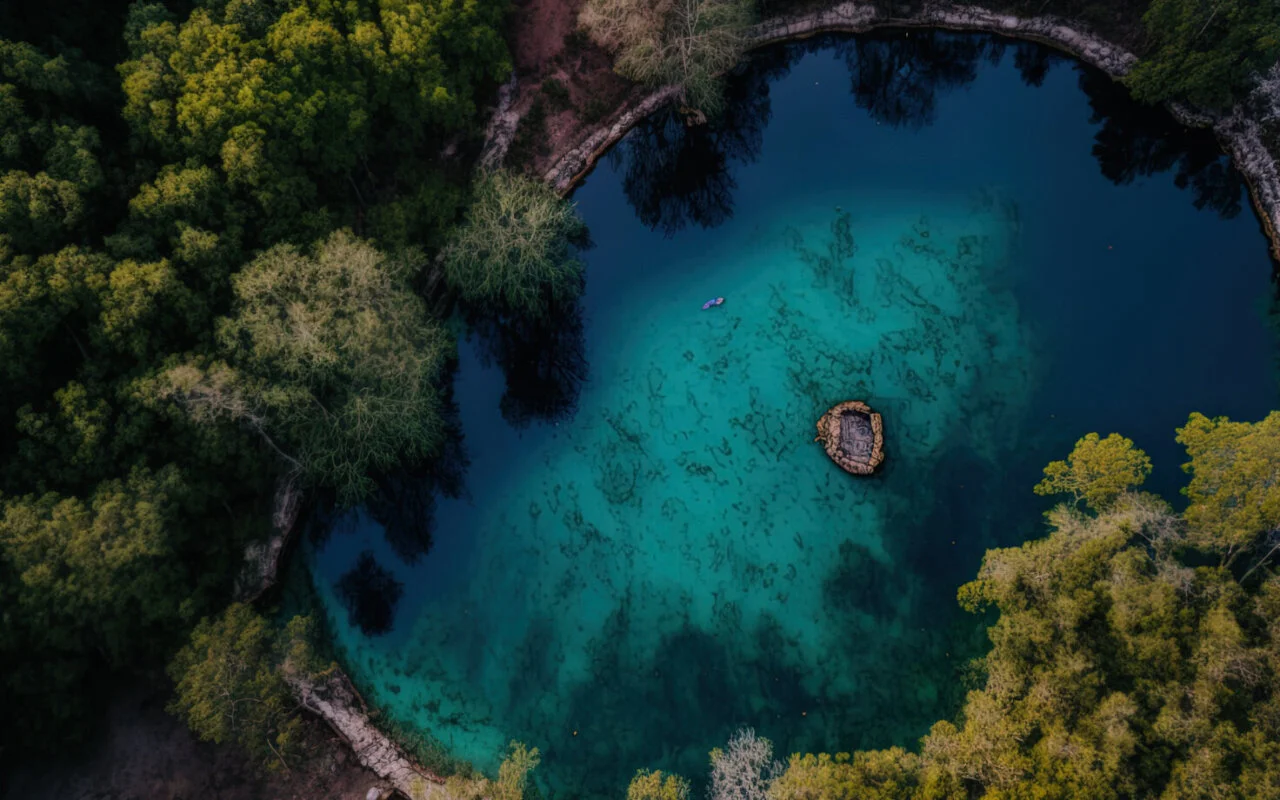
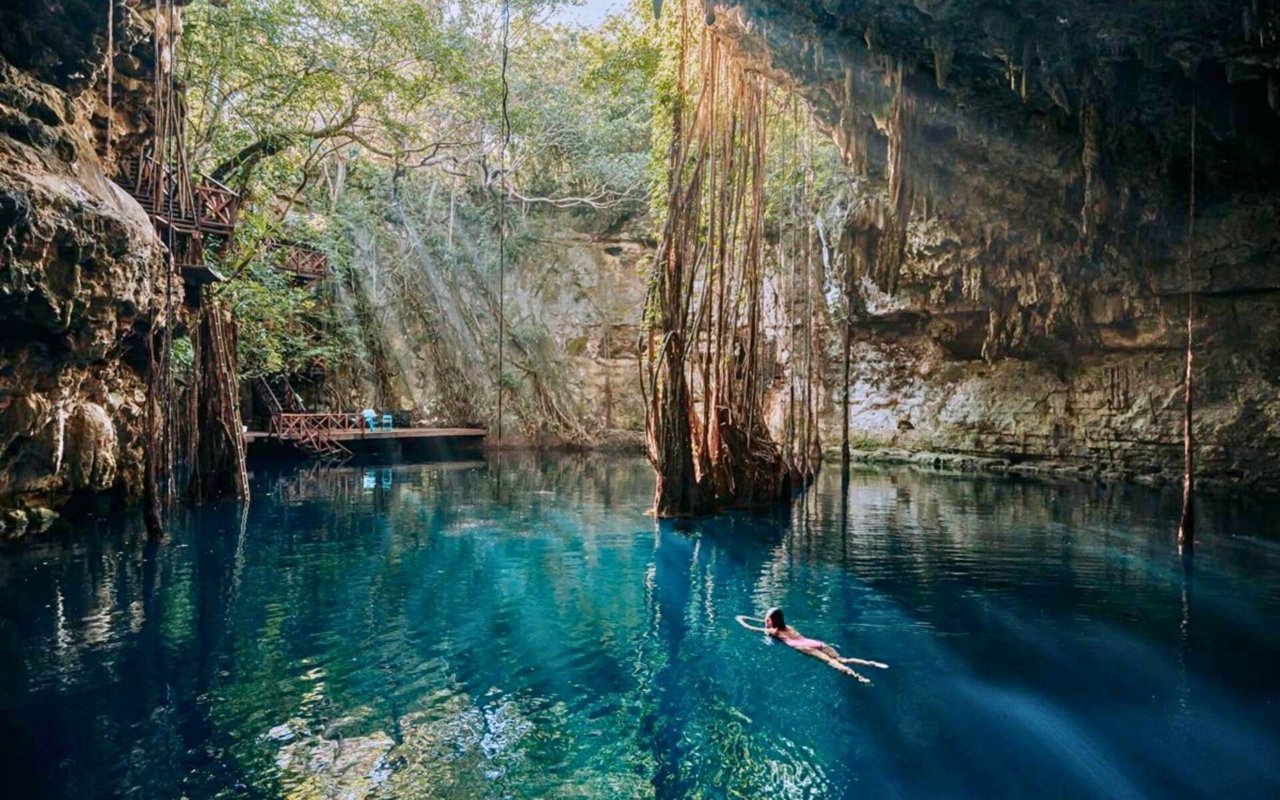
In general, renting a car from Mérida is recommended to explore the surrounding area at your own pace and enjoy greater mobility, especially when visiting the cenotes—these water-filled sinkholes with ever-changing colors. Theses numerous and unique geological features of the Yucatán Peninsula, the cenotes are located a short distance from Mérida. Although some are reserved for professional divers, most are accessible to swimmers and offer an extraordinary swimming setting for a relaxing day.


A Visit to Izamal, the Yellow City
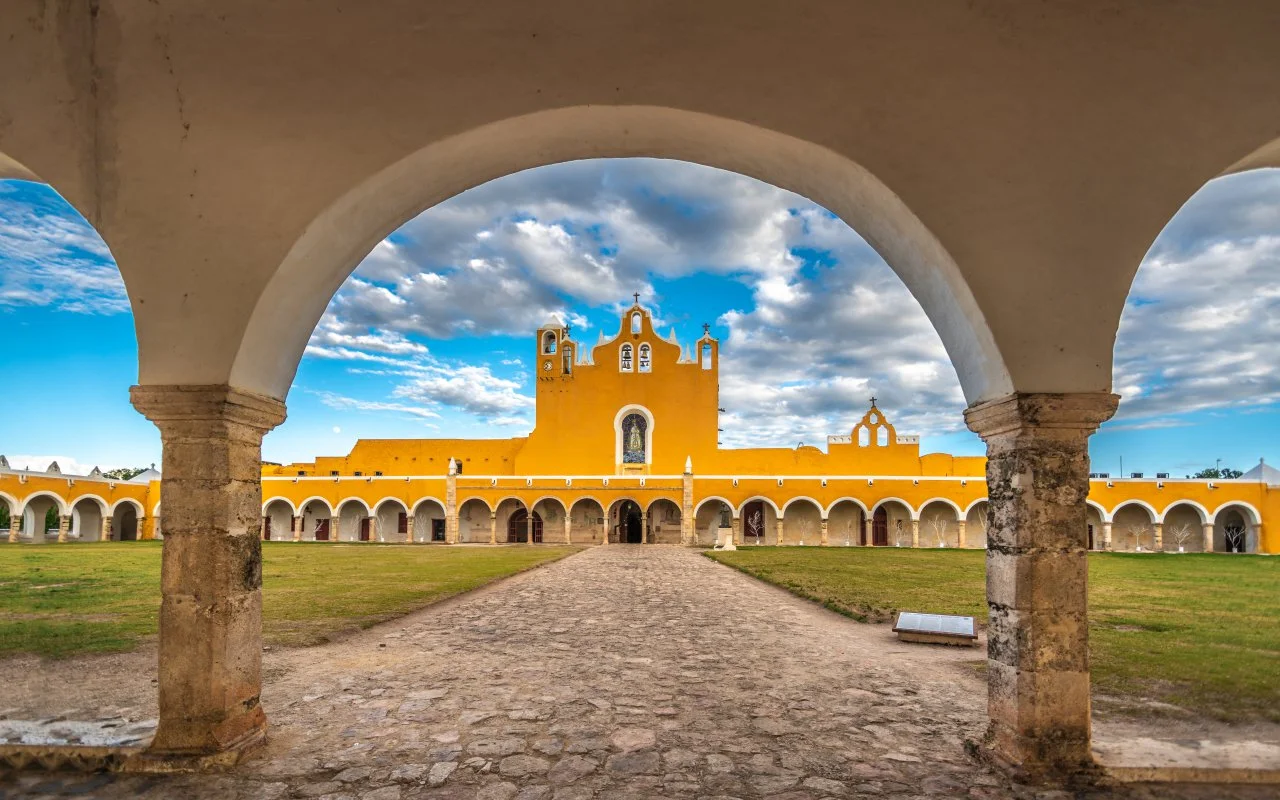
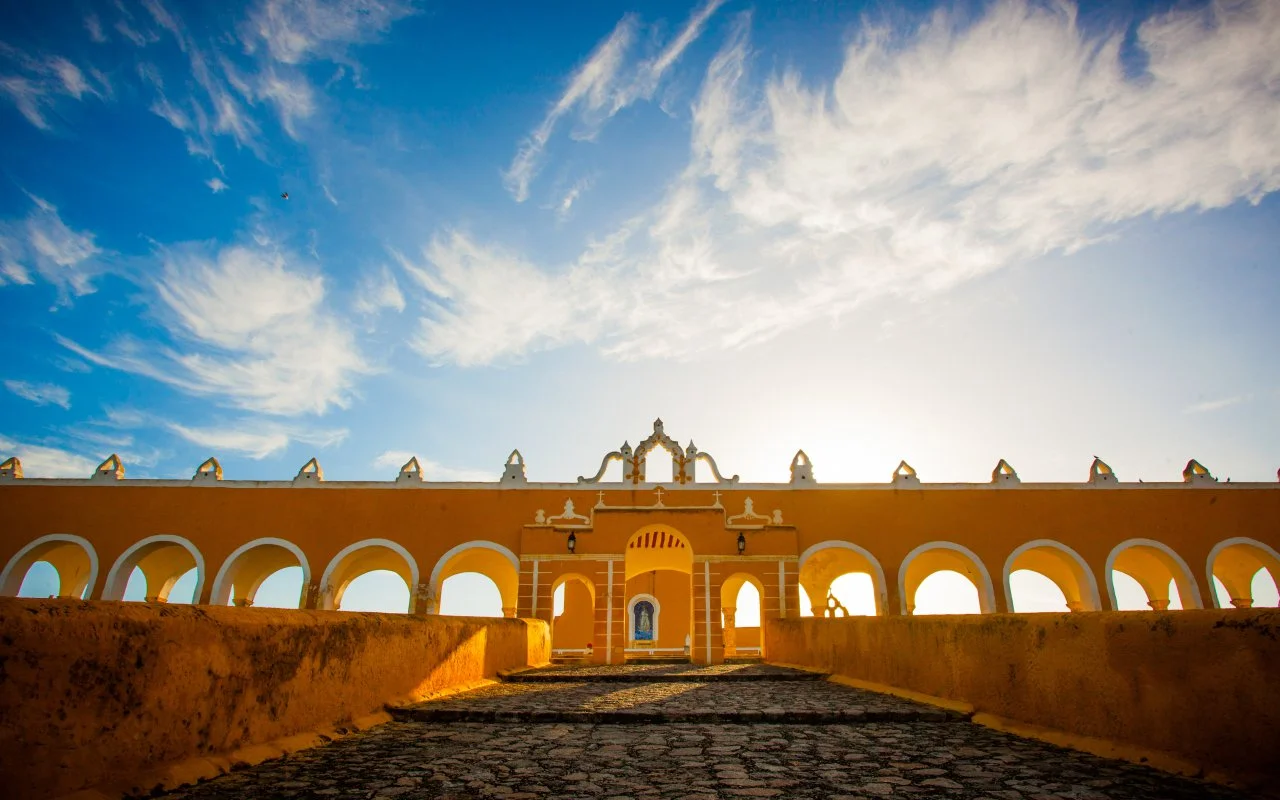
Located 72 km east of Mérida, Izamal known as “the Yellow City” is a small colonial town not to be missed. Its nickname comes from the ochre color that covers all the buildings in the town center. Relatively off the beaten path of conventional tourist routes, this town of barely 15,000 inhabitants retains its own unique and authentic charm. Like Mérida, it was built on ancient Mayan ruins. The imposing Kinich Kak-Mó pyramid, which rises 10 levels high, can be climbed by the most adventurous. Another site of interest in the town is the Convent of Saint Anthony of Padua, which possesses the largest atrium after the Vatican. The complex, also painted yellow, is striking. Izamal is also renowned for its crafts, and the town center is full of artisan workshops waiting to be discovered. Mayan traditions remain very much alive: 50% of the residents speak a Mayan language as their mother tongue, and street signs are in both languages.
Another possible excursion, especially for nature lovers, is Celestún, an isolated village located on the coast about an hour’s drive west of Mérida. This remote spot, with its “end-of-the-world” atmosphere, is a bird sanctuary home to some 200 species of birds. From the tourist pier, you can board a boat with a local fisherman to observe colonies of flamingos along the mangrove fringes. The beach, while not exceptional, has the advantage of being completely deserted!
Ideally located, fascinating, and vibrant, with unmistakable charm, Mérida is a city where everyone will find something to enjoy, from gastronomy and culture to history and a variety of activities. It is a prime destination for discovering all the treasures the Yucatán Peninsula has to offer.