Choosing the right mode of transportation in Mexico directly affects the quality of your trip. The country is vast, distances can be long, and local conditions vary a lot between Mexico City, the Yucatán Peninsula, Oaxaca, Chiapas, Baja California Sur, and the Barrancas del Cobre. For a tailor-made trip, it’s not just about getting from one place to another, but about maintaining the pace, comfort, and safety at every stage.
Which transportation option should you choose in Mexico?
| Mode of transportation | Ideal for | Benefits | Limits | Terra Maya Advice |
|---|---|---|---|---|
| Rental Car | Road trip through the Yucatán Peninsula, Oaxaca, Chiapas, and Baja California Sur | Freedom, your own pace, access to less crowded spots | Traffic stops, avoid driving at night in certain areas | Ideal for a customized and budget-friendly trip |
| Private driver | Airport transfers, extended tours | Comfort, safety, and a stress-free driving experience | Higher cost | Recommended for Mexico City and for travelers seeking superior comfort |
| Mexico Subway | Simple urban travel in Mexico City | Extensive network, very low price | Not ideal for those with luggage or during rush hour | Great for independent travelers and backpackers |
| Taxi | Simple urban trips | Easy to book, with clear pricing available via the app | Street taxis should be approached with caution | Choose between Uber, Didi, a hotel taxi, or a private driver |
| Colectivos | Short local trips | Very affordable, a chance to experience daily life | No set schedule, limited comfort, departs when the vehicle is full | For independent travelers only |
| Airplane | Long distances | Saves time, numerous connections | Comfort varies by airline; baggage fees | Relevant for remote regions: Cancún–Mexico City, Mexico City–Chiapas, Oaxaca–Baja |
| ADO Buses | Long journeys, especially by night bus | Modern, comfortable, with many departure times | Travel time can sometimes be long | A good choice between Cancún, Mérida, Tulum, Oaxaca, or Tuxtla, for example |
| Tren Maya | Yucatán Peninsula | A recent rail alternative | Stations that are sometimes far apart, limited service, and transfers required | To be included on an ad hoc basis |
| El Chepe | Barrancas del Cobre | A unique rail experience in Mexico | A detailed itinerary | Ideal for a cultural tour that can be combined with a trip to Baja California |
By Car
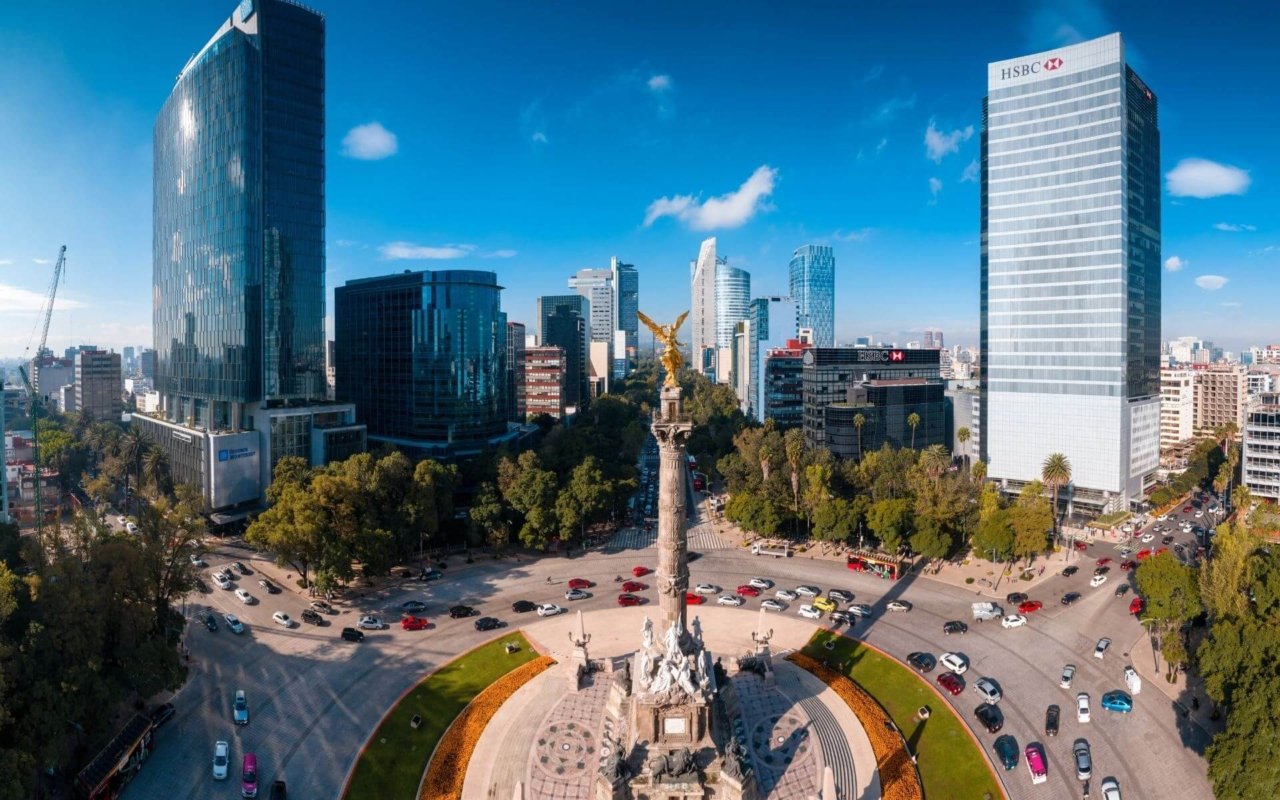
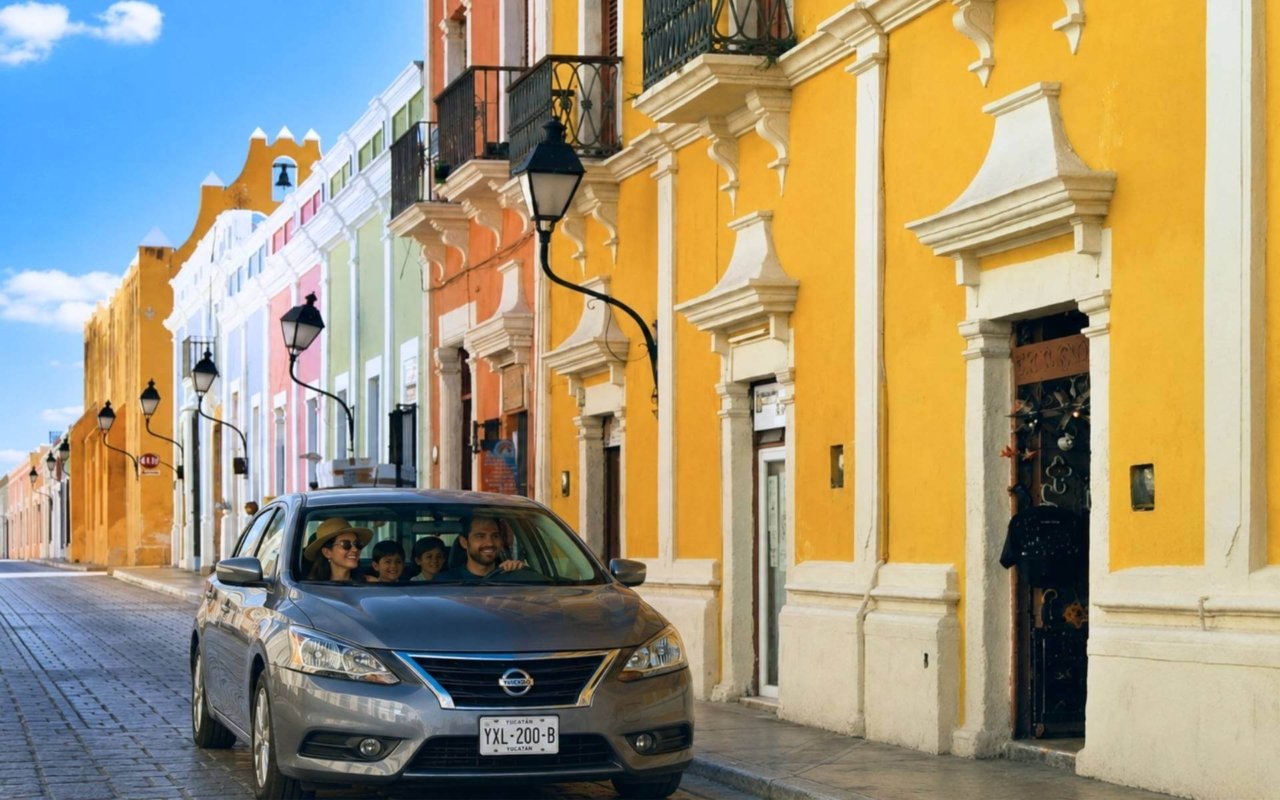
Traveling by car is the most economical option, but more importantly, it allows you to explore Mexico at your own pace, with the exception of the capital. Mexico City is very crowded and has heavy traffic, so we recommend using public transportation or hiring a private driver.
💡The french driving license is recognized, an international driver’s permit is not required.
A full tank of gas costs between 1,000 and 2,000 pesos, depending on your vehicle’s fuel consumption. (2026)
Watch out for speed bumps: they’re everywhere, especially at the entrances and exits of towns; if you’re not careful, you might damage your shock absorbers! As in France, you’ll find two types of roads: the cuotas, which are toll highways in very good condition, and the free roads, which are free but slower since you often pass through many villages; they may also be in poorer condition than the cuotas. However, these roads allow you to get out of the big cities, discover local life, small villages, and the various shops found there.
It is important to check the documents for your hire car; make sure you always have the registration document and car insurance with you, as there are frequent security checks on Mexican roads.
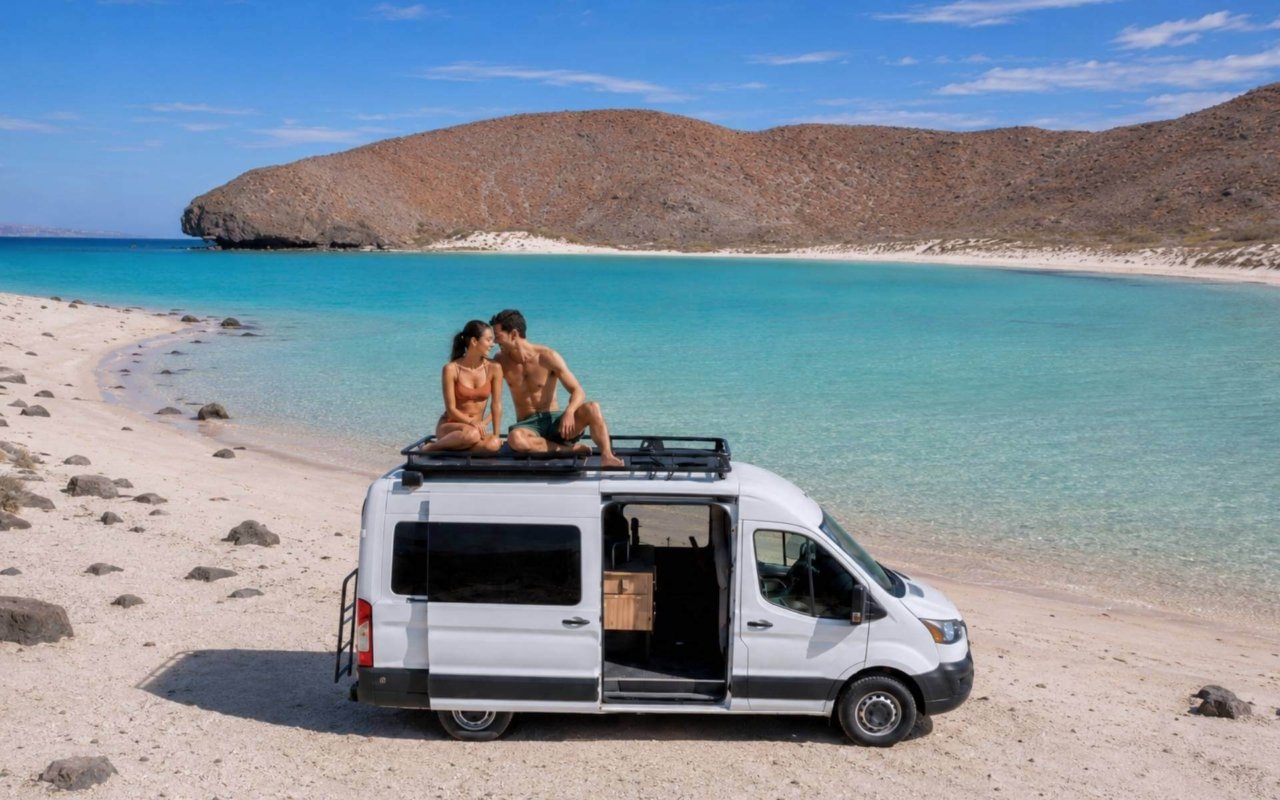
There are many lovely destinations to explore by car, such as Baja California Sur, Oaxaca and the Yucatán Peninsula. Journeys do not exceed three hours, with the exception of certain stages of some tours.
Taxis
This mode of transport is widely used and easily accessible, particularly in large cities. You can hail a taxi directly in the street or ask your hotel to arrange one for you. Be sure to ask for the fare before getting in the taxi – watch out for scams! It’s best to take a taxi with a meter so you can keep track of the fare throughout the journey.
Flying
This is the most common way to cover long distances and offers very competitive fares. Aeroméxico, Volaris and Viva Aerobus are the main airlines operating between the country’s 80 airports. The latter two offer low-cost fares with basic comfort (similar to EasyJet or Ryanair). For example, a flight from Cancún to Mexico City takes around 2 hours 30 minutes. To travel from Mexico City to Chiapas, allow an average of 1 hour 30 minutes.
We recommend using VTC apps for safety reasons and to ensure reliability in the prices offered by drivers. You’ll find Uber and Didi in all the destinations we offer, at more affordable rates than traditional taxis.
The metro
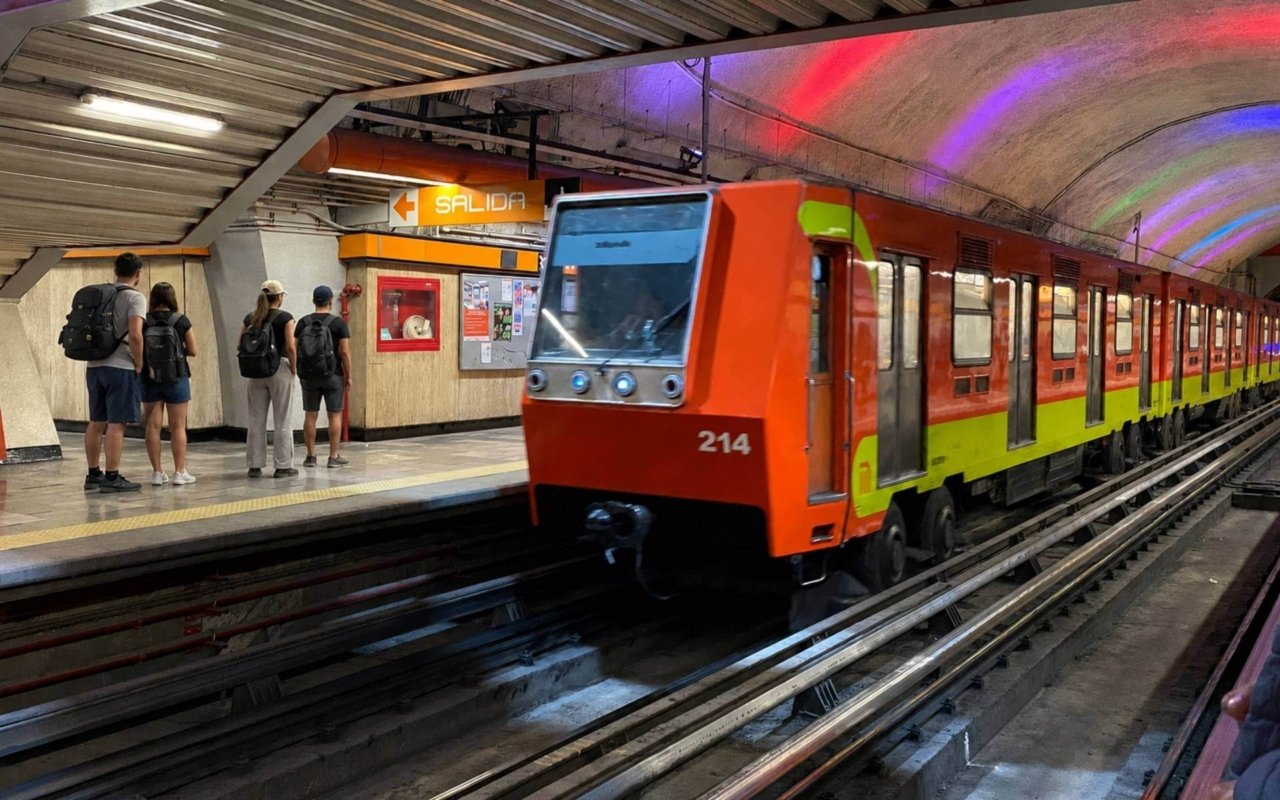
The Mexico City metro is one of the most popular ways to get around the capital. The network has 12 lines, 195 stations and 226 km of track. The official price is 5 pesos per journey, making it a very affordable option. (2026)
For independent travellers, it can be convenient for certain easy journeys. However, for those seeking comfort, it is preferable to opt for a private driver.
Collectivos
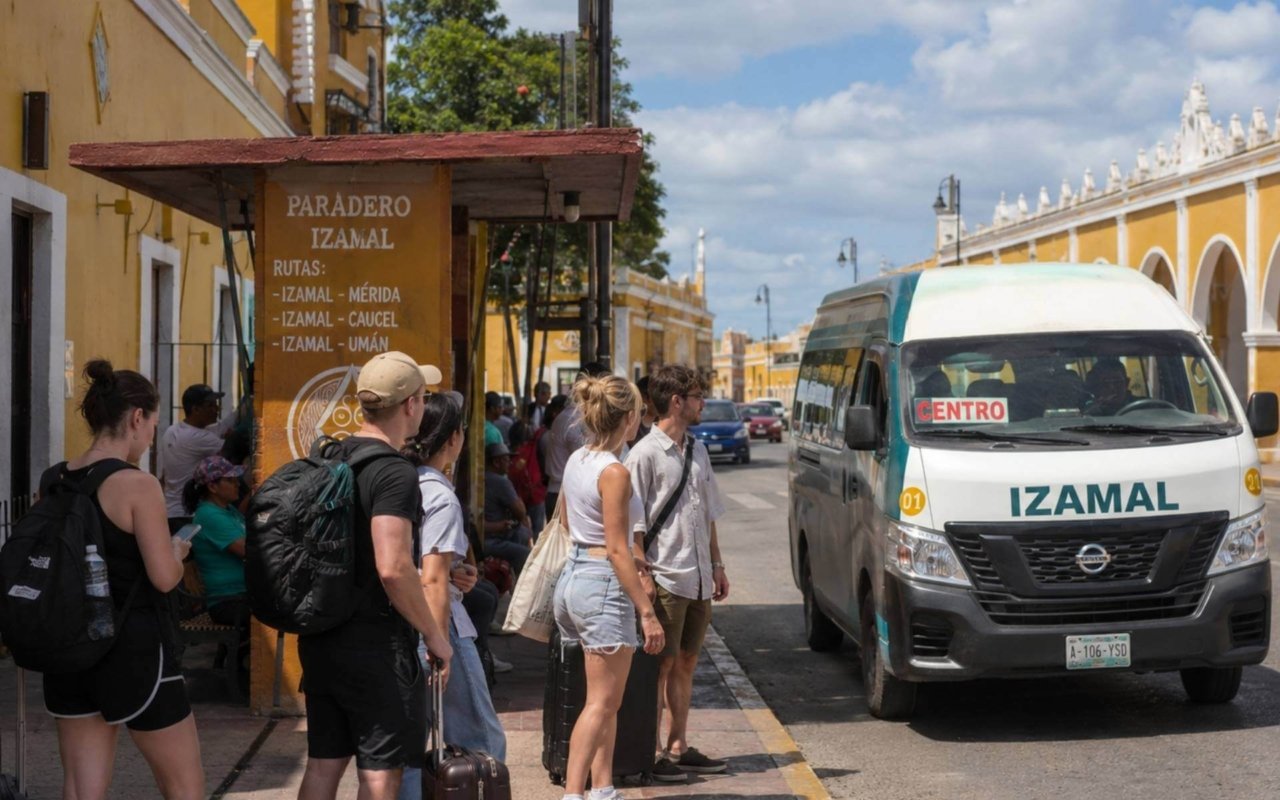
Colectivos are an integral part of everyday transport in Mexico, offering a more economical way to get around. They cover short distances, up to a maximum of 100 kilometres, and do not run to a fixed timetable; you set off once the colectivo is full.
ADO buses
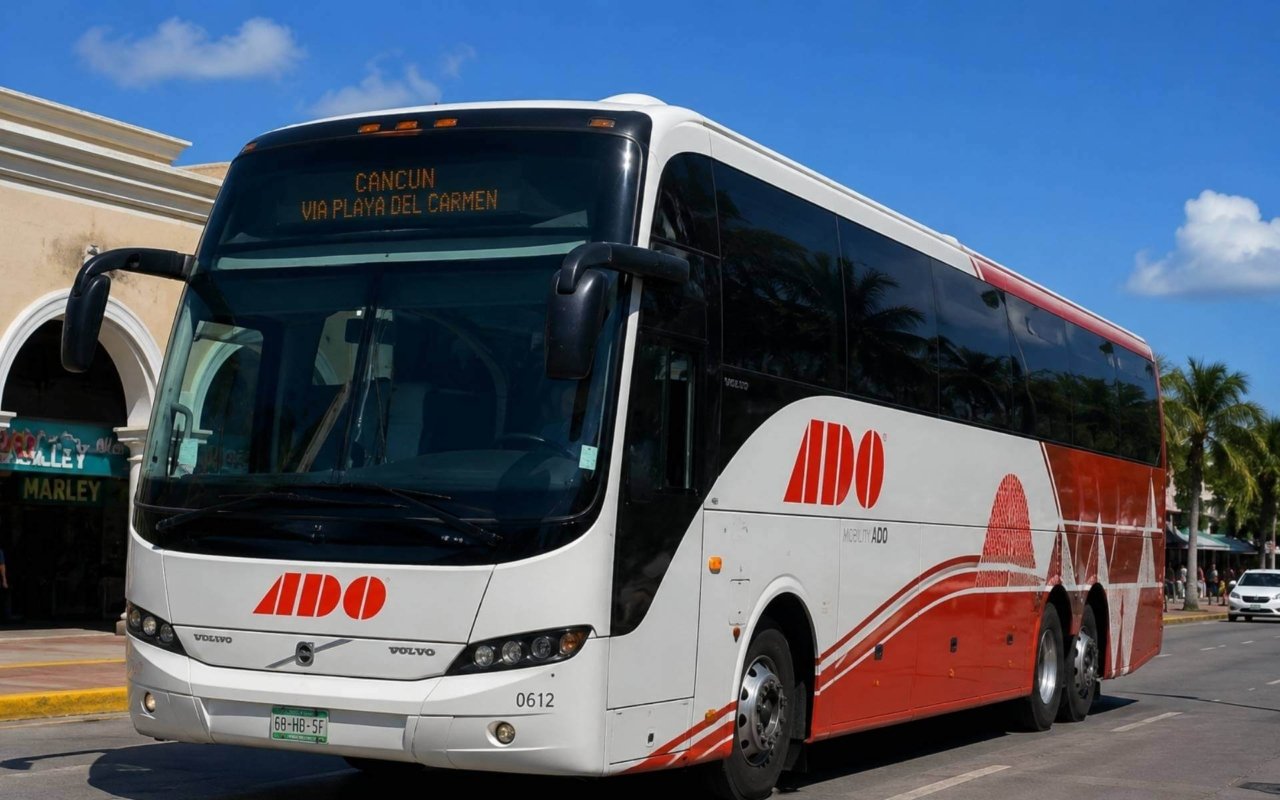
They offer a great way to travel around Mexico, mainly in the south of the country and on the Yucatan Peninsula. The buses efficiently connect major cities such as Cancun, Mérida and Oaxaca, as well as smaller towns.
They are modern and comfortable and run frequently, both day and night. Prices average between 300 and 700 pesos, and can even exceed 1,000 pesos for long journeys. (2026)


The Tren Maya
This new train serving the Yucatan Peninsula offers another travel option. It has been running across the entire peninsula since late 2024, traveling from Cancun, in the far east of Quintana Roo, to Palenque in northern Chiapas.
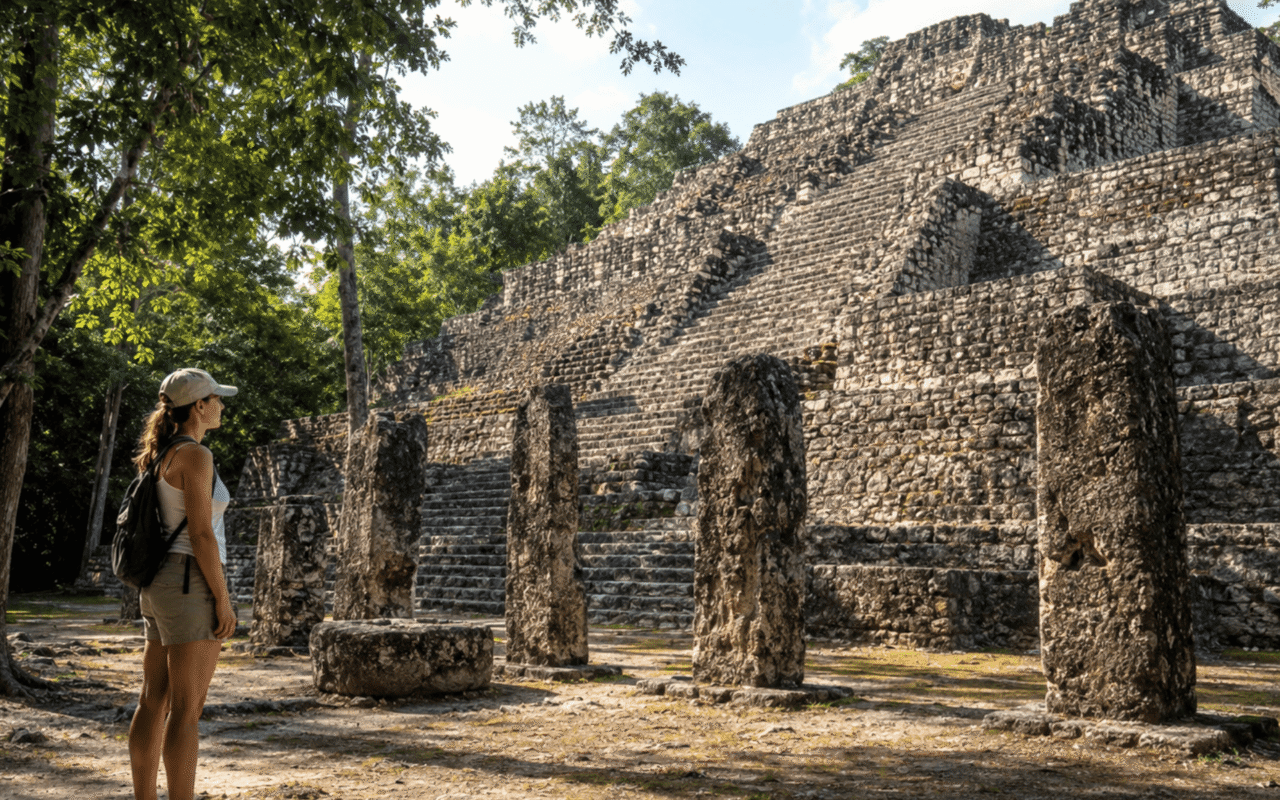
It offers two classes, allowing you to choose based on your budget and comfort preferences. With 1,500 kilometers of road, you’ll have the chance to admire beautiful landscapes along the way. This train allows you to reach certain archaeological sites like Chichen Itza or Calakmul, as well as numerous colonial towns.
However, the Maya train is not the best option for a customized trip; schedules are irregular and infrequent (two trips per day), and travel times are similar to those of buses, which offer more reasonable prices. The stations are not located in city centers or tourist areas. You will therefore need to take additional transportation, whether public or private.
Want to explore Mexico by train? El Chepe is waiting for you ! This train connects the cities of Chihuahua and Los Mochis, crossing the Sierra Madre and the impressive Barrancas del Cobre, a series of spectacular canyons. The route includes strategic stops that allow you to experience local cultures and get a closer look at these breathtaking landscapes.

Is it safe to travel with a car in Mexico?
Yes, in the regions we recommend for a road trip, the roads are usually well-marked. On the Yucatán Peninsula, there is a strong police presence on many major roads. When you reach a checkpoint, simply slow down, roll down your window, and wait for instructions from the officers. These checks are common and usually go quickly if your vehicle documents are in order.
Is it easy to follow the routes using Google Maps or Waze?
Yes, generally. Google Maps and Waze work well in most tourist areas of Mexico. However, cell service coverage can be spotty in some rural or remote areas. We therefore recommend downloading offline maps before departure and purchasing a local SIM card or an eSIM with mobile data.
Is the Tren Maya a good option for a custom trip?
The Tren Maya can be a good option for certain stops on the Yucatán Peninsula, particularly around Mérida, Chichén Itzá, Campeche, Bacalar, or Palenque. For a custom trip, however, it should be incorporated with caution, as stations aren’t always close to points of interest and schedules may limit the flexibility of your itinerary.
Are ADO buses comfortable?
Yes, ADO buses are generally modern and comfortable, especially in the higher-end categories like ADO GL or ADO Platino. They are well-suited for direct trips to southern Mexico and the Yucatán, but offer less flexibility than a private transfer.