By Adelind Chambrier, general manager of Terra Maya, a local travel agency based in Mérida. Updated November 24, 2026.
In short:
- The best time to visit Mexico is November to April, during the dry season shared by most regions.
- February is the only month when Mexico City, Cancún, Mérida, Oaxaca, San Cristóbal and La Paz all get less than 45 mm of rain, according to the National Meteorological Service (SMN).
- From June to September, the rainy season brings mostly late-day showers to central and southern Mexico. The coasts remain exposed to hurricanes until November 30.
- Some trips are timed around a natural or cultural event: monarch butterflies (late November to March), gray whales (mid-December to April), whale sharks (mid-May to mid-September), Day of the Dead (late October to early November).
The best time to visit Mexico depends first on where you are going. The Tropic of Cancer crosses the country: the north has a dry climate with marked contrasts, the south a tropical climate with two seasons. Altitude matters as much as latitude, since Mexico City sits at about 2,240 m.
This guide combines SMN climate normals, official calendars from CONANP (Mexico’s National Commission of Protected Natural Areas) and the field experience of the Terra Maya team, based in Mérida since 2006.
When is the best time to visit Mexico?
The dry season, from November to April, offers the most stable conditions across almost the whole country. Rain is rare, roads are passable everywhere and archaeological sites can be visited under clear skies.
Mexico does not follow four seasons but two:
- Dry season (November to April, sometimes May): little rainfall, cool nights at altitude, dry heat on the coasts.
- Rainy season (June to September, until October on the Caribbean coast): showers often concentrated in the late afternoon, green landscapes, humid heat along the coast.
Regional differences are large. Cancún receives an average of 1,295 mm of rain a year, compared with 185 mm in La Paz, Baja California Sur. Mexico City rarely exceeds 27 °C during the day, while Mérida stays above 30 °C all year.
For detailed temperature and rainfall data, see our page on Mexico’s climate and rainy season.

When to visit Mexico by region
The answer changes from one region to another. The table below summarizes the recommended periods, based on SMN 1991-2020 climate normals (1951-2010 for Mérida).
| Region | Best time | Avoid or plan carefully | Climate benchmarks |
|---|---|---|---|
| Yucatán and Riviera Maya (Mérida, Cancún) | November to April | September and October (peak rainfall in Cancún, 223 to 242 mm); May to September for sargassum | Cancún: 28.5 °C max in January, 34.2 °C in August. Mérida: 36.3 °C max in May |
| Mexico City and the highlands | Late October to May | June to September: 132 to 176 mm a month and 16 to 22 rainy days | 22 to 27 °C max; 8.5 °C min in January |
| Oaxaca | November to April, July for the Guelaguetza | June to September: 119 to 188 mm a month | 29 to 35 °C max; 10.3 °C min in January |
| Chiapas (San Cristóbal de las Casas) | November to April | May to October: up to 235 mm in June | 20 to 24 °C max; 5.1 °C min in January |
| Baja California Sur (La Paz) | November to May | July to September: 38 °C max and cyclone-related rain in August and September | 185 mm of rain a year; 25.4 °C max in January |
| Pacific coast (Oaxaca, Jalisco, Nayarit) | November to April | June to October: rainy season and eastern Pacific hurricanes (May 15 to November 30) | Hot all year at sea level |
The following sections cover each region and the details that make a difference on the ground.
Yucatán and Riviera Maya: November to April
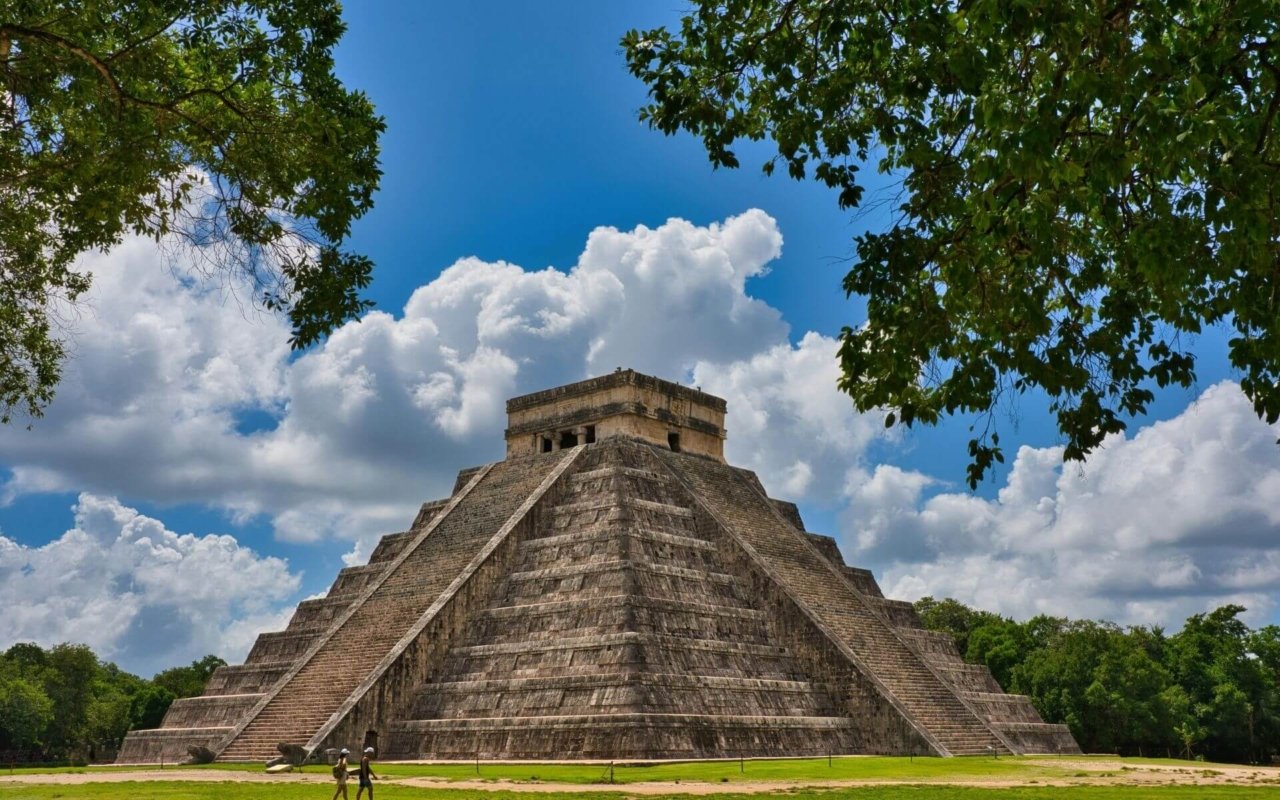
The peninsula is warm all year, but the dry season limits humidity and showers. From December to March, highs stay close to 30 °C in Cancún, and Chichén Itzá or Uxmal can be visited without overwhelming heat.
April and May are the hottest months inland: Mérida reaches an average high of 36.3 °C in May. September and October bring the most rain to Cancún, at the height of hurricane season. See our guides to Yucatán and Campeche and to Quintana Roo and the Riviera Maya.
Mexico City and central Mexico: October to May
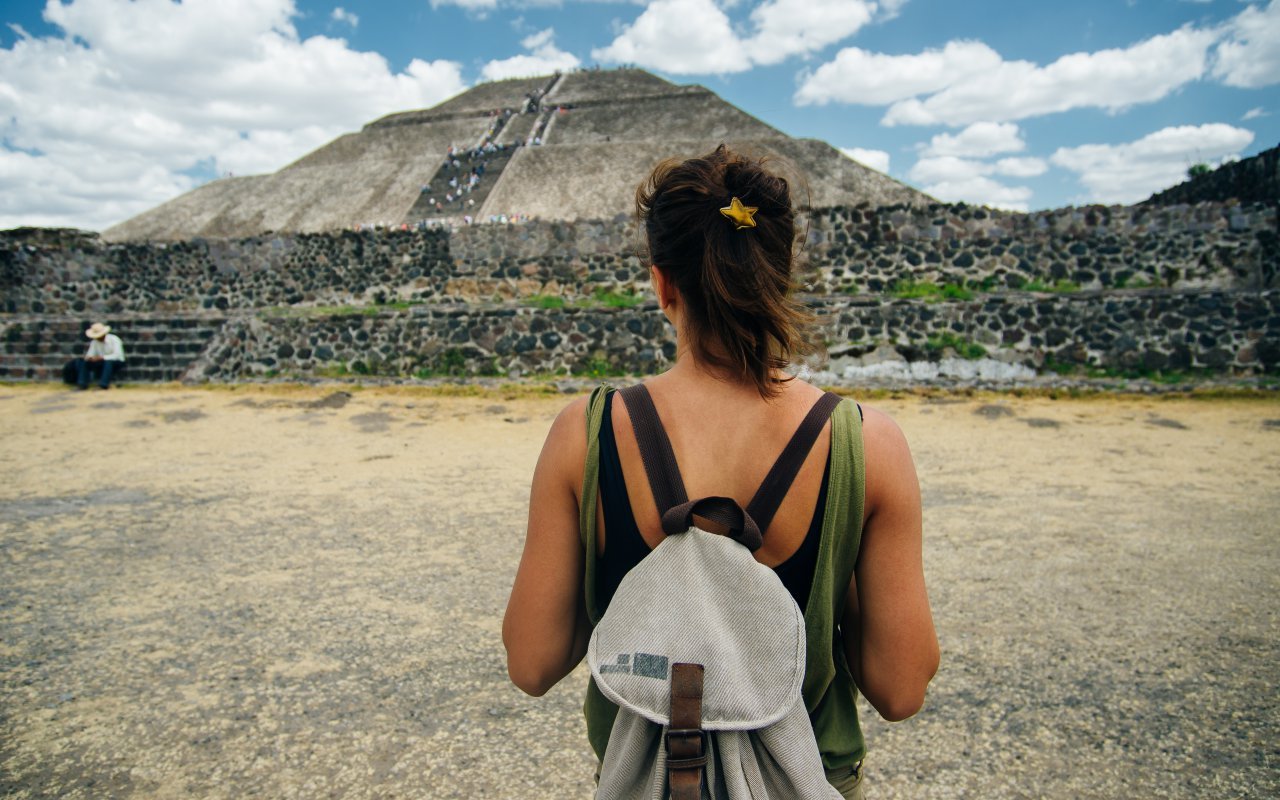
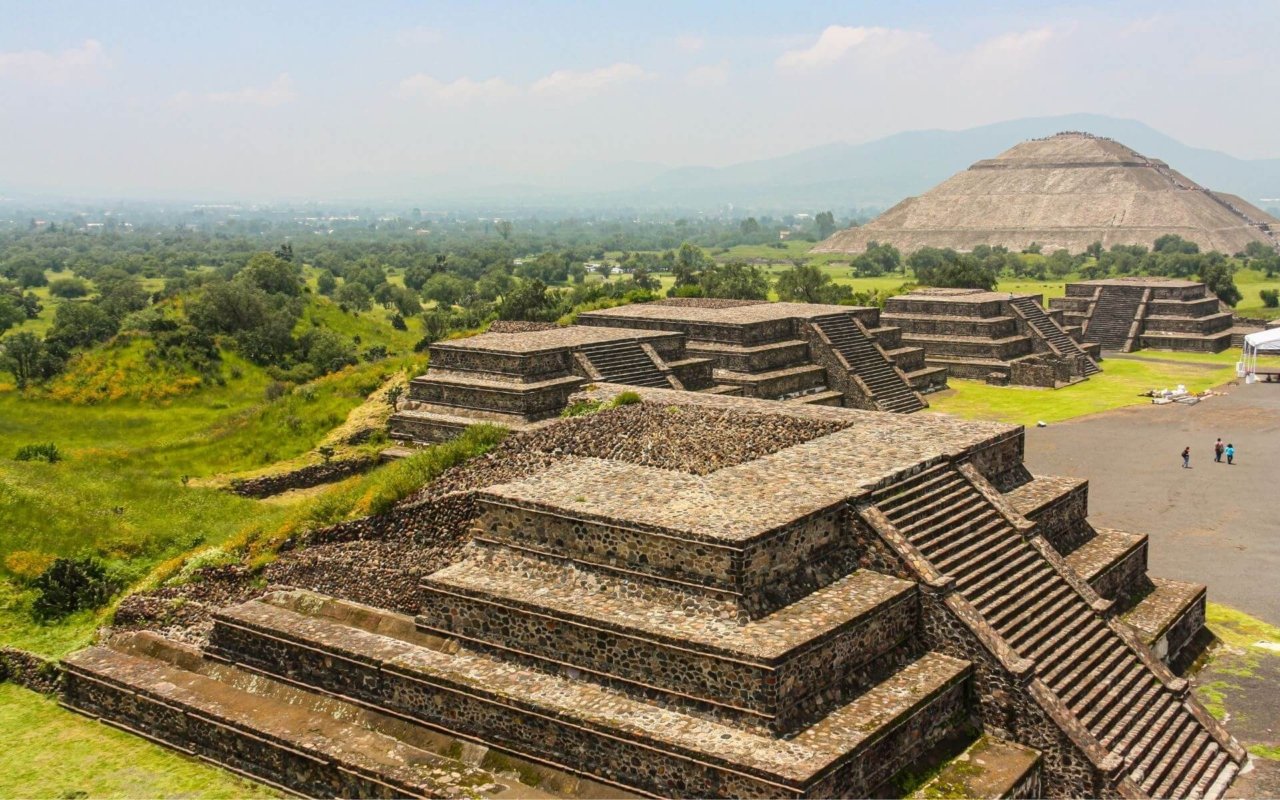
At 2,240 m, the capital enjoys mild days all year, between 22 and 27 °C. The dry season, from November to April, is the most pleasant time for Teotihuacan, Puebla or the colonial cities of the Bajío.
From June to September, Mexico City receives more than 130 mm of rain a month, with 16 to 22 rainy days. Mornings often stay dry, so plan visits early. December and January nights drop to around 8 °C. More ideas in our guide to Mexico City and its surroundings.
Oaxaca: November to April, or July
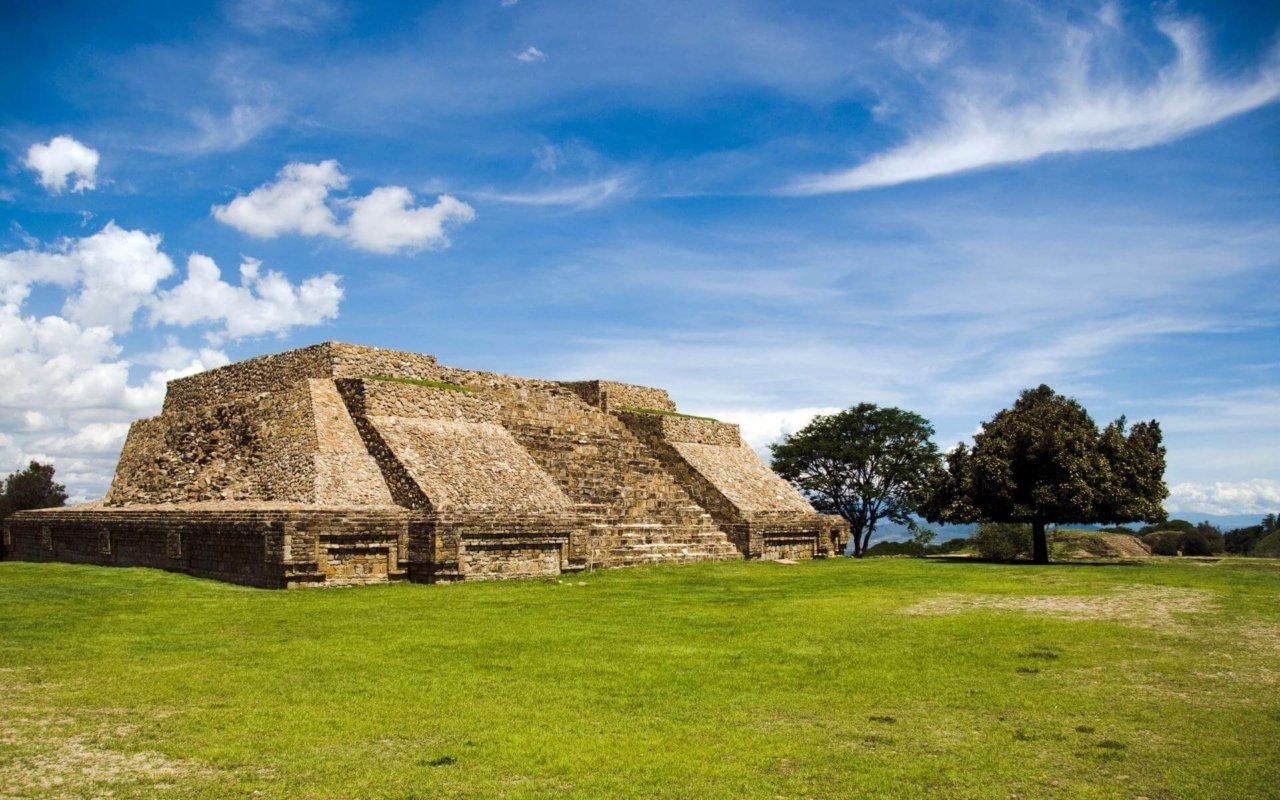
The Oaxaca valley is one of the driest areas in the country in winter: 2.4 mm of rain in January, 9 mm in November and December. Days exceed 29 °C and nights fall to around 10 °C.
July is the exception: despite the rain, the city hosts the Guelaguetza, its main festival. The Oaxaca coast, around Puerto Escondido and Mazunte, follows the Pacific coast pattern. See our guide to Puebla and Oaxaca.
Chiapas: November to April
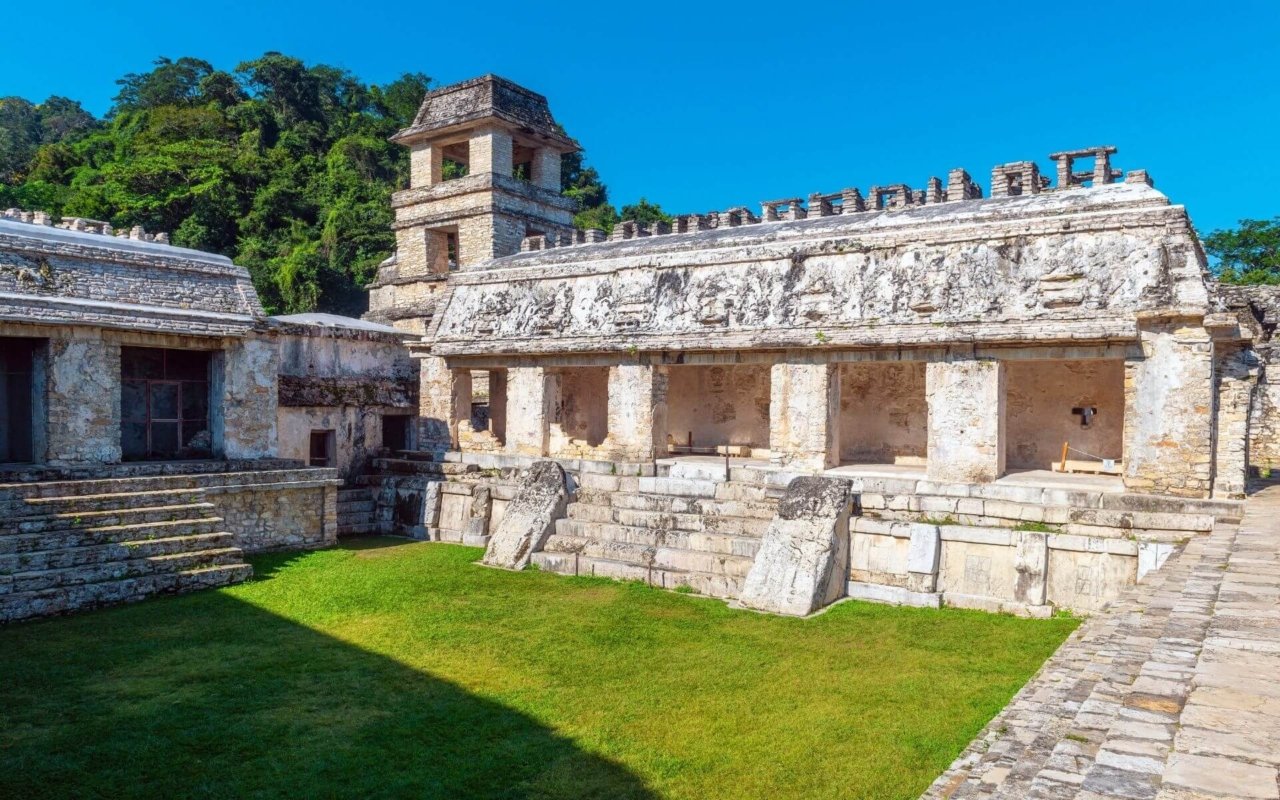
Chiapas combines cool highlands and tropical forest. In San Cristóbal de las Casas, at around 2,200 m, the rainy season runs from May to October, with 235 mm in June and 229 mm in September.
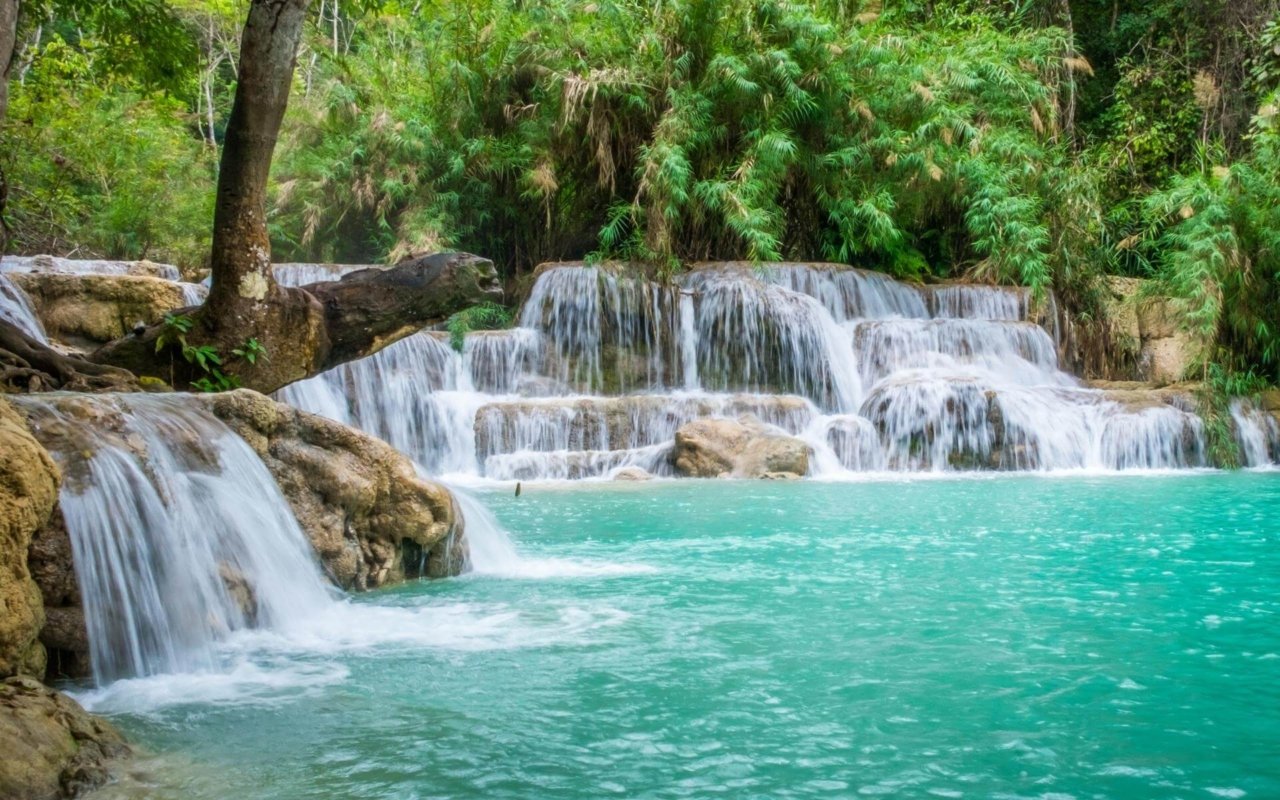
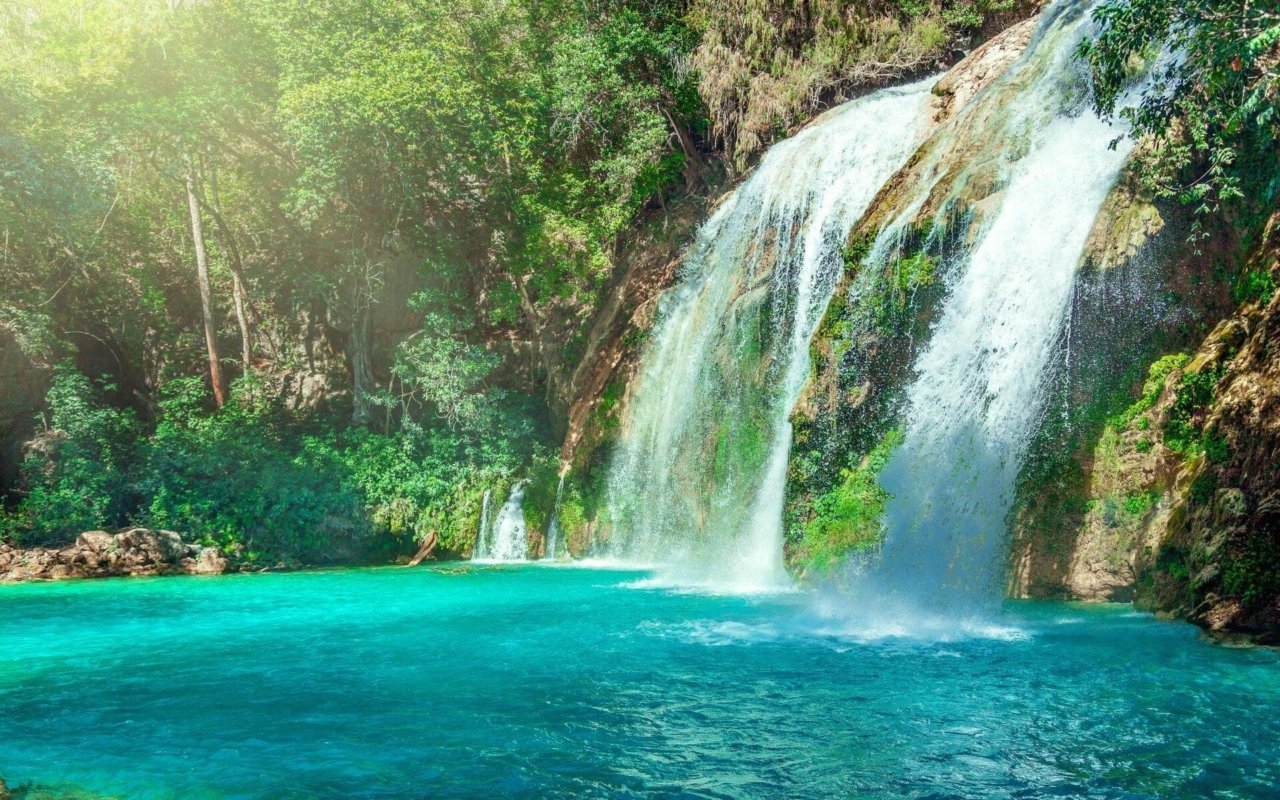
In the dry season, nights drop to around 5 °C in January, so bring a warm layer. Palenque and the Agua Azul waterfalls, at lower altitude, stay hot and humid all year. Discover our guide to Chiapas and Tabasco.
Baja California Sur: November to May
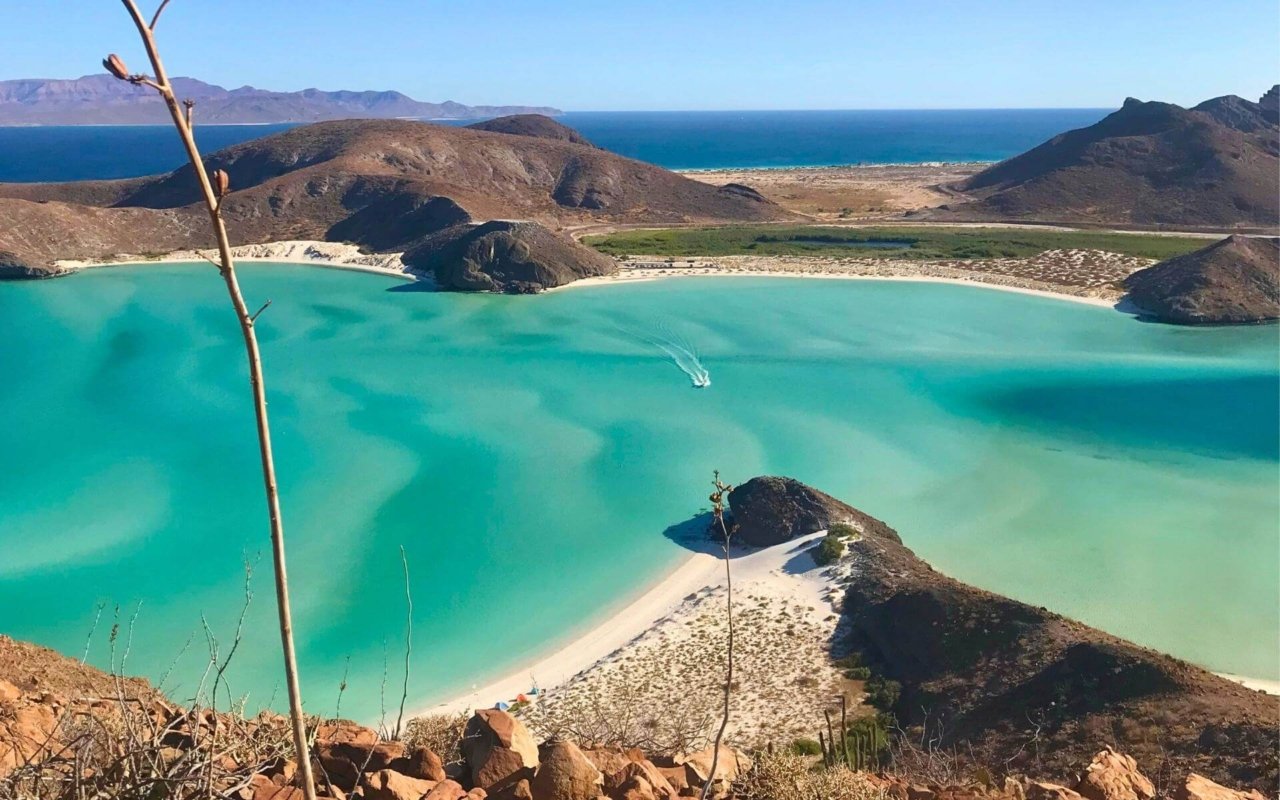
This is the driest region on a Mexico itinerary: La Paz receives 185 mm of rain a year, concentrated in August and September. From November to May, days range from 25 to 35 °C.
Summer is very hot, with an average high of 38.2 °C in July. The gray whale season, from mid-December to April, often sets the travel dates. See our guide to Baja California.
Pacific coast: November to April
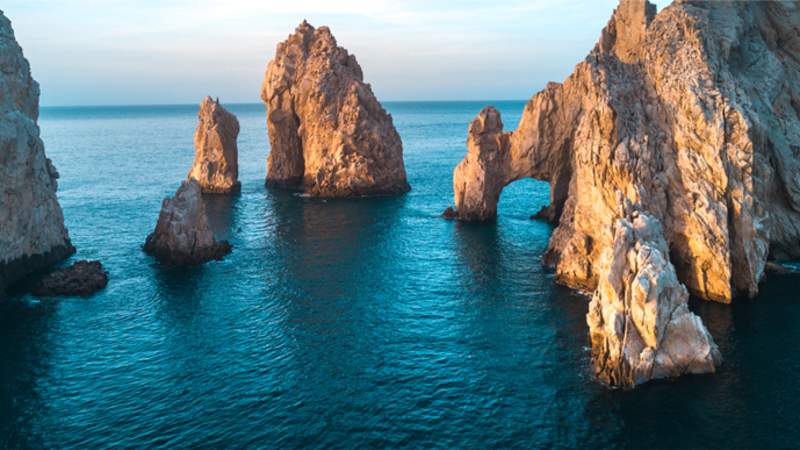
From Puerto Vallarta to Puerto Escondido, the Pacific coast has a clear dry season from November to April. The sea is warm all year and the waves draw surfers.
The eastern Pacific hurricane season starts on May 15, two weeks before the Atlantic season, and ends on November 30. Find our tips on the Pacific and west coast.
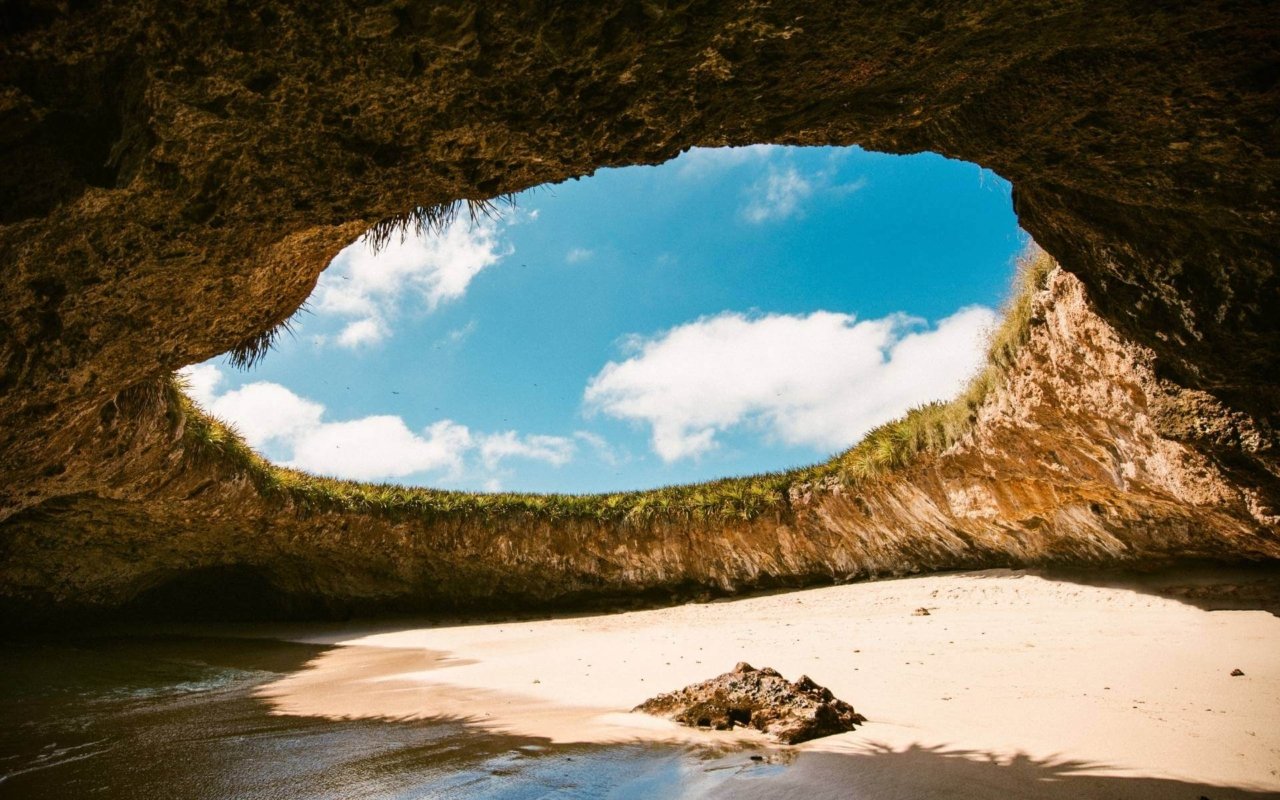
Mexico month by month: weather, regions and events
This calendar combines weather, regions to favor and events that affect crowds. Figures come from SMN normals; event dates come from official calendars published for 2026 and 2027.
| Month | Main weather | Where to go first | Wildlife, festivals and crowds |
|---|---|---|---|
| January | Dry everywhere; cool nights at altitude (8.5 °C in Mexico City, 5.1 °C in San Cristóbal) | Yucatán, Riviera Maya, Oaxaca, Baja California | Monarchs, gray whales; Mexican school holidays until January 6, 2027 |
| February | Driest month across the country | The whole country | Peak gray whale watching; monarchs |
| March | Dry; temperatures rising (34 °C in Mérida) | Mexico City, central Mexico, Chiapas, Baja California | Equinox at Chichén Itzá (March 20 or 21); Holy Week 2027 with heavy domestic travel |
| April | Hot and dry (35.6 °C in Mérida, 34.9 °C in Oaxaca) | Baja California, Mexico City, coast | End of Holy Week holidays; end of gray whale season |
| May | Peak heat in Yucatán; first rains in Chiapas | Baja California, Mexico City | Start of the Pacific hurricane season (May 15); sargassum arrives; first whale sharks |
| June | Rainy season begins in central and southern Mexico | Holbox, inland Yucatán | Whale sharks; Atlantic hurricane season from June 1 |
| July | Late-day showers (more than 20 rainy days in Mexico City) | Oaxaca, Yucatán, Holbox | Guelaguetza in Oaxaca; Mexican summer holidays from July 10, 2027 |
| August | Rain in central Mexico; 37.8 °C in La Paz | Yucatán, Chiapas, Holbox | Peak whale shark season; start of the hurricane peak |
| September | Wettest month in several regions (223 mm in Cancún) | Mexico City and colonial cities, with flexibility | Independence Day (September 15 and 16); end of whale shark season; low season |
| October | Rain decreases in central Mexico; peak in Cancún (242 mm) | Mexico City, central Mexico, Baja California | Cervantino Festival in Guanajuato; Day of the Dead preparations |
| November | Dry season returns (17 mm in Mexico City, 9 mm in Oaxaca) | The whole country | Day of the Dead; monarch sanctuaries open; hurricane season ends November 30 |
| December | Dry and cool at altitude | The whole country | Year-end high season; Mexican school holidays from December 21; gray whale season begins |
Hurricanes in Mexico: what is the risk month by month?
Mexico borders two hurricane basins. According to NOAA, the official season runs from June 1 to November 30 in the Atlantic, which includes the Caribbean Sea and the Gulf of Mexico. In the eastern Pacific, it starts on May 15.
Atlantic activity usually peaks from August to October. Over 1991-2020, the Atlantic averaged 14 named storms a year, compared with about 15 in the eastern Pacific.
What this means for your trip
- Caribbean coast (Cancún, Tulum, Holbox): September and October combine peak rainfall and hurricane risk.
- Pacific coast and Baja California: stay alert from June to October, with cyclone-related rain in August and September in La Paz.
- Mexico City, Oaxaca, inland Chiapas: cyclones mostly bring a few days of heavier rain.
A hurricane season does not mean a hurricane will hit your destination. Each system affects a limited area for a few days. For coastal trips between August and October, cancellation insurance and a flexible itinerary are recommended.
For 2026, NOAA forecast a probably below-normal Atlantic season (55% chance), but above-normal activity in the eastern Pacific (70% chance), driven by El Niño.
Sargassum: which months to avoid on the Caribbean coast?
Sargassum is a floating brown seaweed that washes up on the Quintana Roo coast, from Cancún to Mahahual. According to the Red de Monitoreo del Sargazo, the largest arrivals occur from May to July, often continuing until September.
The phenomenon has intensified. In 2026, the first landings arrived as early as January, and the season was expected to be among the most intense since 2015. The safest months remain those when the sea cools, from October to February.
How to plan around sargassum
- Check the map published by the Red de Monitoreo del Sargazo, which rates around 140 beaches with a color code.
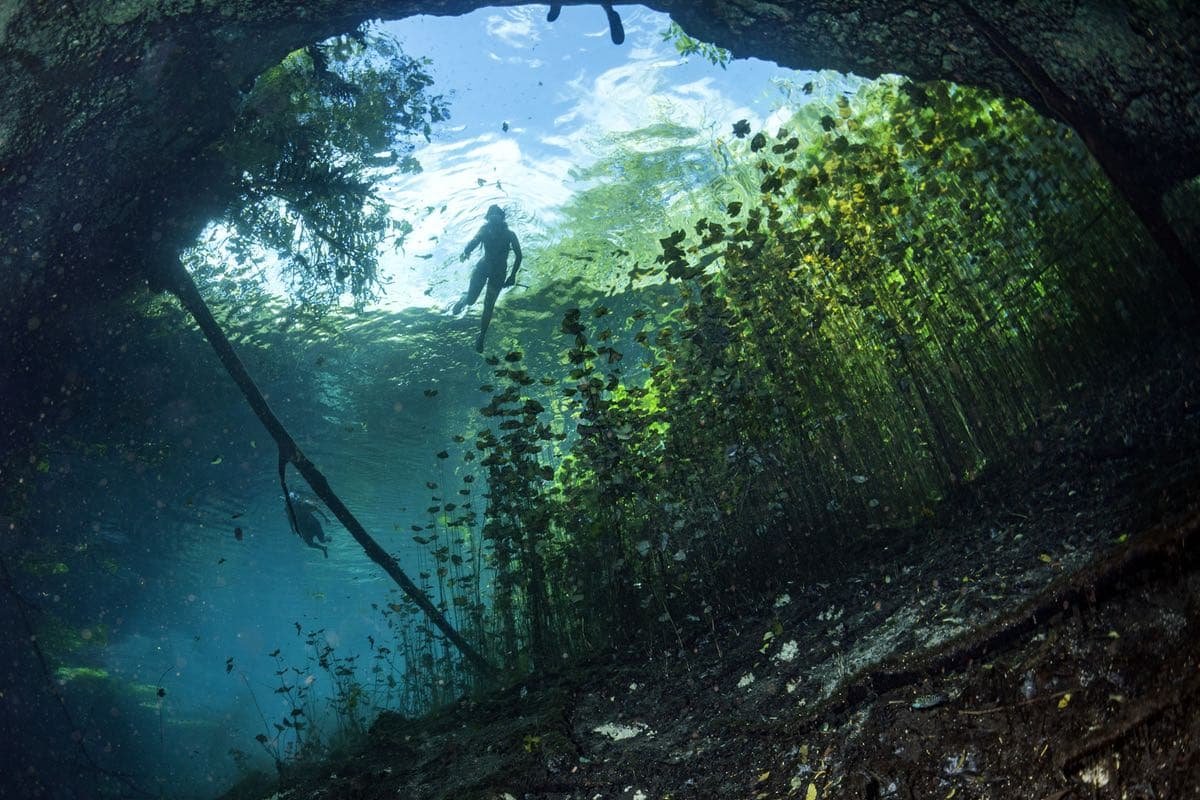
- For a beach stay between May and September, plan alternatives: cenotes, Bacalar lagoon, or Holbox island, which remained clear in early summer 2026 according to local press.
- Choose accommodation close to several beaches rather than a single beach hotel.
When to see wildlife in Mexico
Three natural events often set the travel dates. Their seasons are regulated by CONANP, which issues the watching permits.
| Species | Where | Official season | Best time |
|---|---|---|---|
| Monarch butterflies | Sanctuaries in Michoacán and the State of Mexico | Mid-November to late March | February and March, when colonies are most active. Opening announced for November 20 for 2026-2027 |
| Gray whales | Baja California Sur lagoons (Ojo de Liebre, San Ignacio, Bahía Magdalena) | December 15 to April | Mid-February to mid-March |
| Whale sharks | Holbox and Isla Mujeres | Mid-May to mid-September | July and August |
Monarchs migrate from Canada and the United States to winter in the fir forests of central Mexico. Gray whales come to give birth in the lagoons of Baja California Sur. Read about the region’s marine life in our article on diving, nature and culture in Baja California Sur.
In Holbox, the whale shark watching permits issued by CONANP ended on September 17 in 2025.
Which festivals can help you choose your dates?
Several festivals justify traveling on specific dates. They also increase crowds and prices locally.
- Day of the Dead (late October and early November): inscribed by UNESCO as Intangible Cultural Heritage in 2008, the festival marks the end of the annual maize cycle. Read our article on the Day of the Dead.
- Guelaguetza (July): in Oaxaca, the Lunes del Cerro take place on the two Mondays after July 16, which were July 20 and 27 in 2026.
- Holy Week (March or April): in 2027, Easter falls on March 28. Mexican school holidays cover late March and early April, so book early.
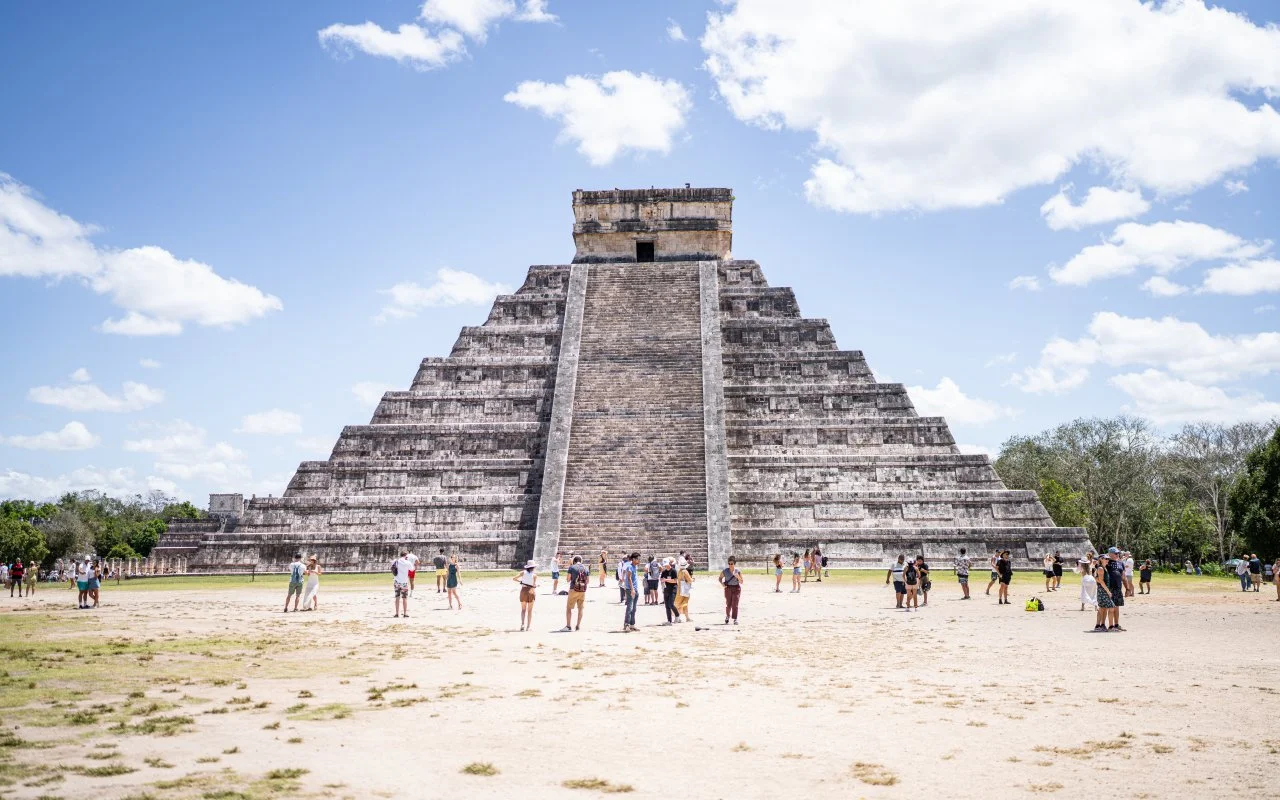
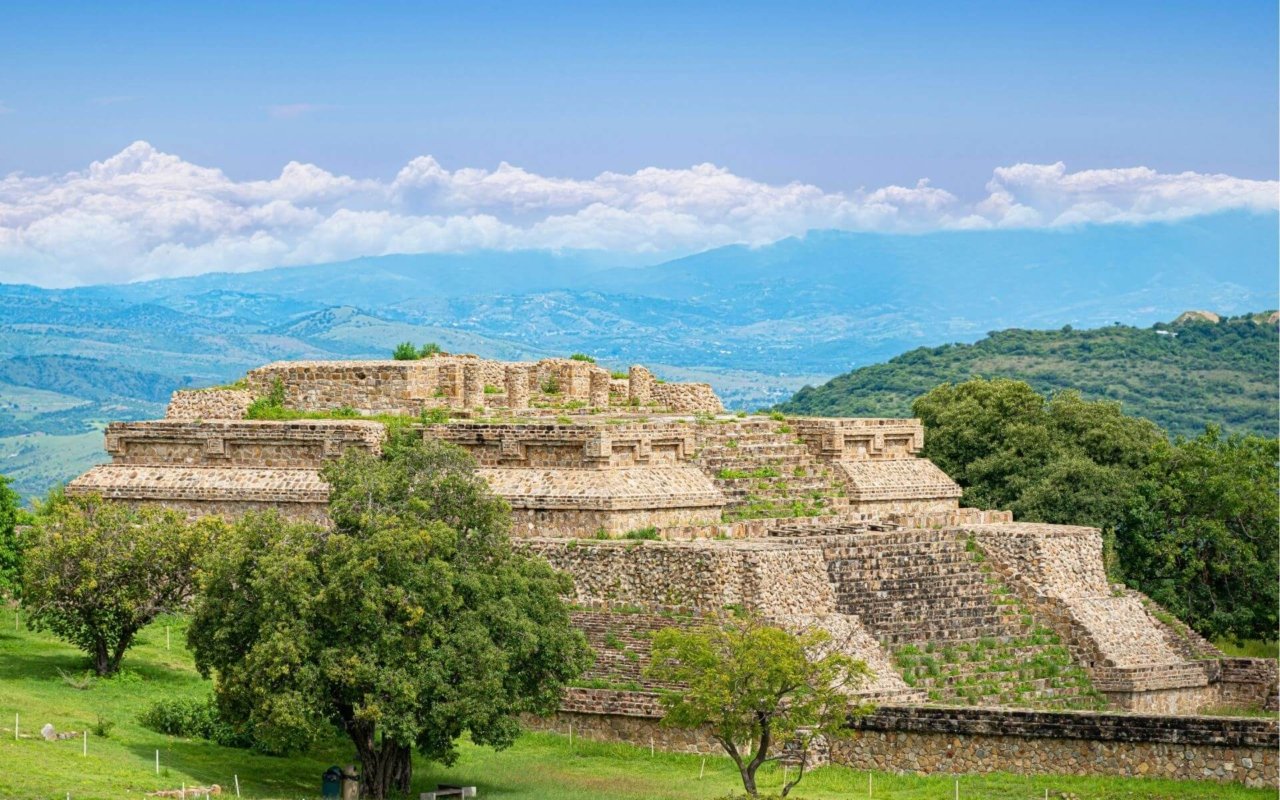
- Spring equinox (March 20 or 21): at Chichén Itzá, the play of shadow on the Castillo staircase evokes the descent of the feathered serpent.
- Independence Day (September 15 and 16): the Grito draws crowds to main squares across the country.
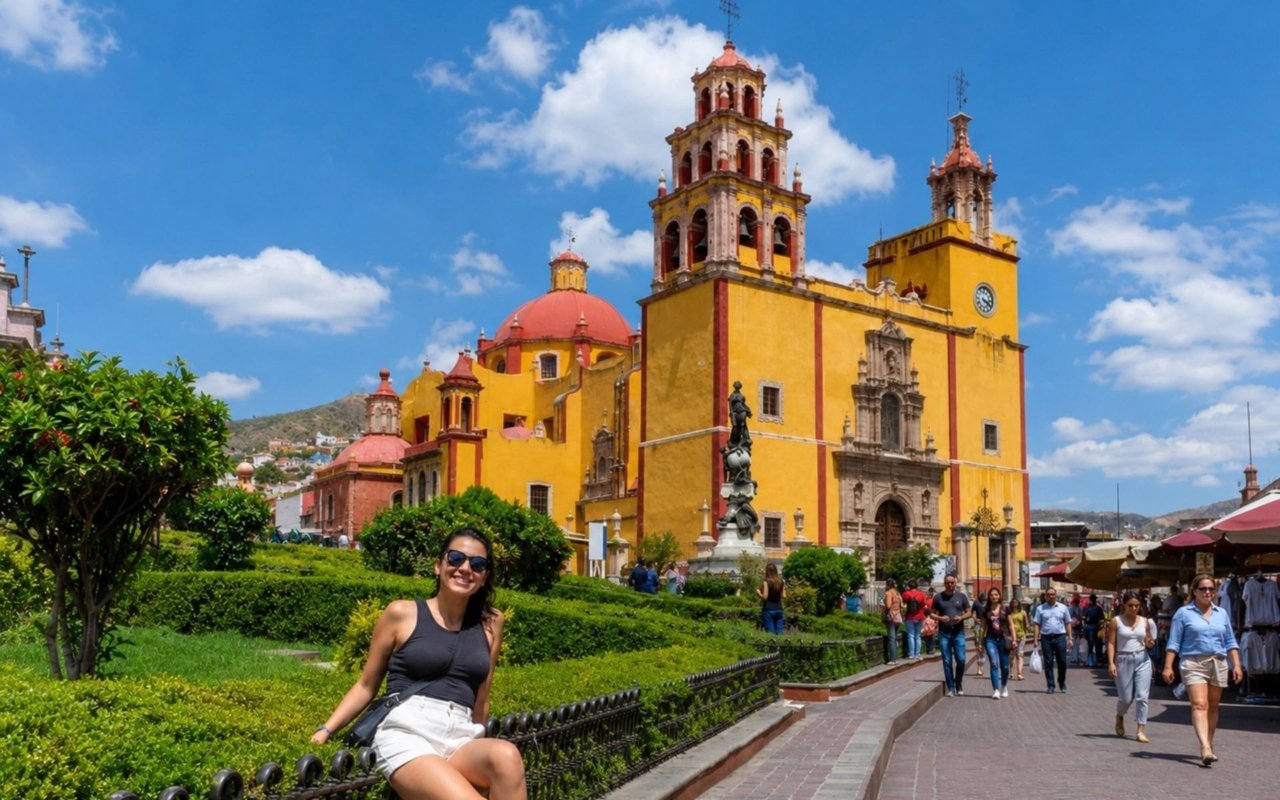
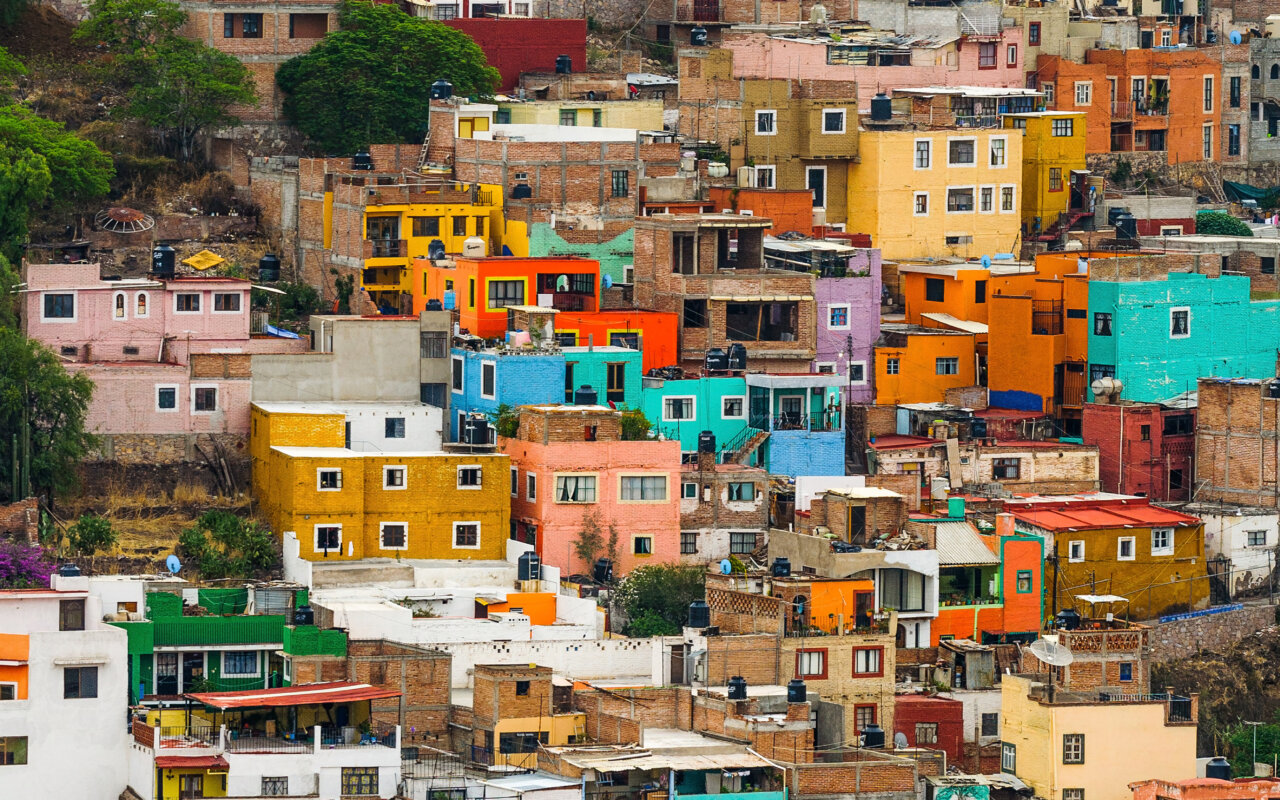
- Cervantino Festival (October): Guanajuato hosts one of Latin America’s major cultural festivals.
In autumn, León also hosts a hot air balloon festival: read our article on the León hot air balloon festival.

High or low season: how does it affect crowds and budget?
The international high season runs from mid-December to April, when the weather is most favorable. Demand peaks as North American and European travelers take their holidays.
Mexican school holidays add domestic peaks. For 2026-2027, the official calendar of the Ministry of Education (SEP) sets:
- winter holidays from December 21, 2026 to January 6, 2027;
- Holy Week holidays from late March to early April 2027;
- summer holidays after the school year ends on July 9, 2027.
The low season, from late April to June and from September to mid-November, offers more availability and more flexible rates. September and October remain tricky on the Caribbean coast. To estimate your costs, see our guide to the budget needed for a trip to Mexico.
Which season suits your type of trip?
The right season also depends on what you are looking for. This table matches each profile with a period and an example tour that can be fully customized.
| Profile | Recommended period | Why | Example tour |
|---|---|---|---|
| First trip (Mexico City, Oaxaca, Yucatán) | November to March | Dry season in all three regions | Mexico, Oaxaca and Yucatán tour |
| Family trip | February or Easter holidays | Dry weather, still moderate heat in Yucatán | 2-week family tour of Mexico |
| Honeymoon and beach | December to April | Warm sea (26 to 27 °C) and less sargassum | Wonders of Mexico: honeymoon tour |
| Self-drive tour | November to April | Dry roads, bearable heat for visits | On the roads of Yucatán |
| Marine wildlife | Mid-February to mid-March | Peak gray whale season in Baja California | Baja California Sur, the world’s aquarium |
| Culture and nature in the south | November to April | End of the rains in Chiapas, safer mountain roads | Treasures of Chiapas and Yucatán |
| Budget and quiet | Late April to June, September to mid-November | Low season, outside Mexican holidays | Itinerary adapted to the region |
Late October and early November combine the Day of the Dead with the end of the rains in central Mexico. The Caribbean coast can still see cyclone activity until November 30.
Common mistakes and exceptions
- Thinking at country level. The same month can be dry in La Paz and rainy in Cancún. Choose your period region by region.
- Confusing the rainy season with constant bad weather. In central Mexico, showers fall mostly in the afternoon. Mornings usually allow normal sightseeing.
- Underestimating the cold at altitude. January nights drop to around 5 °C in San Cristóbal. Pack a warm layer, and check our health tips for Mexico.
- Booking late for Holy Week or the year-end holidays. These periods combine international travelers and Mexican vacationers.
- Planning a summer beach stay without checking sargassum. Talking with the agency before booking helps adjust the accommodation.
- Forgetting the May heat in Yucatán. With average highs above 36 °C in Mérida, visits are best planned early in the morning.
Limits of these benchmarks
Climate normals are 30-year averages: any given year can differ. El Niño and La Niña change cyclone activity and rainfall from one season to the next. Sanctuary openings and wildlife watching seasons are set each year by the authorities.
Frequently asked questions about the best time to visit Mexico
What is the best month to visit Mexico?
February is the safest month across the country: it is the only one when Mexico City, Cancún, Mérida, Oaxaca, San Cristóbal and La Paz all get less than 45 mm of rain. It also coincides with monarch butterflies and gray whales.
Can you visit Mexico in July or August?
Yes. Rain falls mostly late in the day in central and southern Mexico. Summer is the time to see whale sharks in Holbox and the Guelaguetza in Oaxaca. Expect humid heat and check sargassum on the Caribbean coast.
When should you avoid visiting Mexico?
September and October are the least favorable months on the Caribbean coast: Cancún receives more than 220 mm of rain a month, at the peak of hurricane season. These months suit Mexico City and the colonial cities better.
When is the rainy season in Mexico?
The rainy season runs from June to September in most of the country, and until October on the Caribbean coast. In Chiapas, it starts in May. Baja California stays arid, with rain mostly in August and September.
When is the best time to visit Yucatán and the Riviera Maya?
From November to April. Temperatures stay close to 30 °C, rain is light and sargassum is less present. Avoid May for the inland heat, and September-October for rain and cyclones.
When can you see monarch butterflies in Mexico?
The sanctuaries in Michoacán and the State of Mexico open from mid-November to late March. For the 2026-2027 season, the opening is announced for November 20. February and March are the months when colonies are most active.
When can you see whales in Mexico?
Gray whales visit the lagoons of Baja California Sur from December 15 to April, with a peak from mid-February to mid-March. Whale sharks can be seen in Holbox and Isla Mujeres from mid-May to mid-September.
Is Mexico cold in winter?
Not on the coasts: Cancún averages a high of 28.5 °C in January. At altitude, nights are cool, at 8.5 °C in Mexico City and 5.1 °C in San Cristóbal de las Casas. A warm jacket is needed for central Mexico and Chiapas.
Sources
- Servicio Meteorológico Nacional (SMN, CONAGUA), 1991-2020 climate normals (Mexico City, Cancún, Oaxaca, San Cristóbal de las Casas, La Paz) and 1951-2010 (Mérida).
- NOAA, Climate Prediction Center, 2026 Atlantic Hurricane Season Outlook, May 2026.
- SEMARNAT and CONANP, notice on the 2026-2027 whale watching season, Diario Oficial de la Federación.
- CONANP, Monarch Butterfly Biosphere Reserve, 2026-2027 wintering season.
- Red de Monitoreo del Sargazo de Quintana Roo, 2026 monitoring reports.
- UNESCO, Indigenous festivity dedicated to the dead, Intangible Cultural Heritage, 2008.
- Secretaría de Educación Pública (SEP), 2026-2027 school calendar, Diario Oficial de la Federación, July 2026.
Last updated: November 24, 2026.
About Terra Maya
Terra Maya is a local travel agency founded in 2006 and based in Mérida, Yucatán. A member of the Terra Panamerica network, its French-Mexican team designs tailor-made trips throughout Mexico.
Written by Adelind Chambrier, general manager of Terra Maya.